Gamcheon Culture Village (감천문화마을)
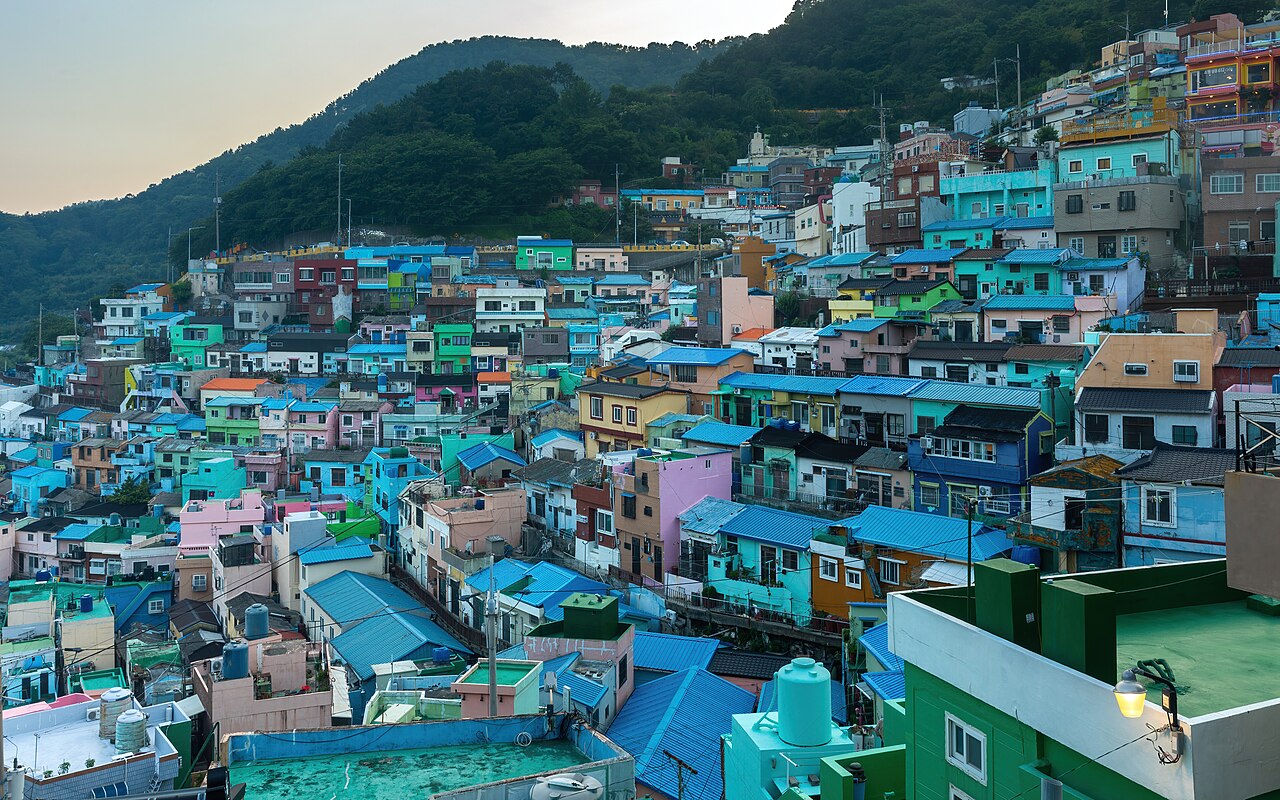
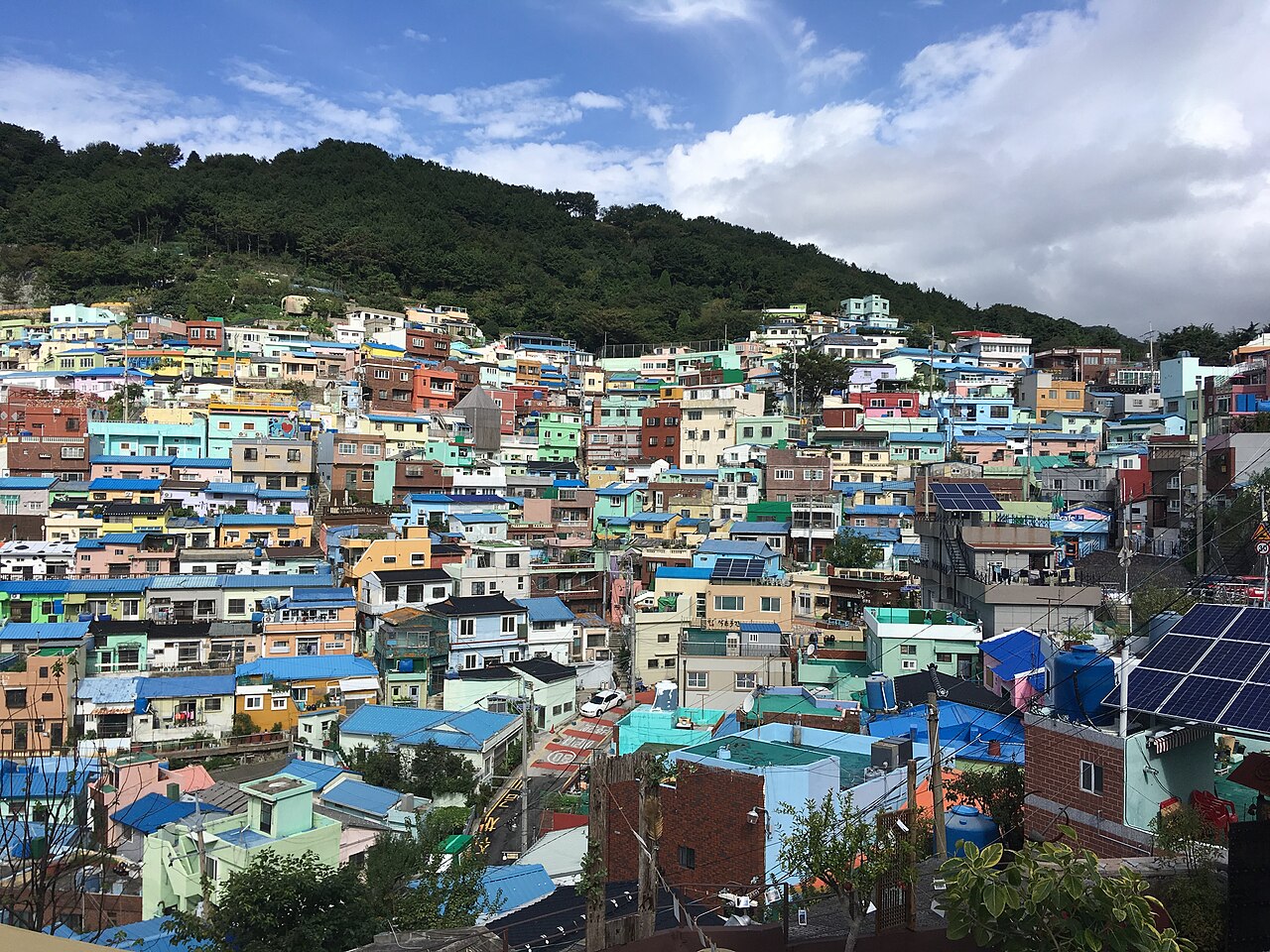
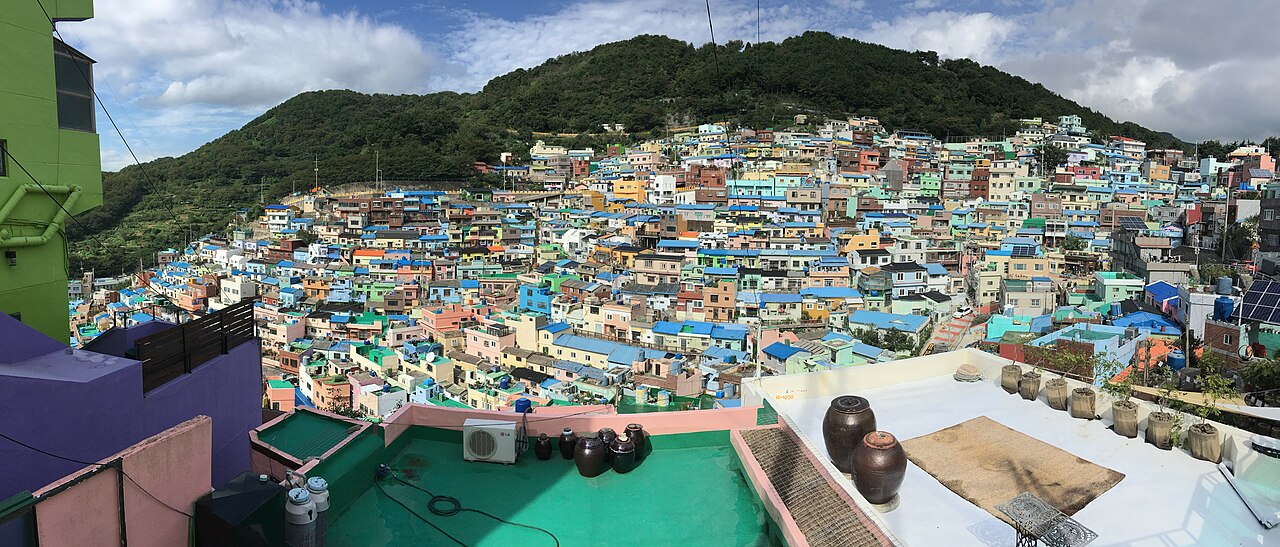
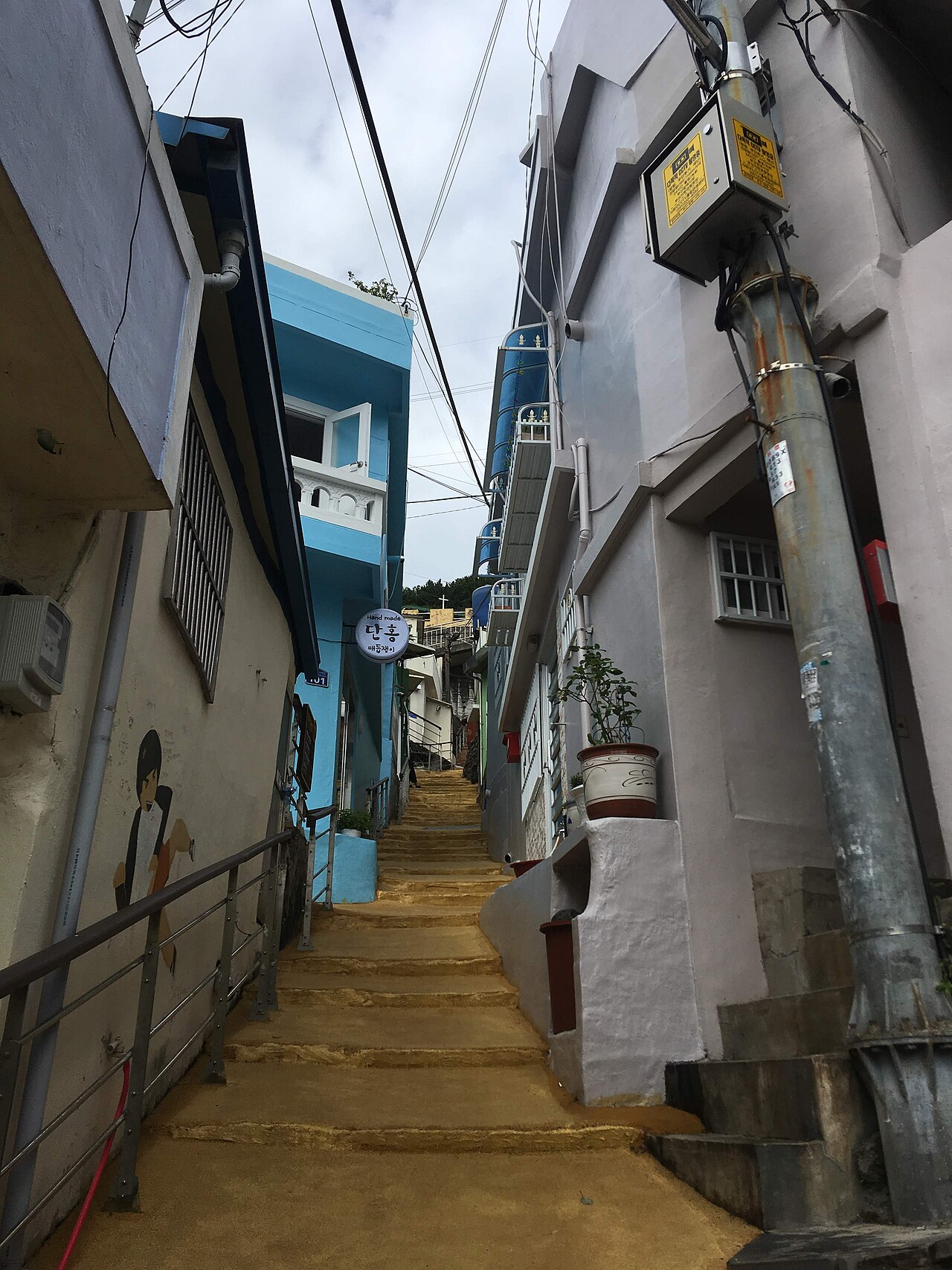
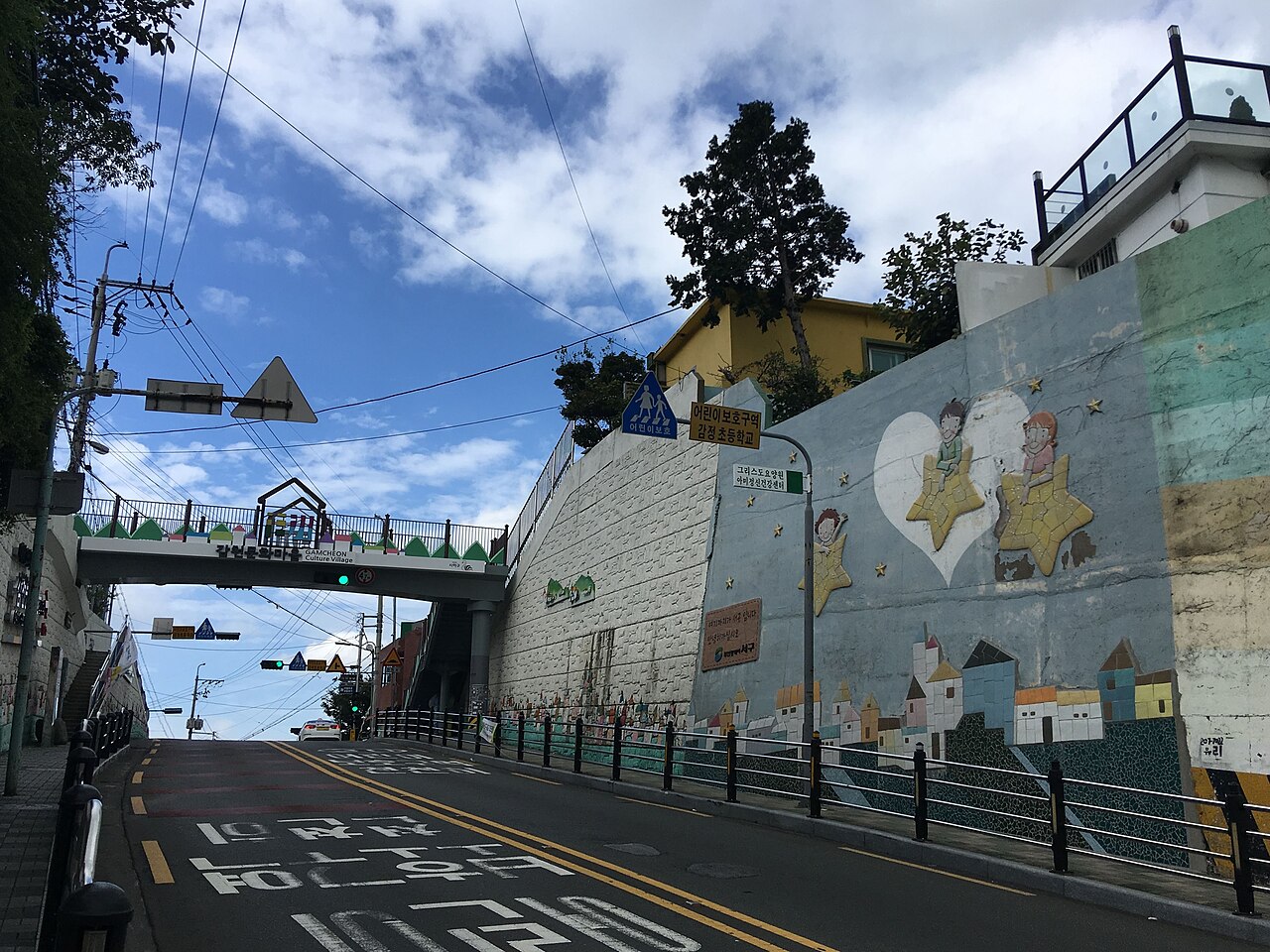
Known as the 'Santorini of Korea' or 'UN Village' due to its pastel-toned terraced houses covering the mountainside. Formed by refugees in the 1950s, the village is filled with murals and sculptures like the Little Prince, making it an ideal spot for family and group photos.
Haeundae Beach (해운대해수욕장)
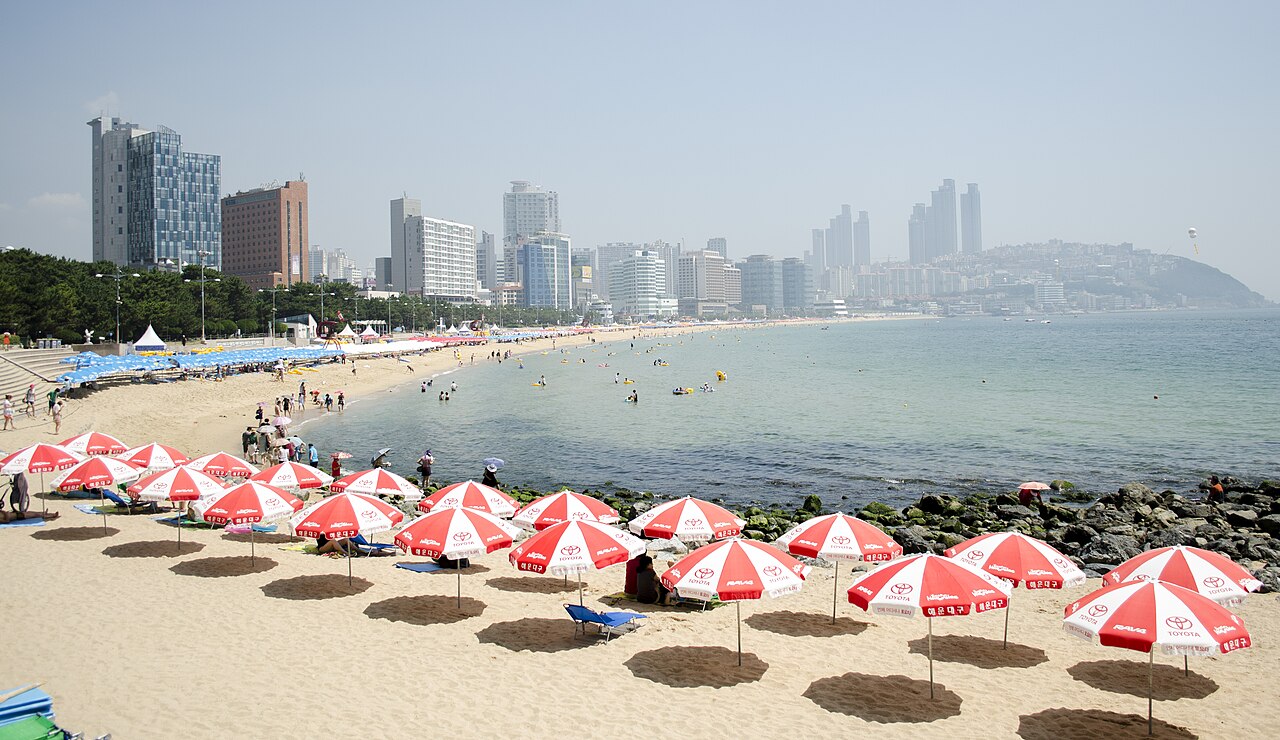
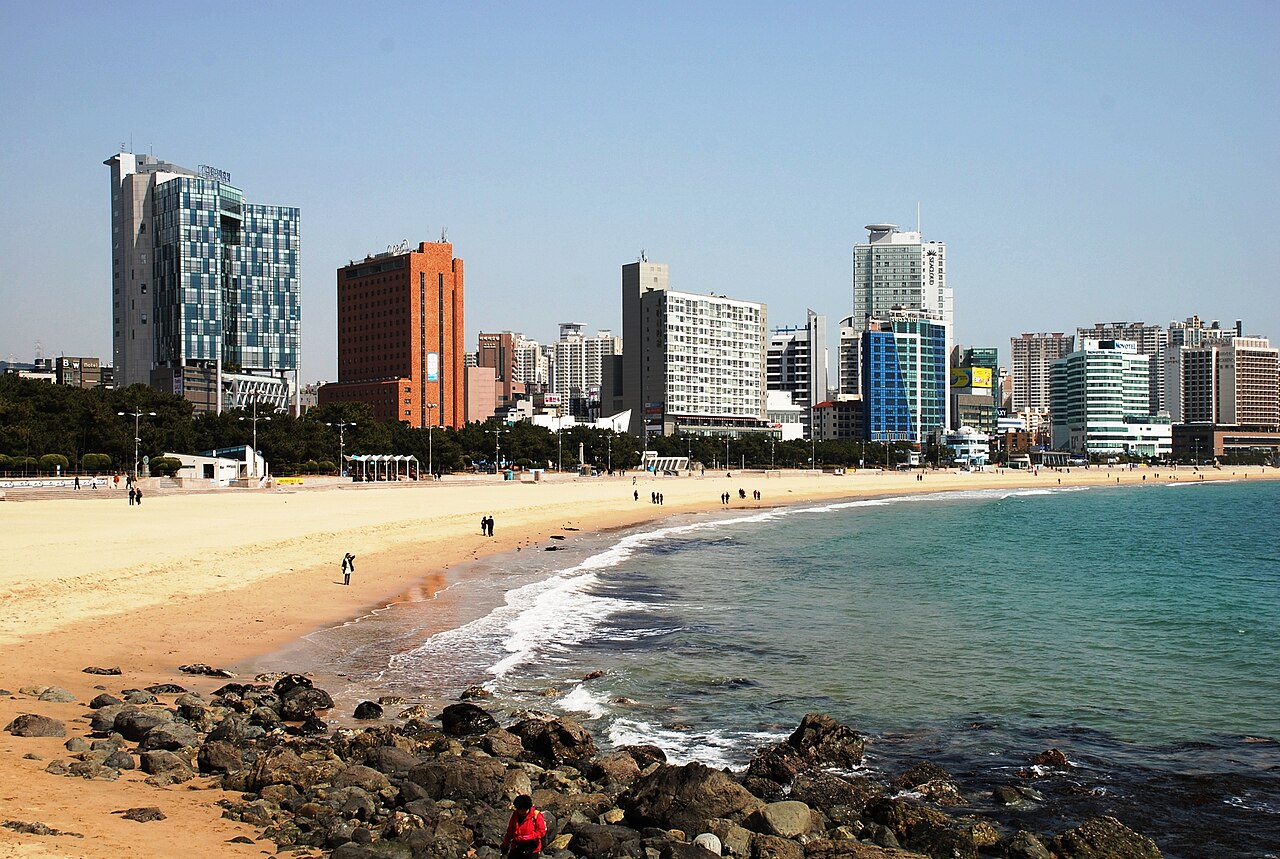
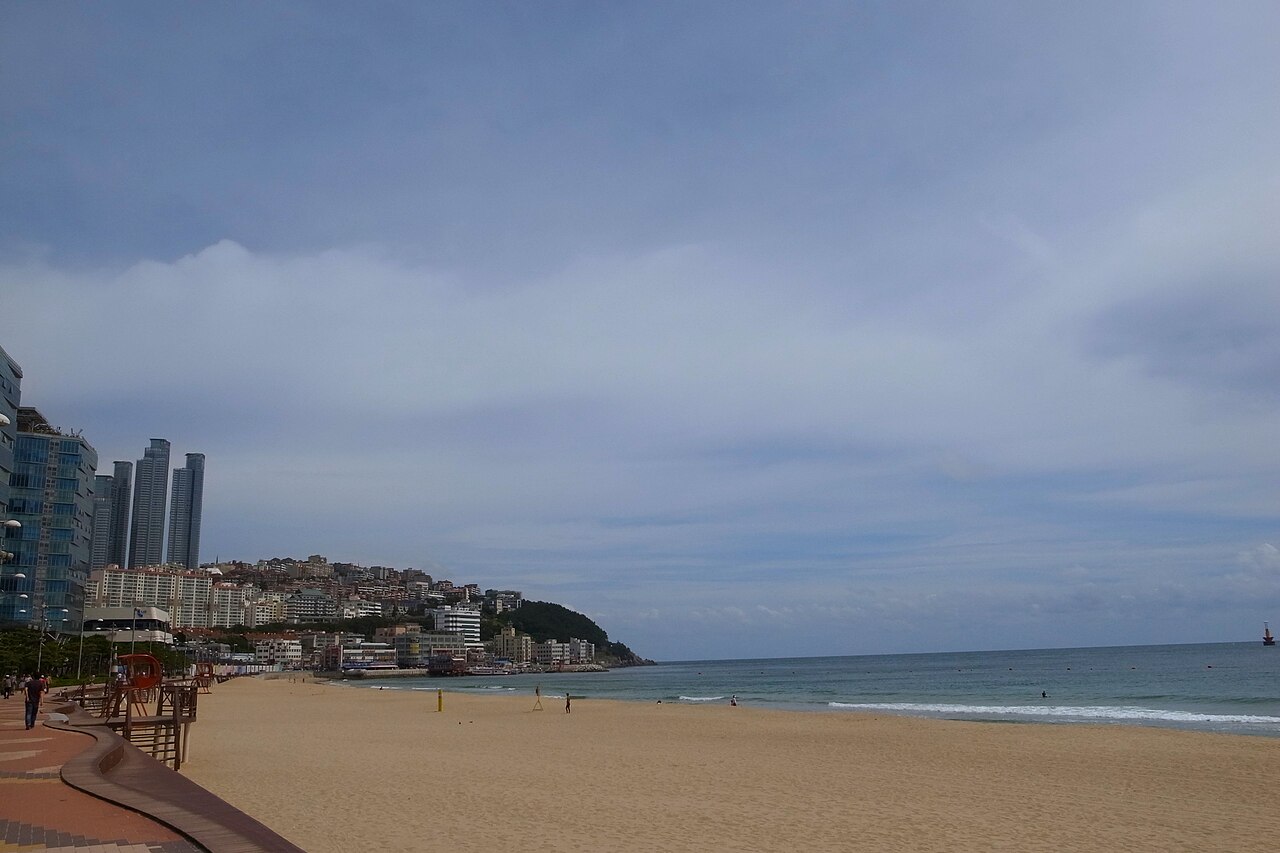
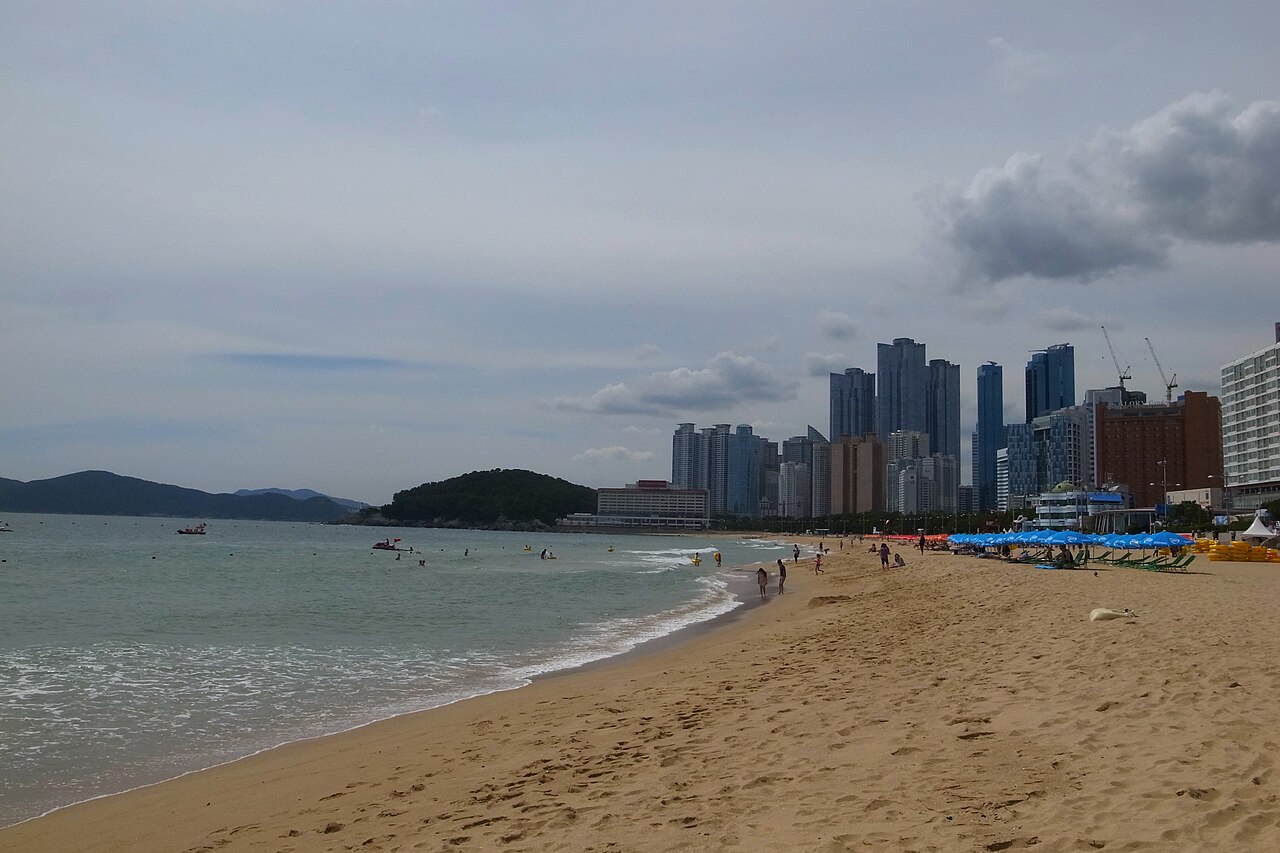
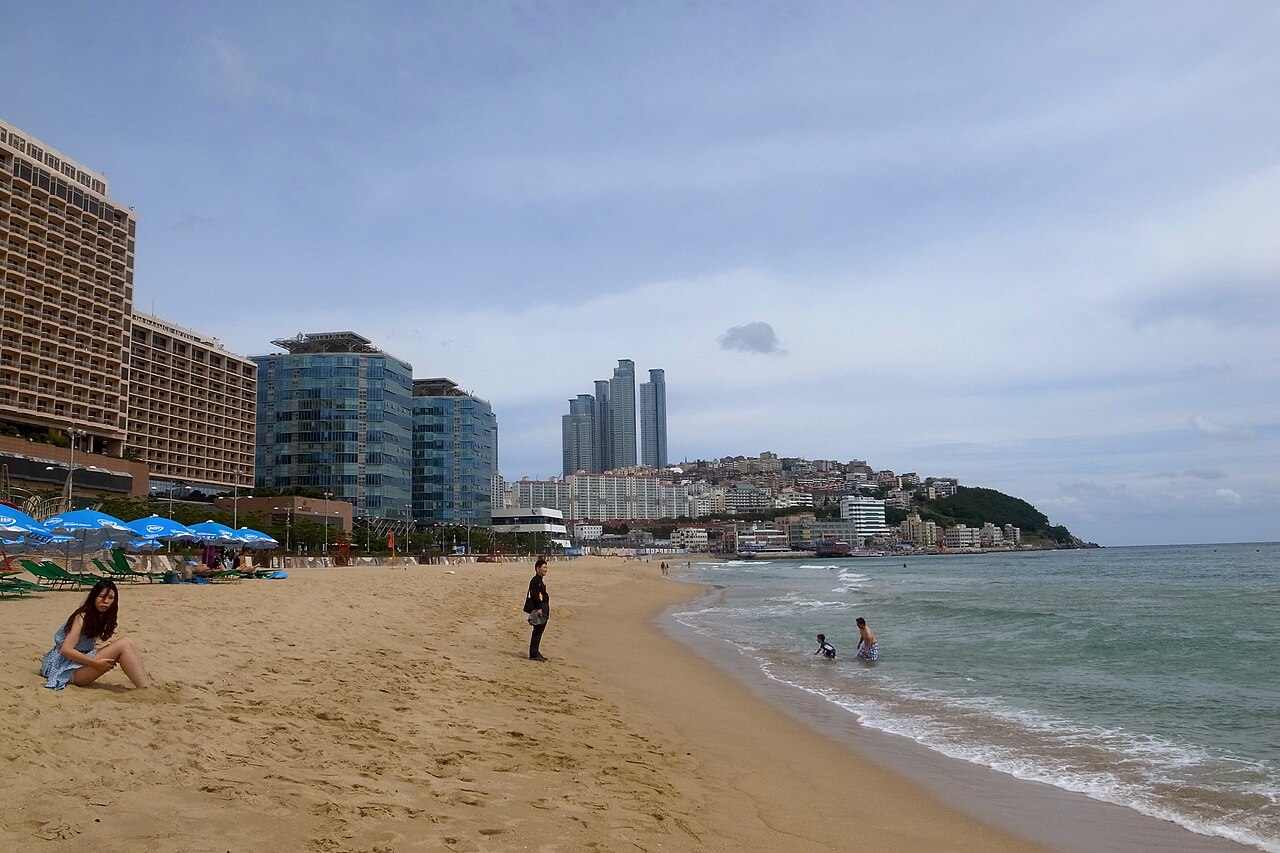
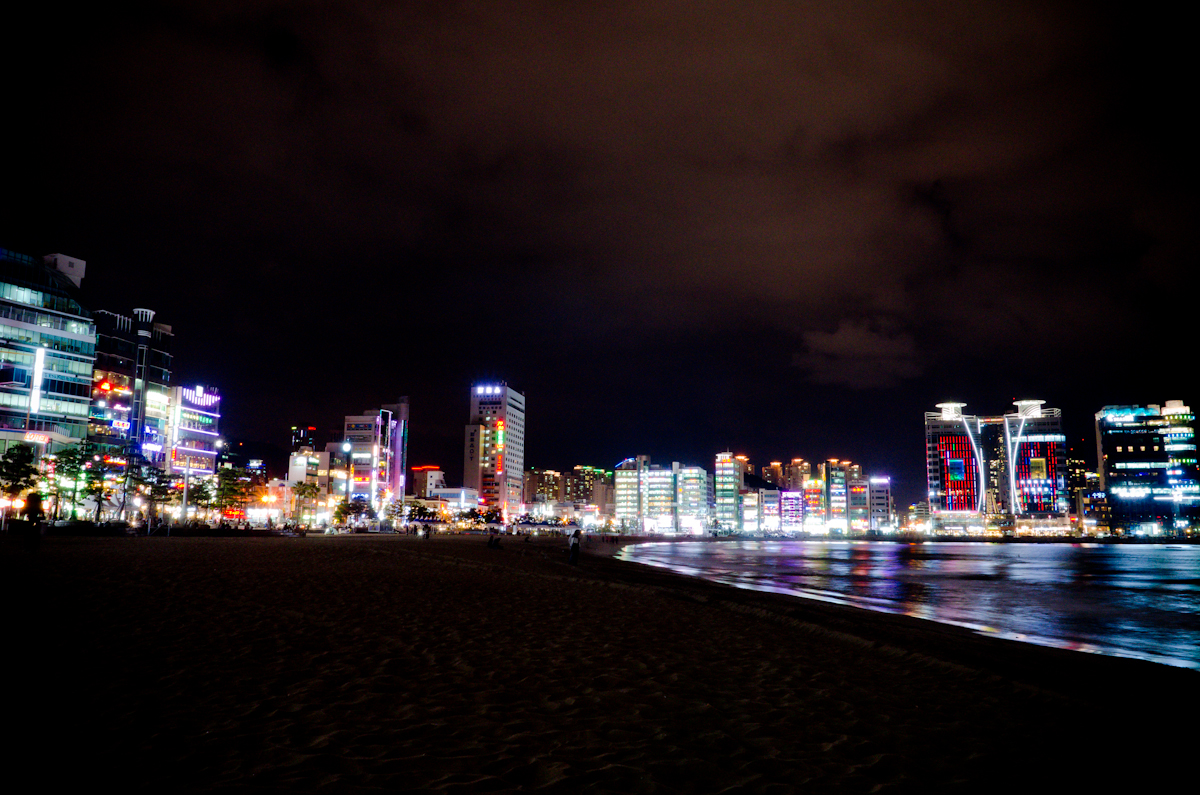
Busan's premier beach, featuring a 1.5km wide sandy shore and shallow waters, making it Korea's representative summer vacation spot. Famous for the night views of high-rise hotels and cafes along the shore and the annual Busan Fireworks Festival, it is a destination visited by many in all seasons.
Cloud Bam Cafe (클라우드밤 카페)
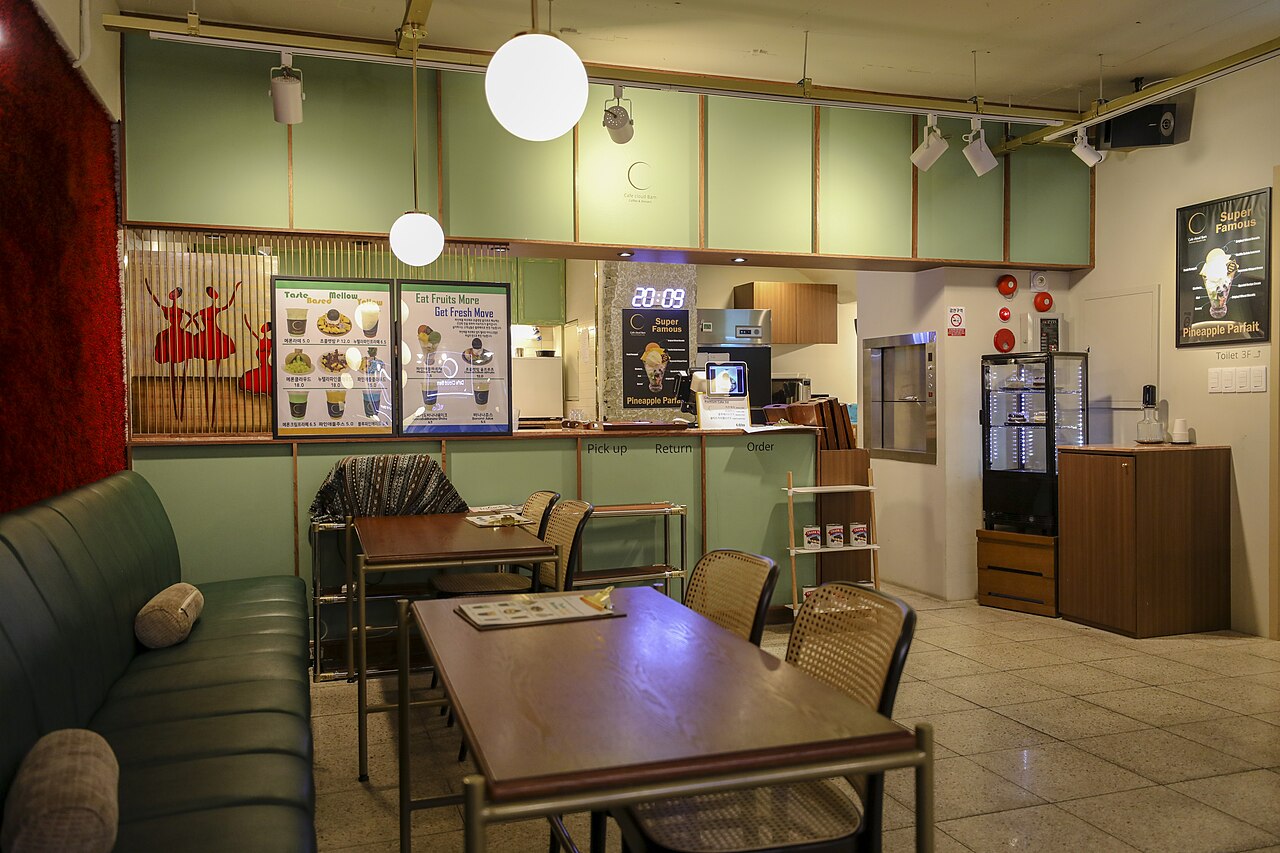
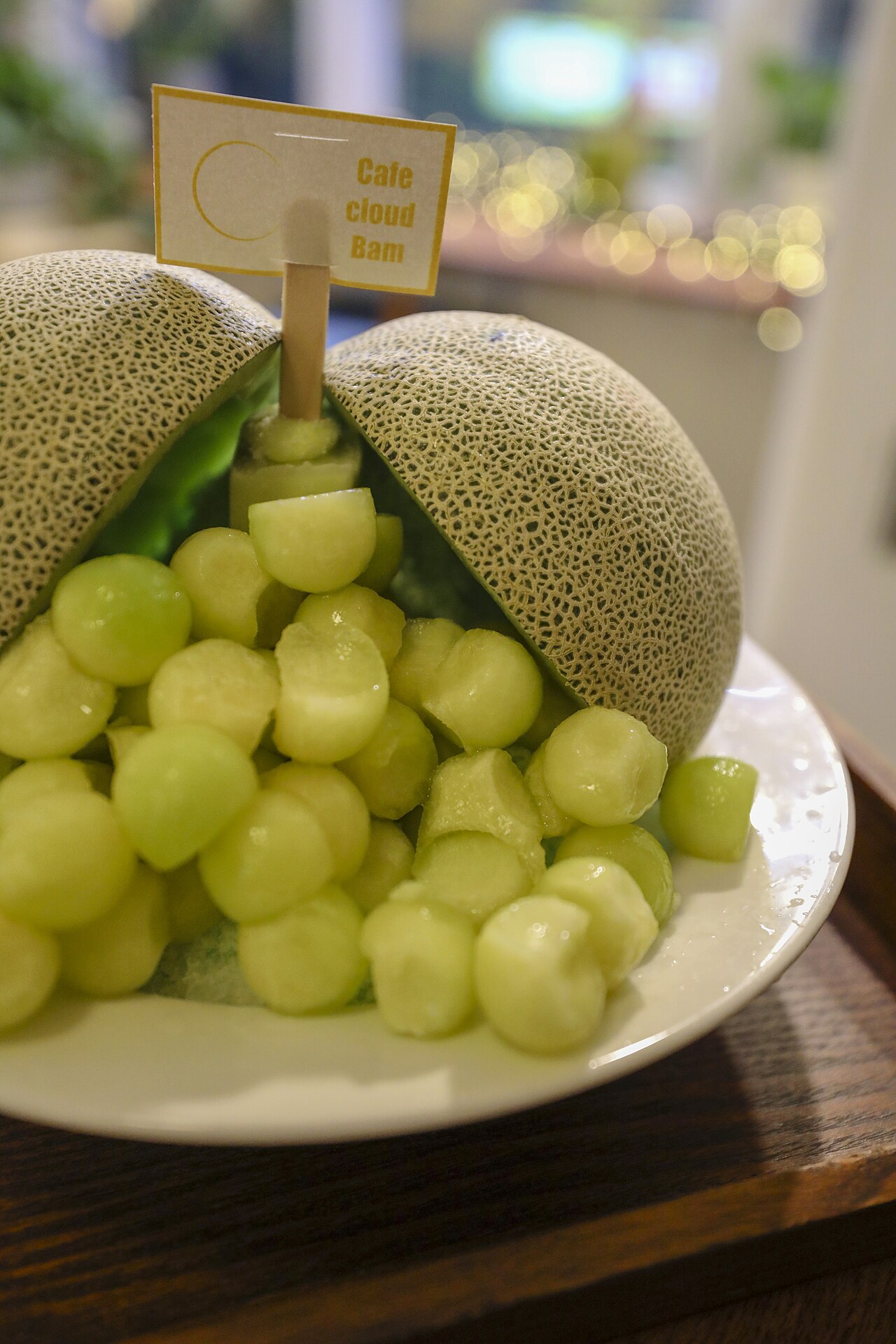
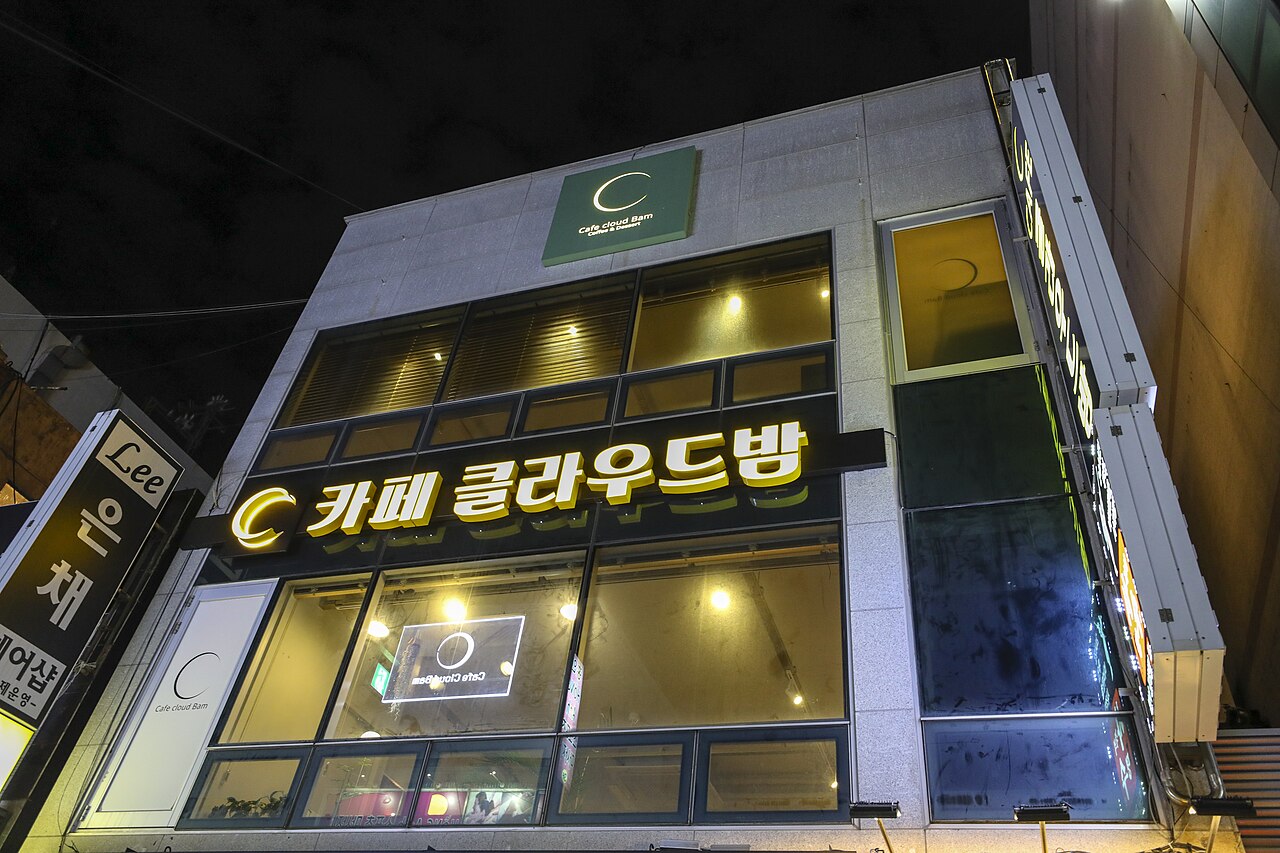
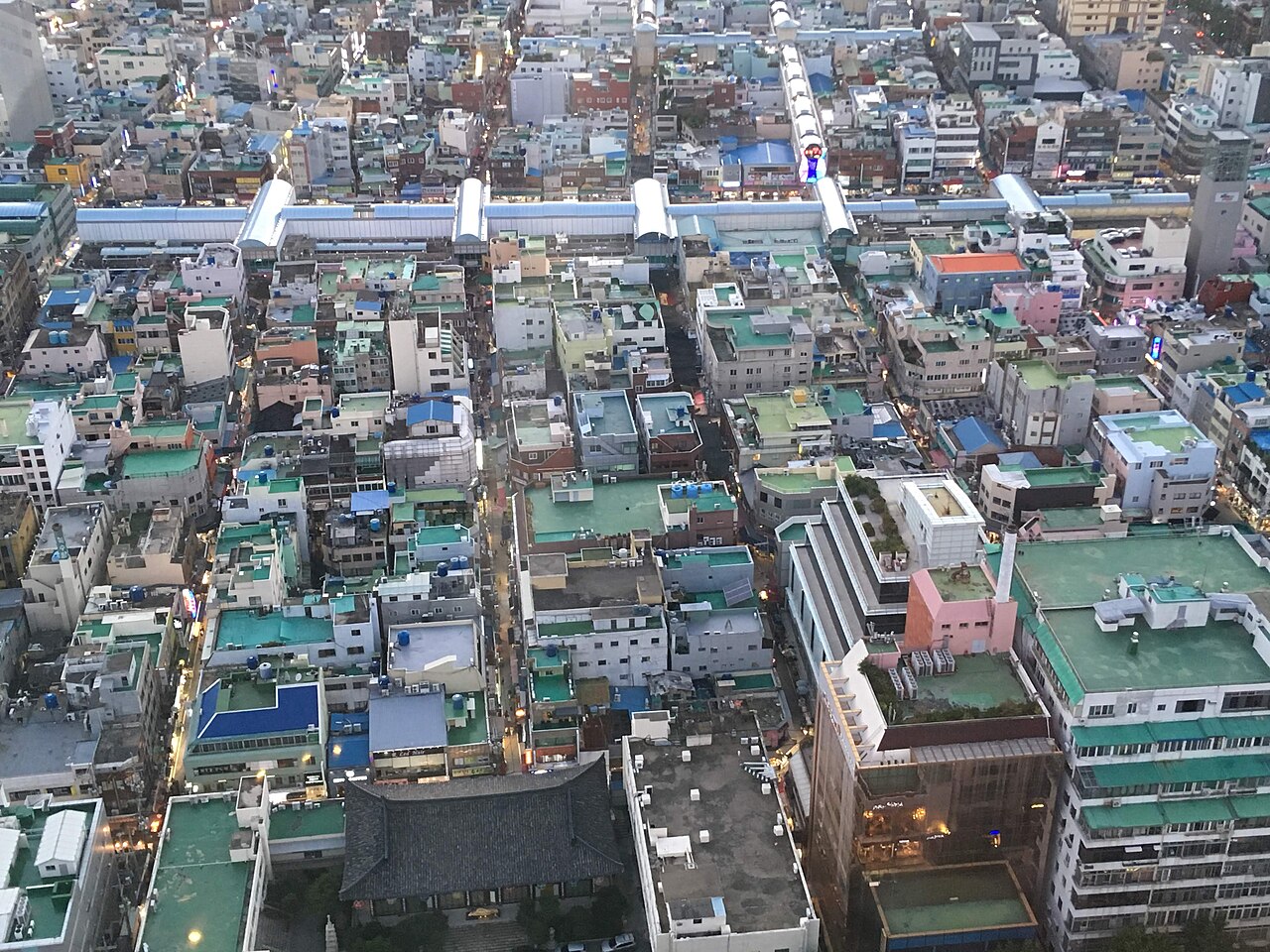
A dessert cafe located in the heart of the Nampo-dong shopping district, just a 1-minute walk from Jagalchi Station, popular for its signature melon bingsu. Its location naturally connects to Jagalchi Market, making it a good break course to cool off before or after exploring the market.
Jagalchi Market (자갈치시장)
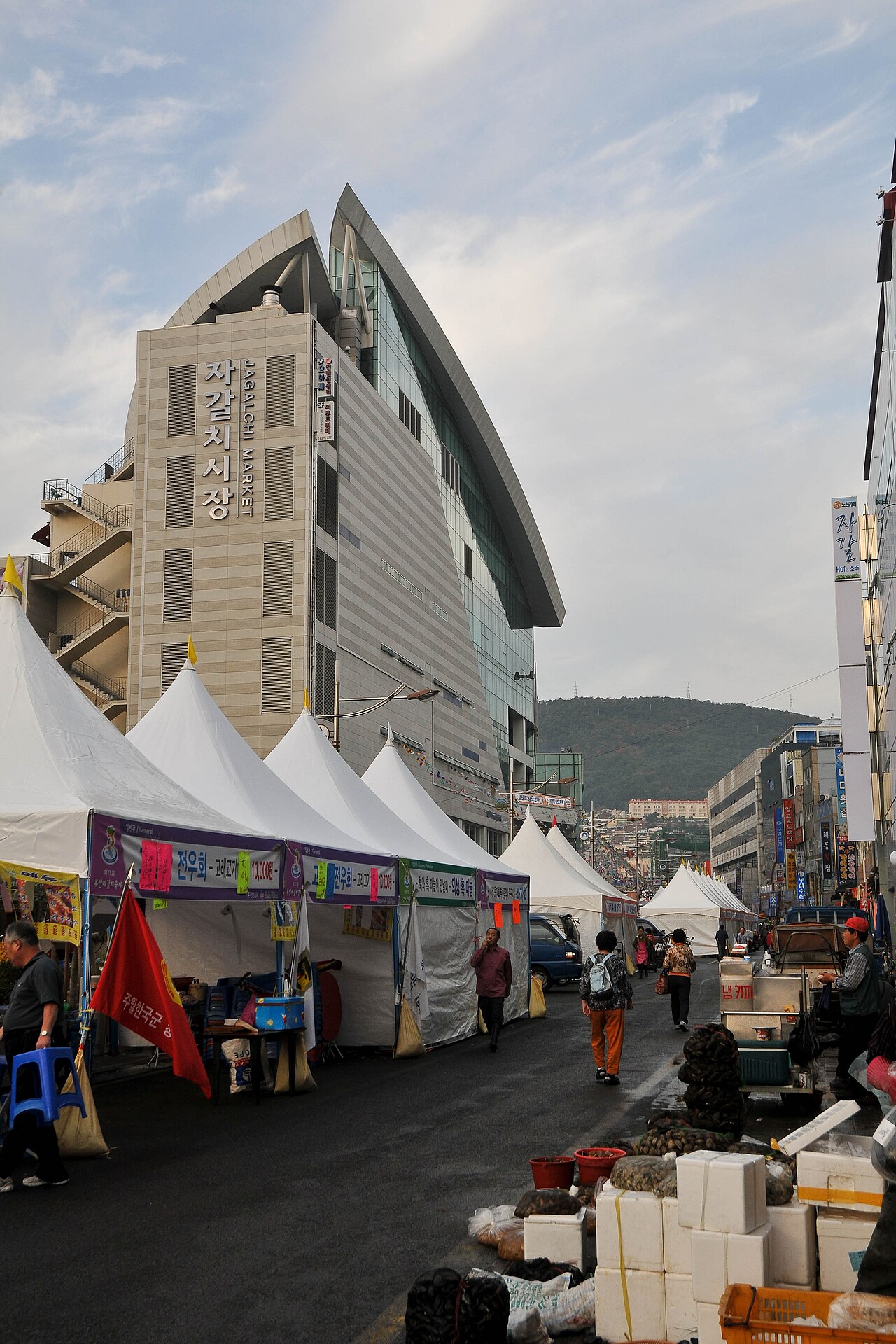
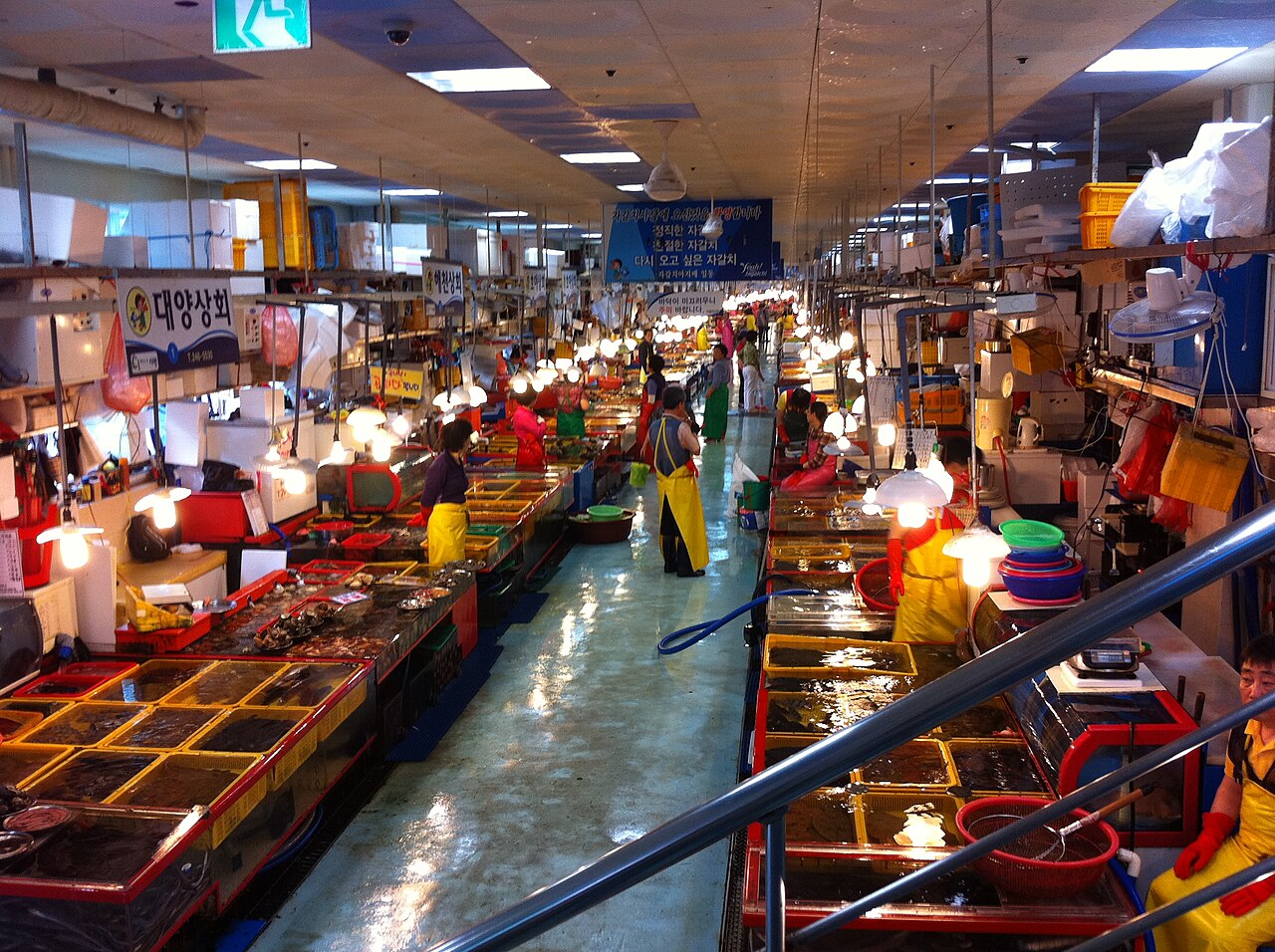
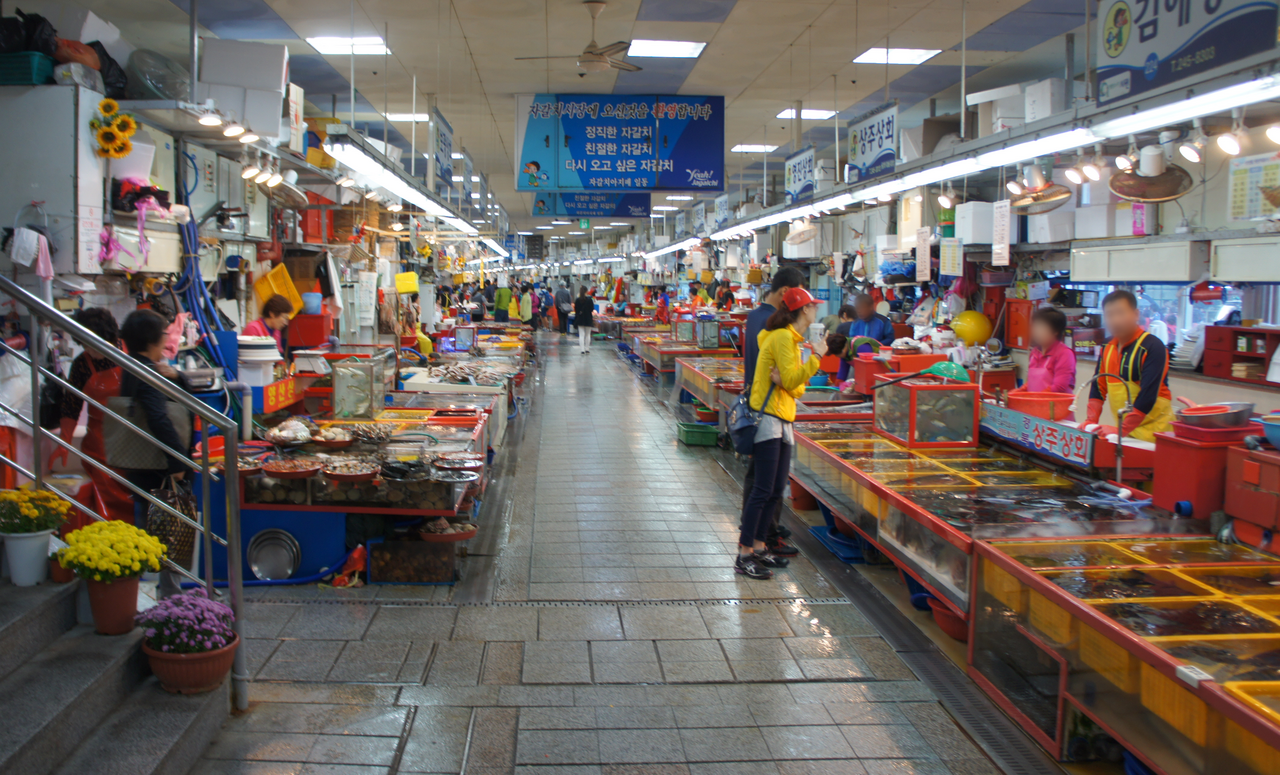
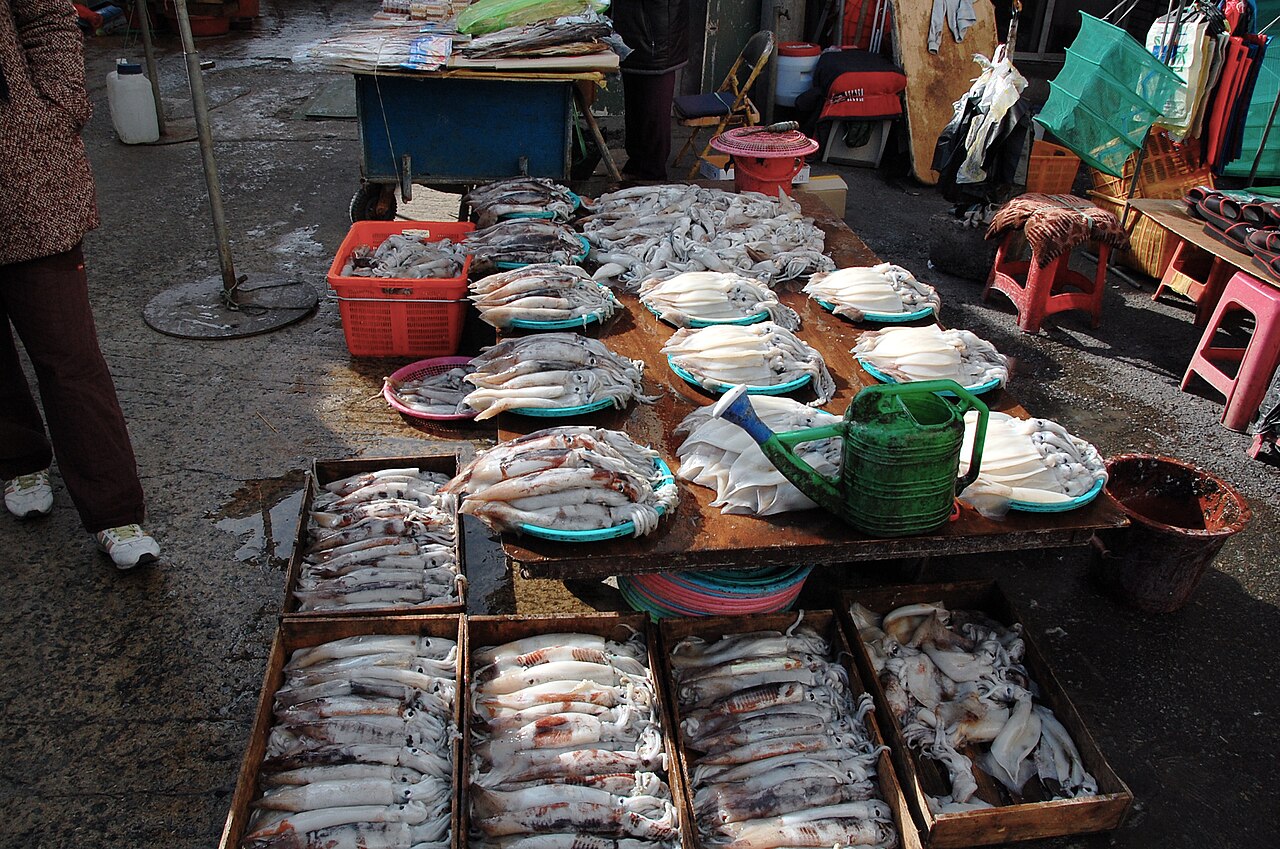
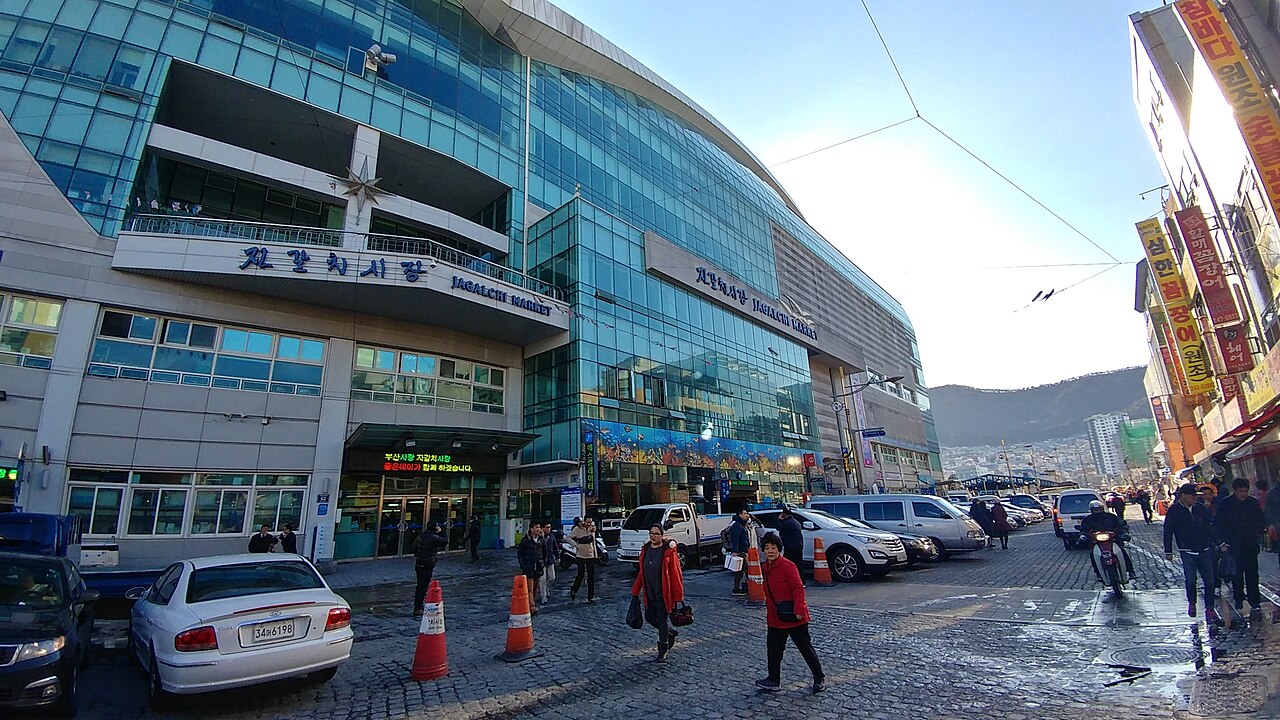
Busan's largest seafood market, symbolized by the nickname 'Jagalchi Ajimae' (aunts). It started with refugees setting up stalls during the Korean War. It is an experiential gourmet course where you can pick fresh fish on the 1st floor and eat it immediately at the 2nd-floor raw fish center, an essential visit when in Busan.
Samjin Amook Main Store (삼진어묵 본점)
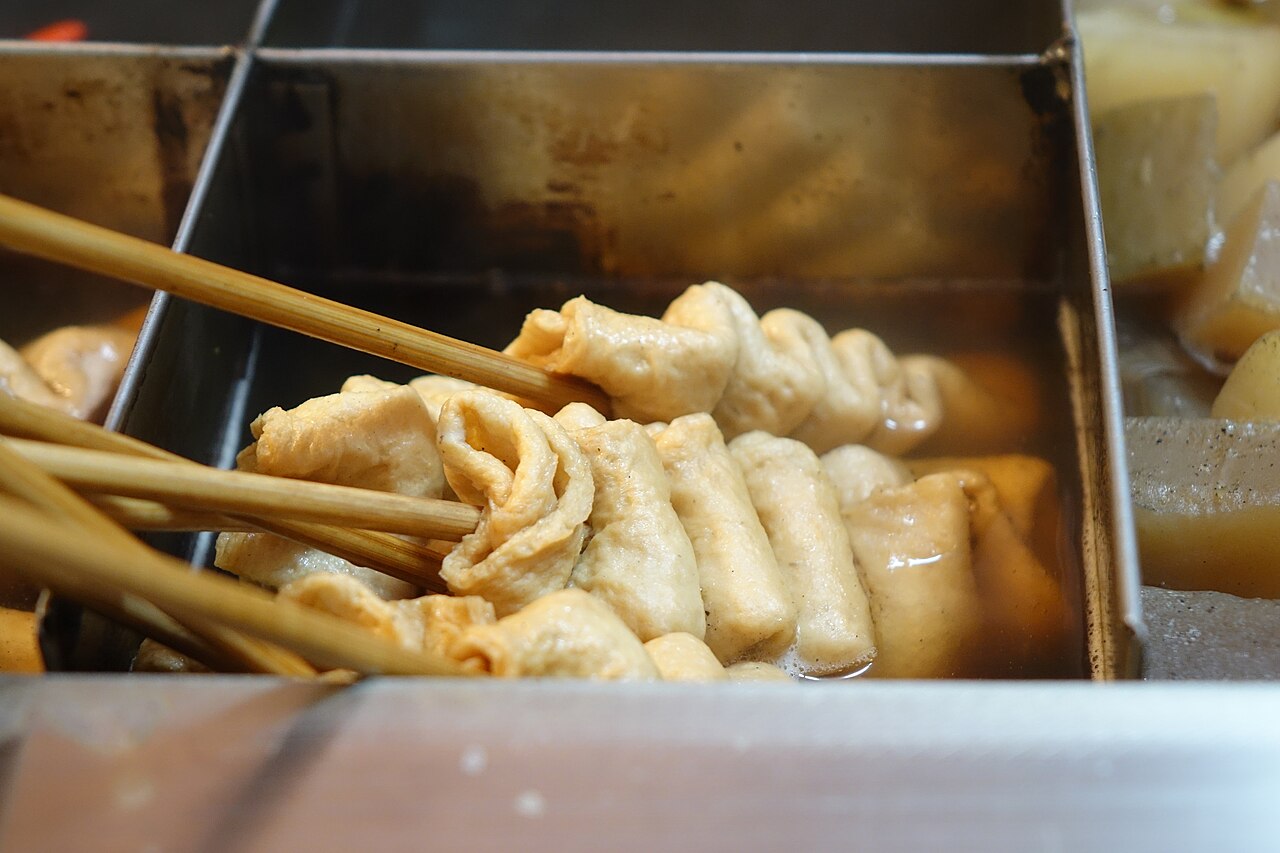
Busan's oldest fish cake specialty store founded in 1953. The Yeongdo main store offers a sales floor on the 1st floor and a production line tour on the 2nd floor. With over 30 types of fish cakes, including croquette and cheese types available for tasting and purchase, it is a popular stop for group tours.
Jeonpo Cafe Street (전포카페거리)
An old alley once lined with hardware stores has transformed into a sophisticated cafe street selected by The New York Times as a 'Place to Go in 2017.' It is packed with emotional cafes with unique interiors and brunch restaurants, making it particularly popular with young travelers who enjoy taking photos.
Busan Chinatown (부산차이나타운)
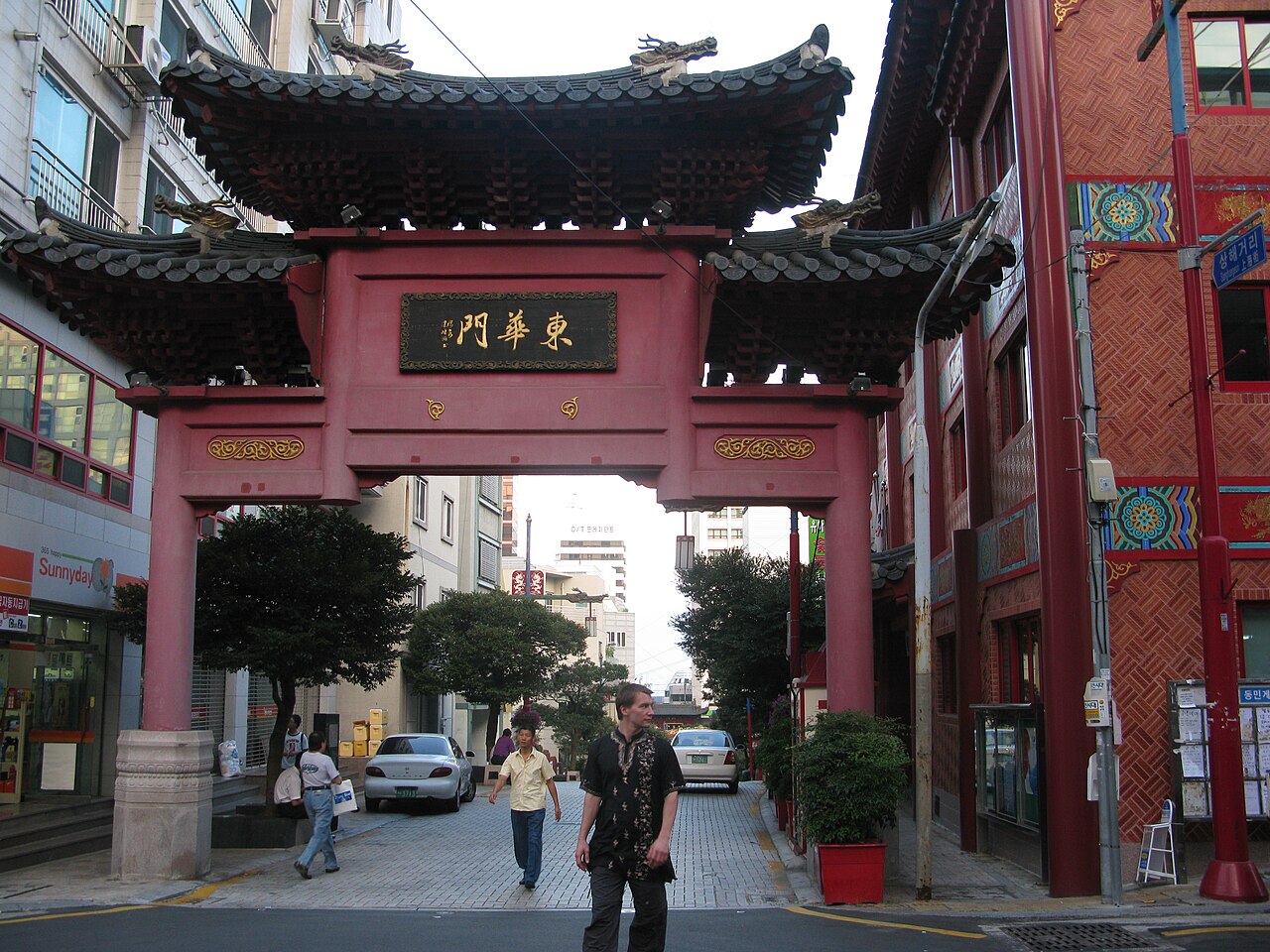
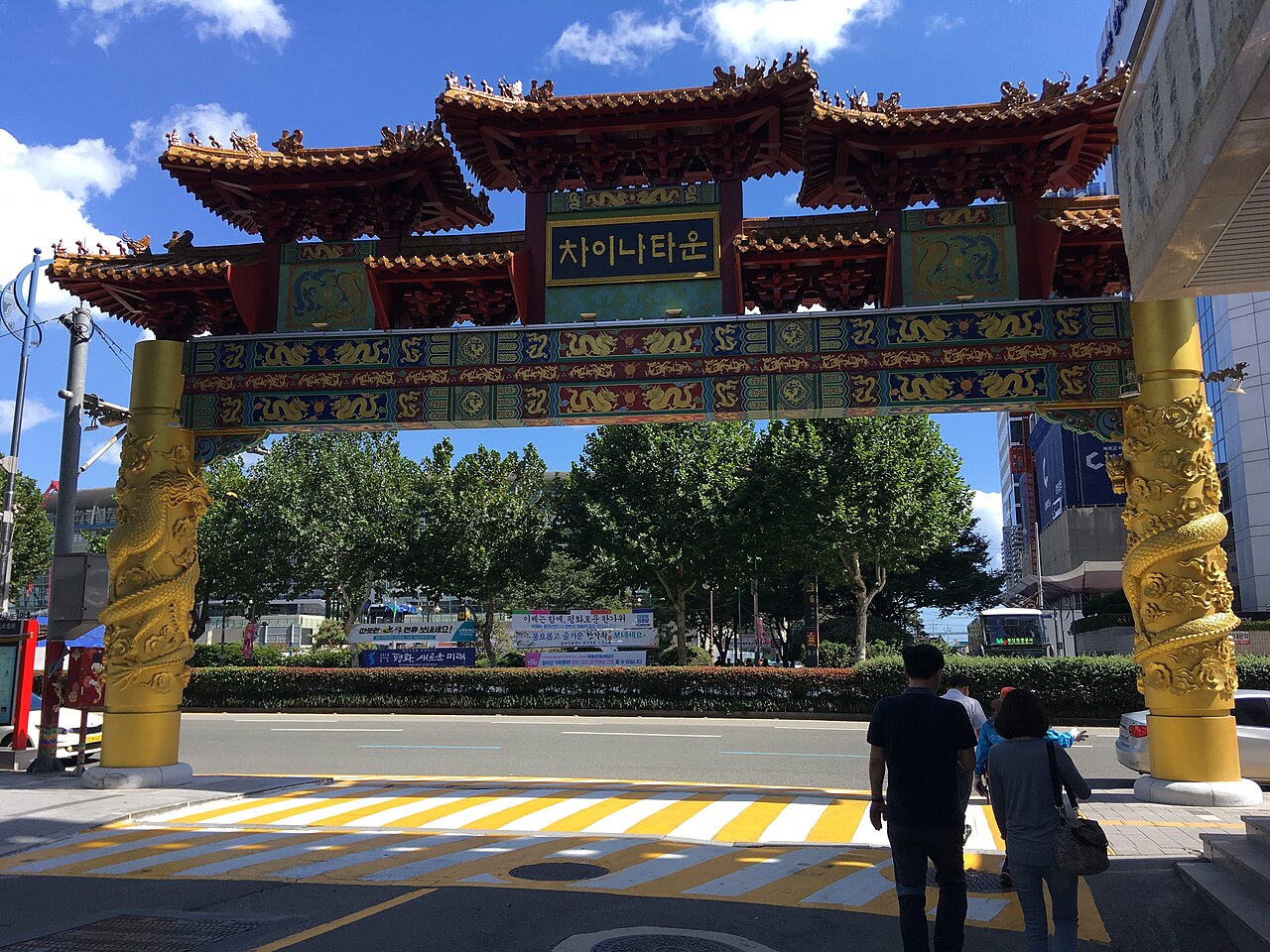
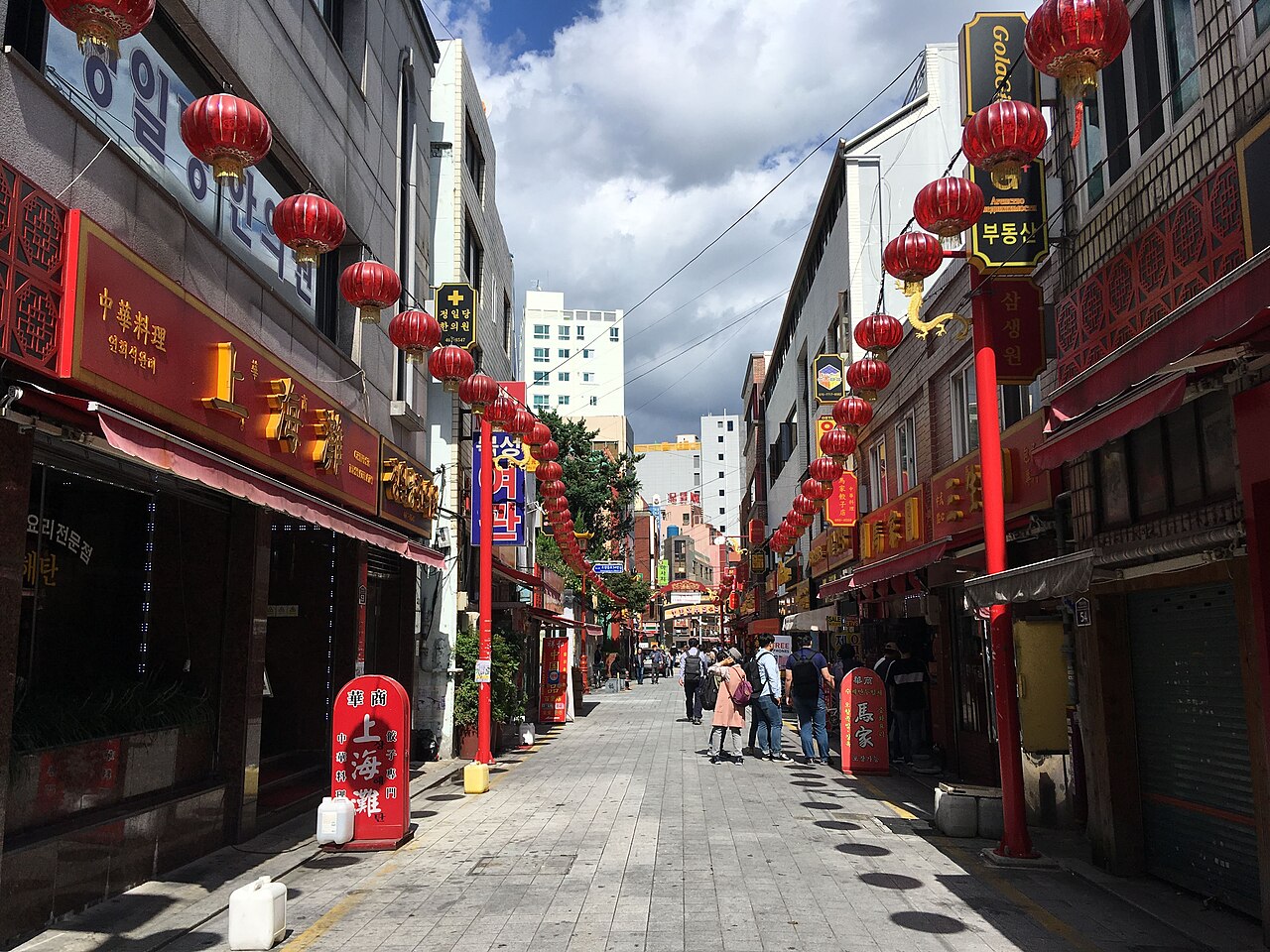
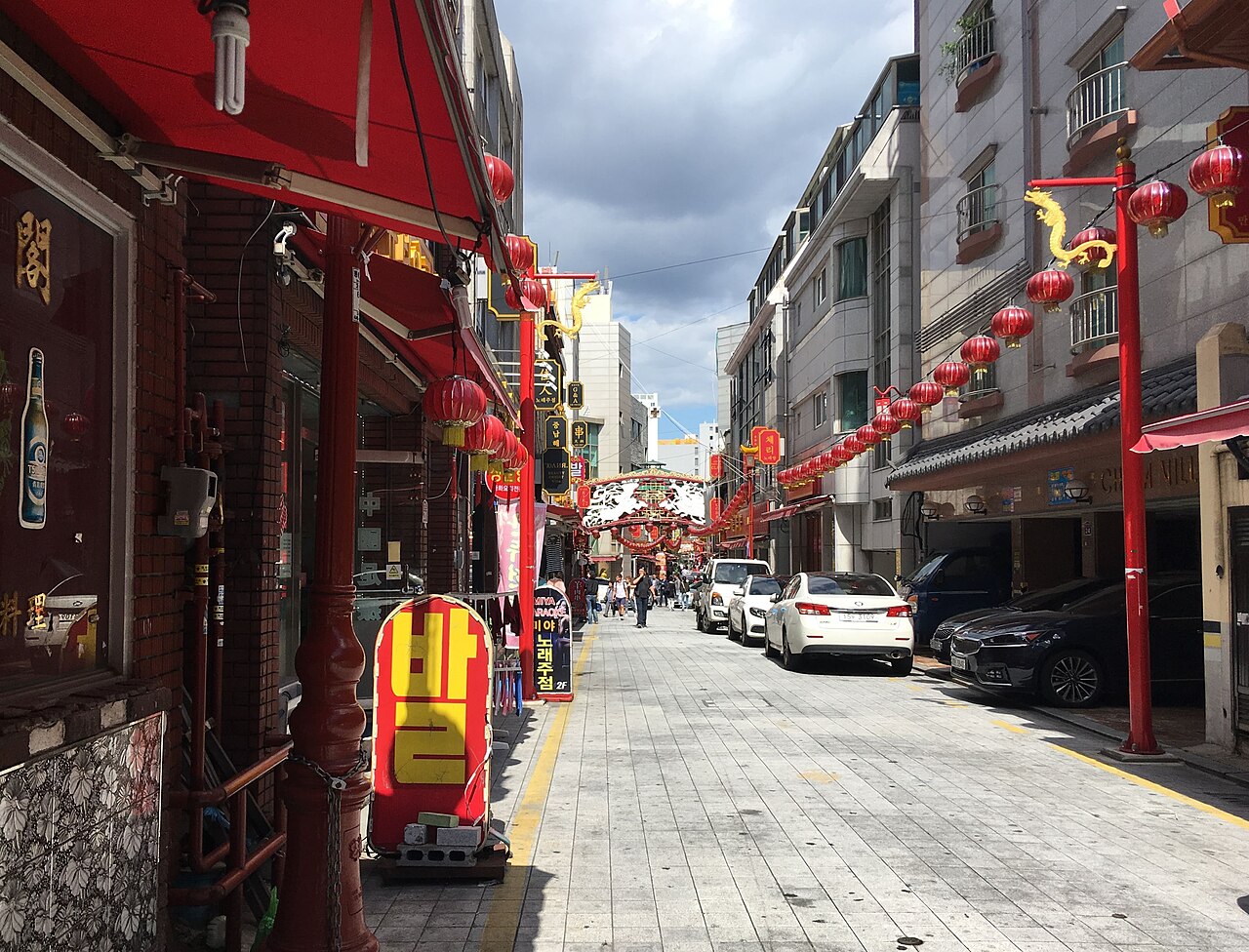
Located in Choryang-dong across from Busan Station, it was formed based on the 1884 Qing Dynasty concession and is also called 'Busan Shanghai Street.' Past the red Paeru gates, you'll find an exotic street mixing authentic Chinese restaurants with Russian and Central Asian shops, perfect for an exotic walk from the station.
Taejongdae (태종대)
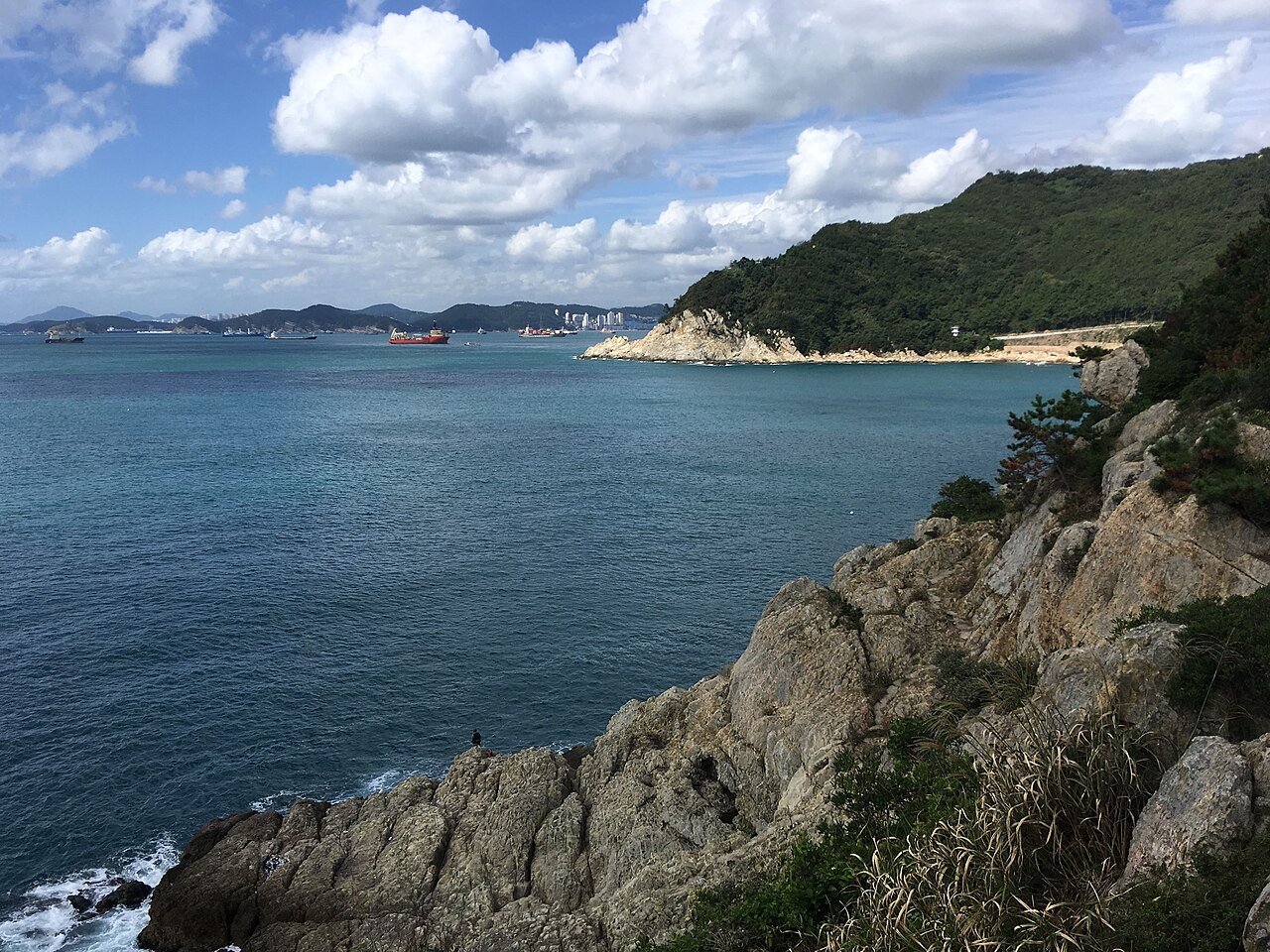
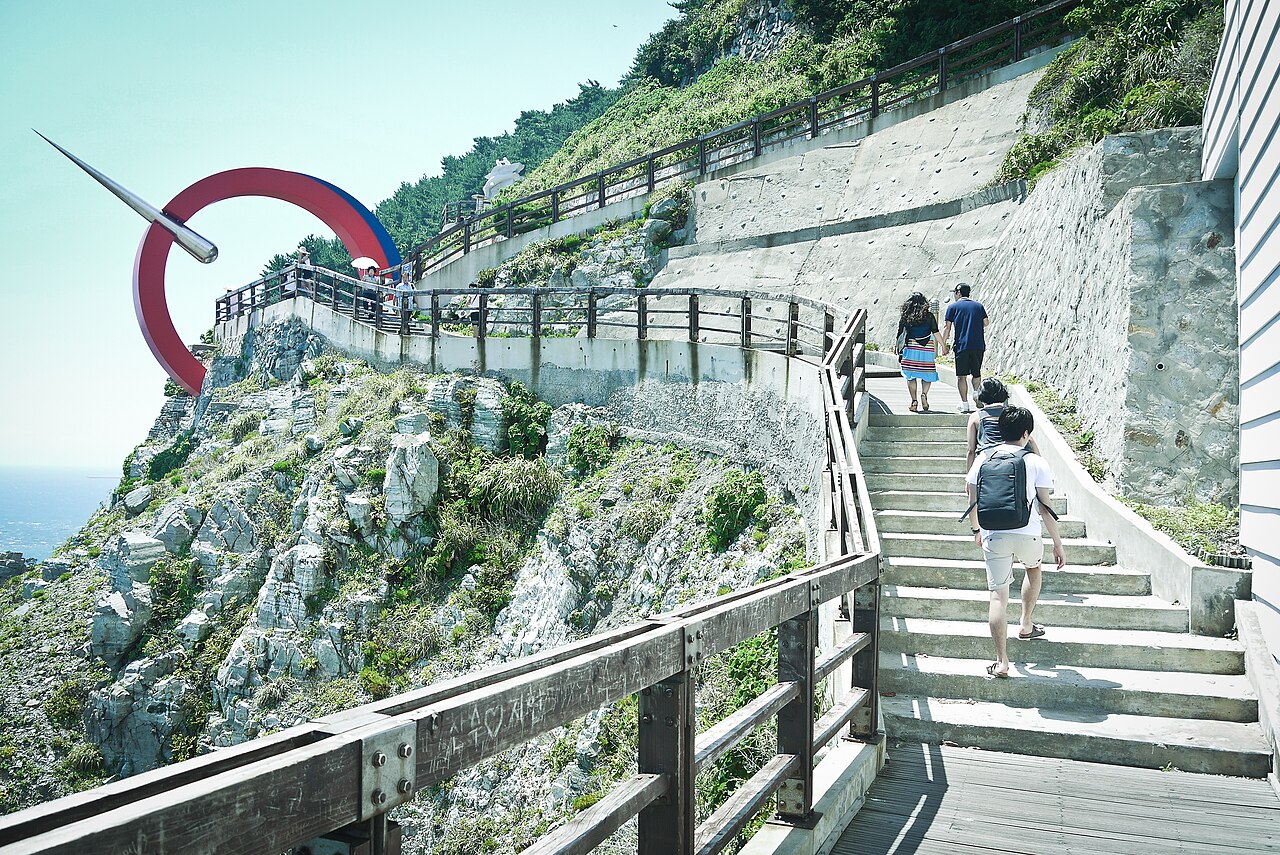
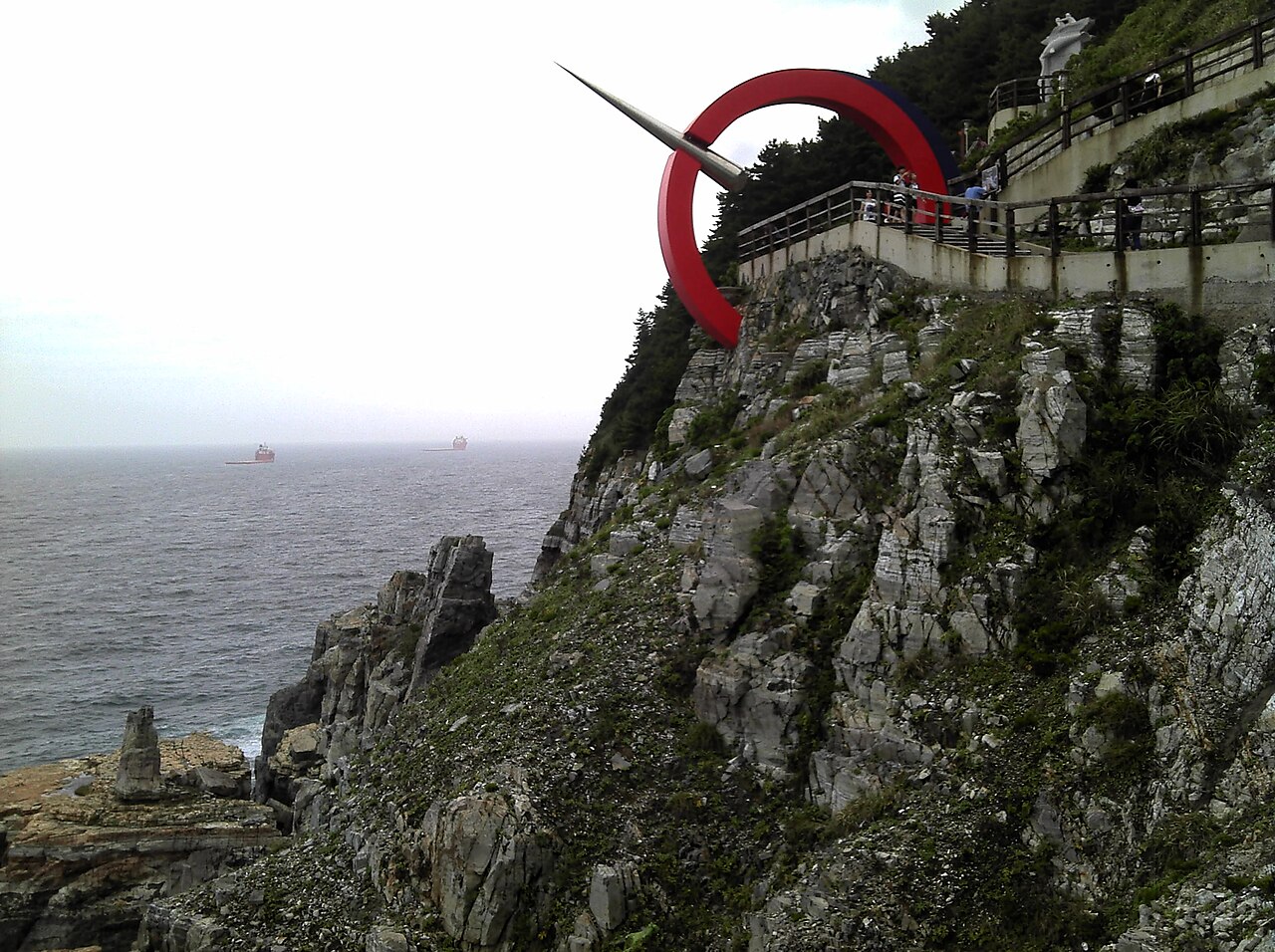
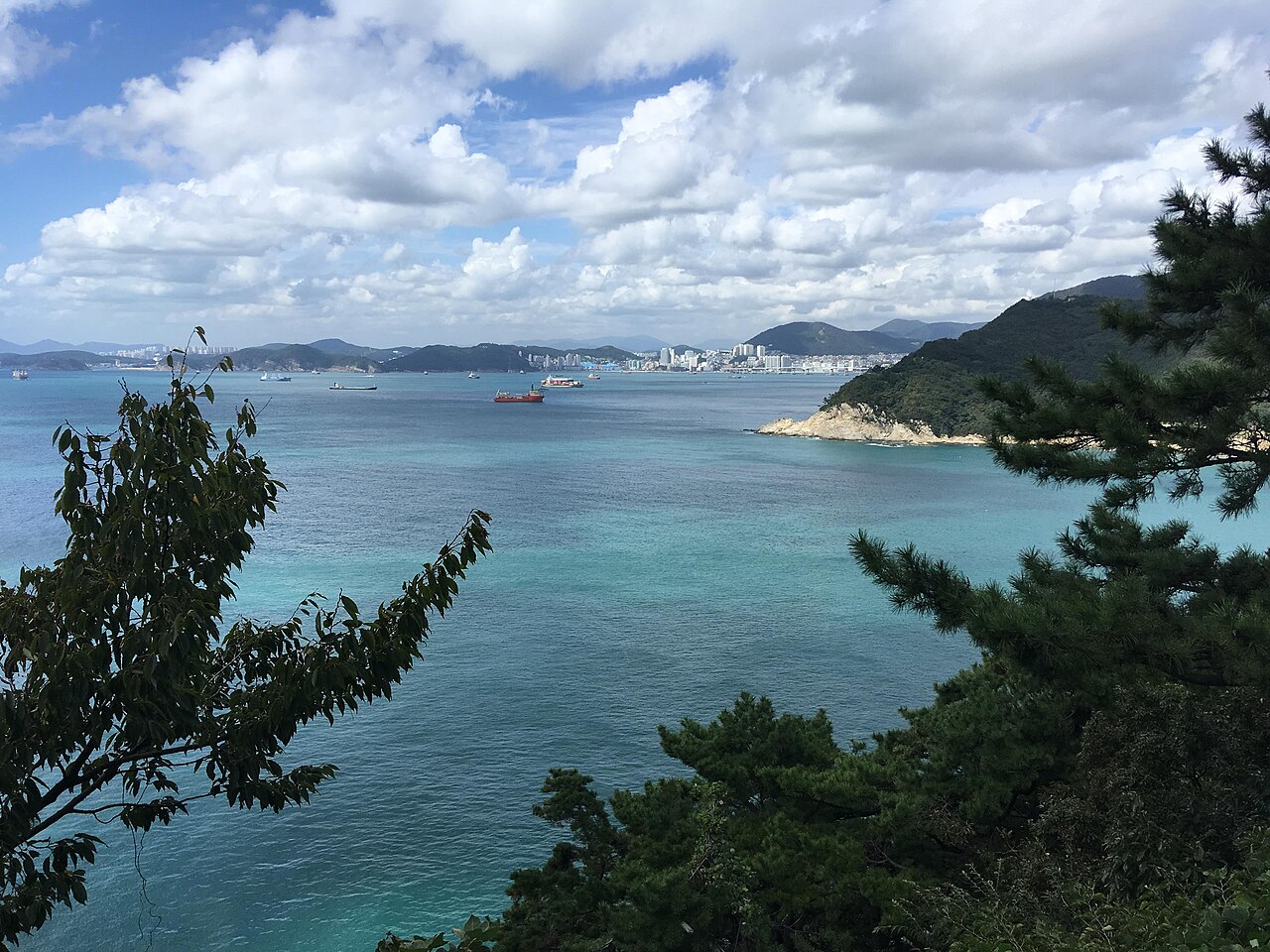
A coastal natural park at the southernmost tip of Yeongdo, named after Silla's King Taejong Muyeol who reportedly enjoyed archery here. You can move comfortably along the rocky cliffs and pine forests using the Danubi Train (circular train). From the lighthouse observatory, you can see as far as Tsushima Island on clear days.
Busan Tower (부산타워)
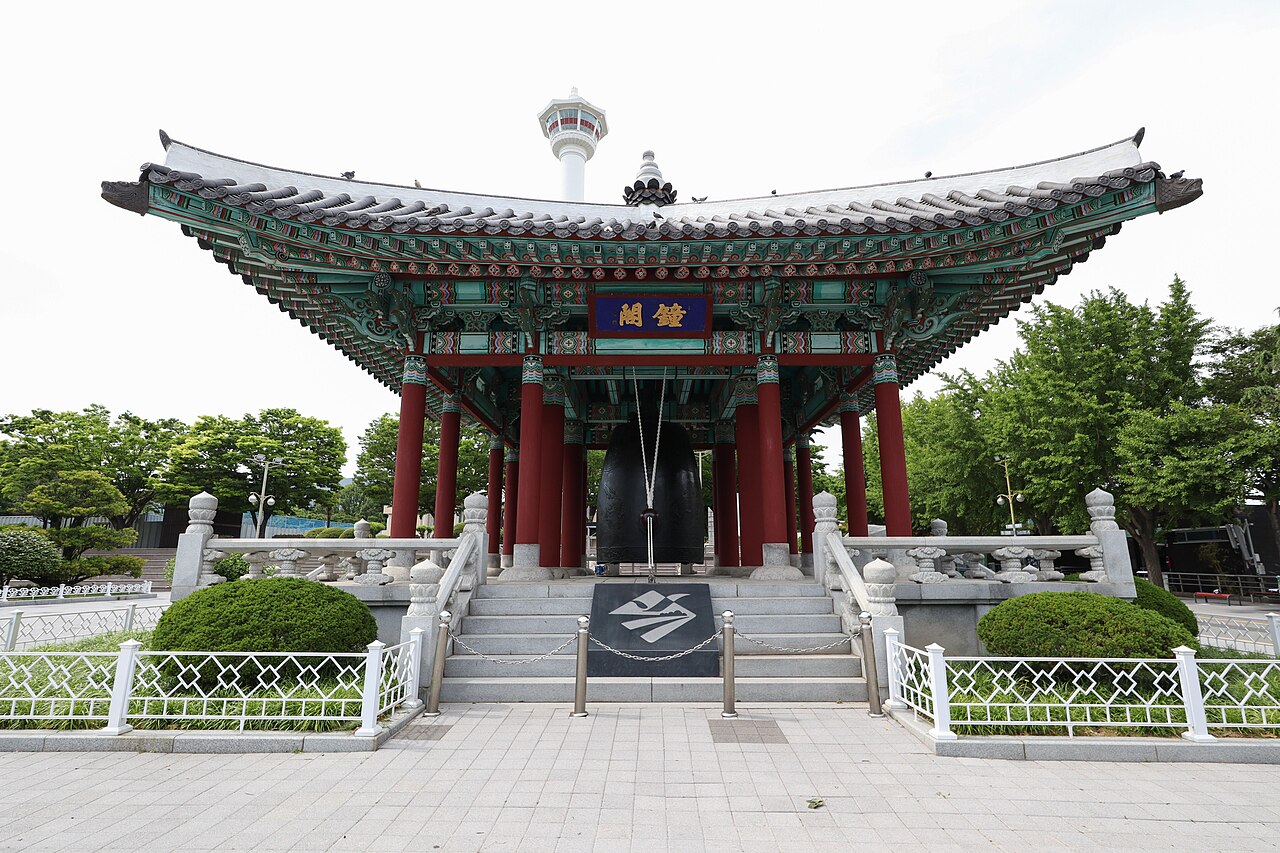
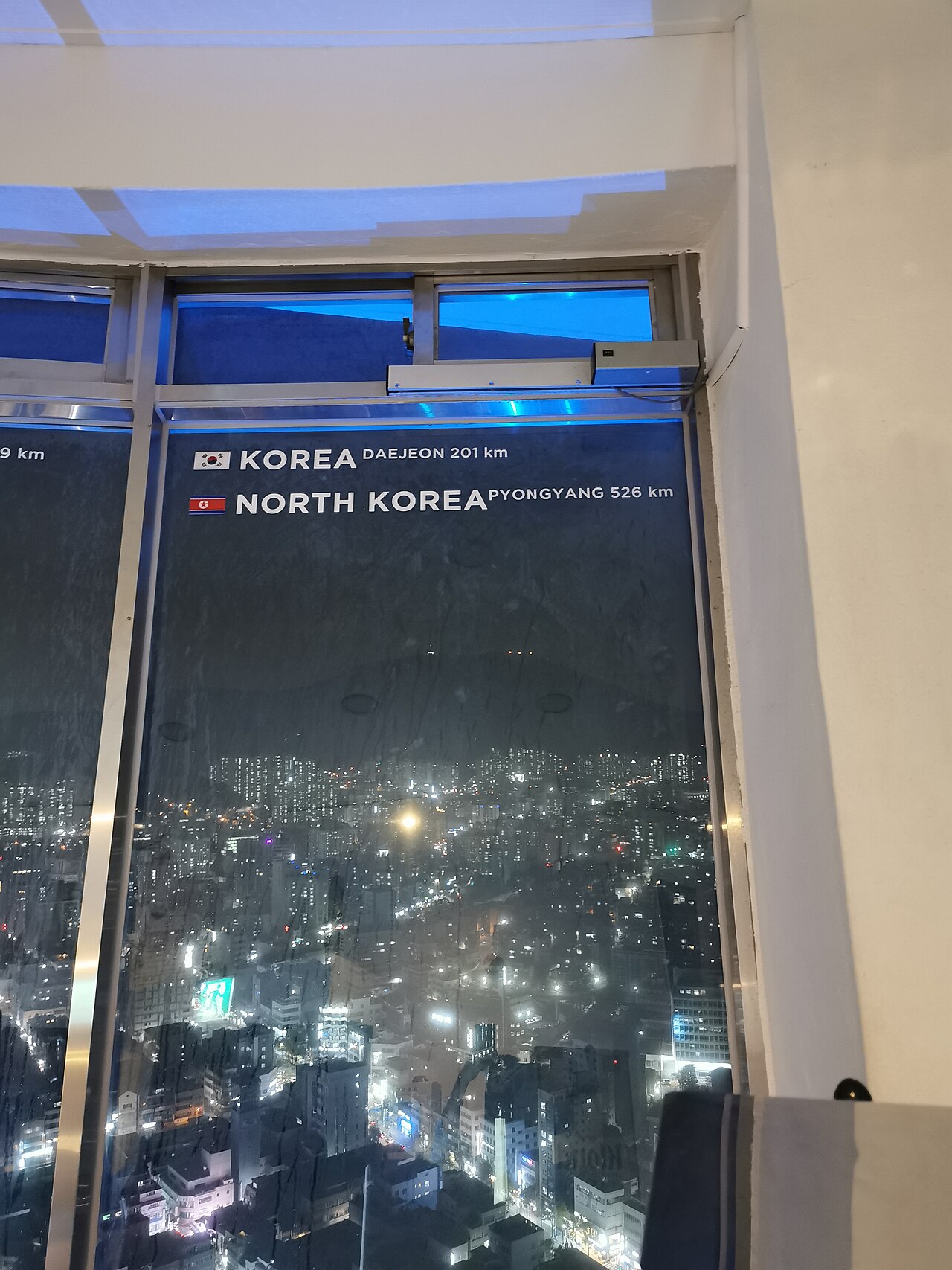
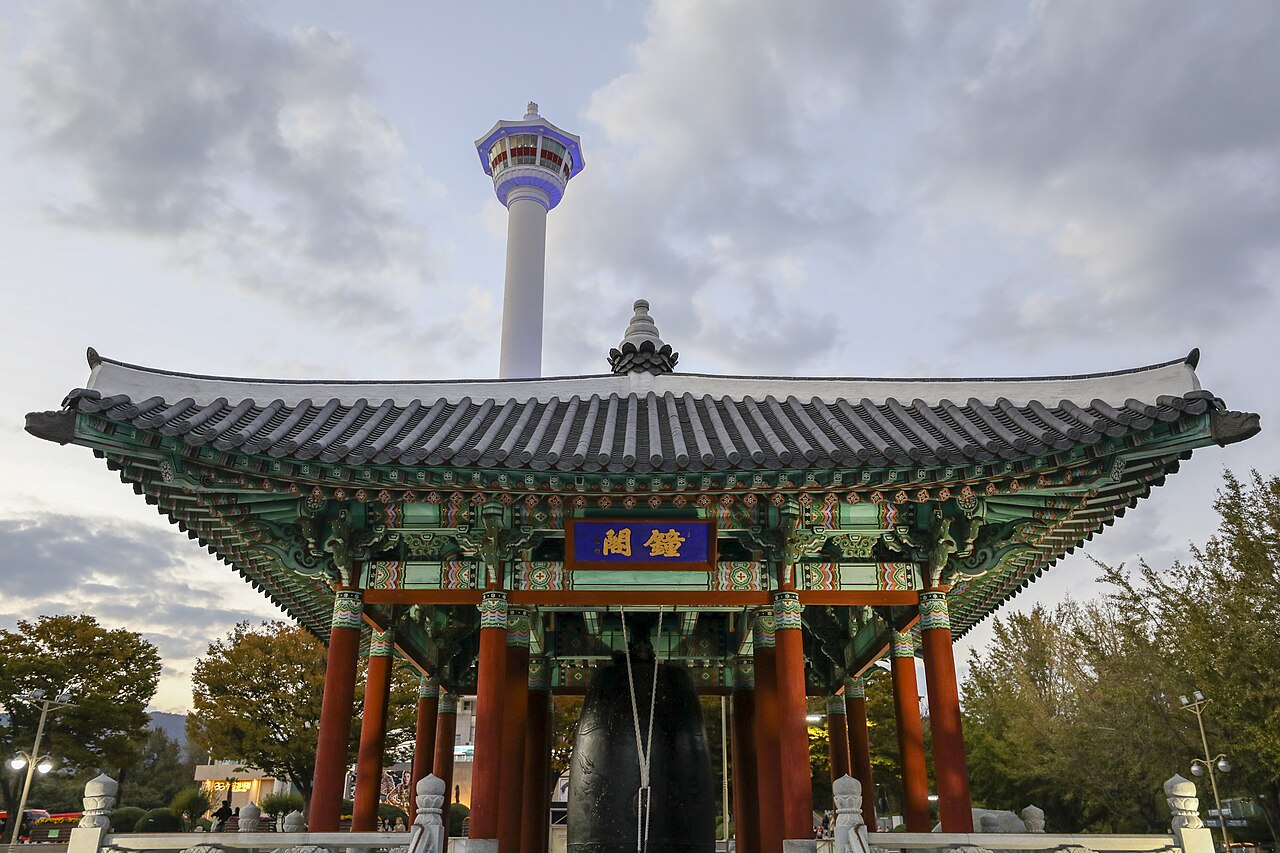
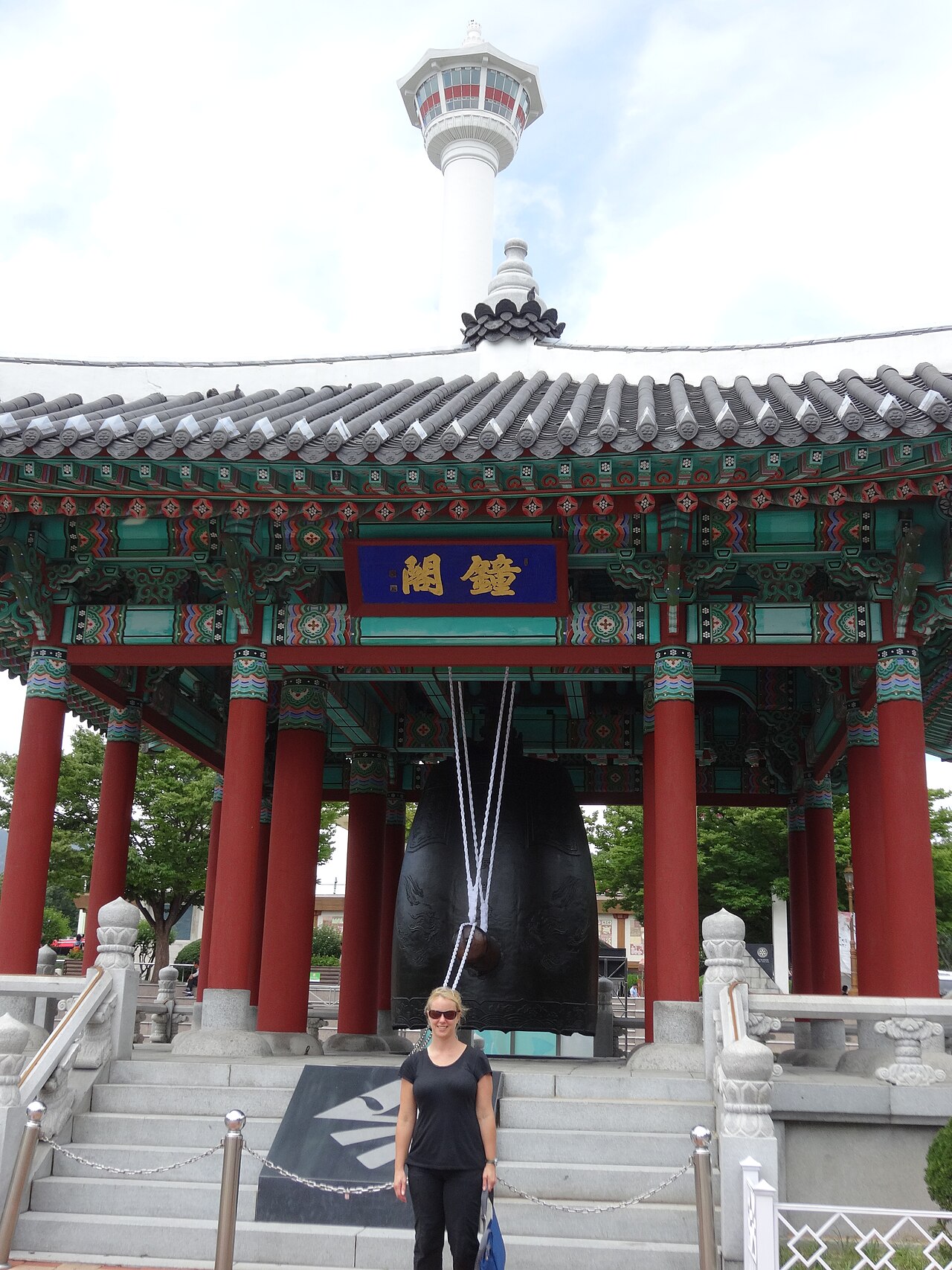
A 120m high observation tower built in 1973 atop Yongdusan Park in Jung-gu. From the top, you can look down at Busan Port and the old city center. It serves as a landmark for sightseeing near Jagalchi Market and Gukje Market. It is also famous for the 'Bell of Busan Citizens' tolling ceremony every New Year's Eve.
Yeongdo Bridge (영도대교)
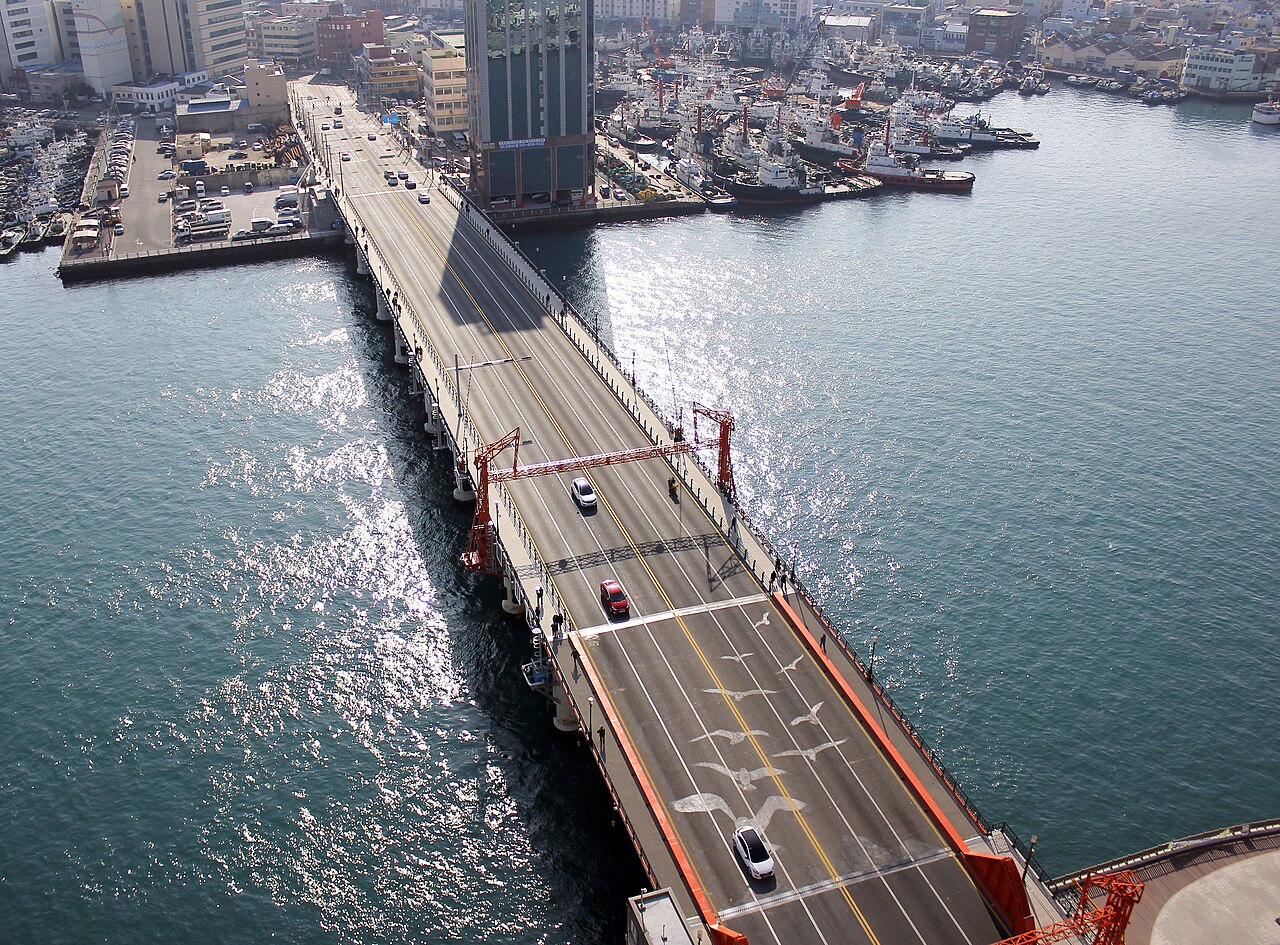
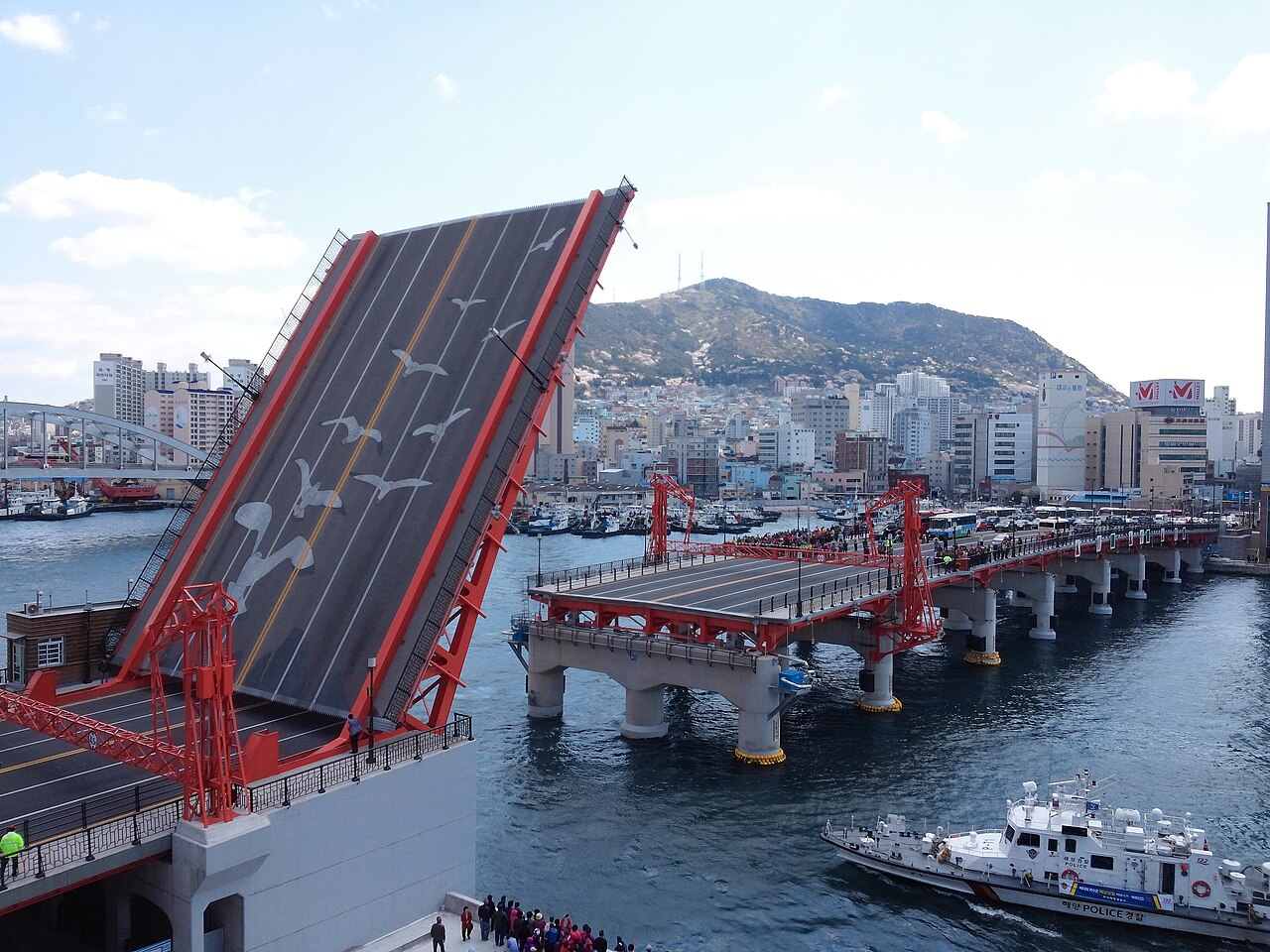
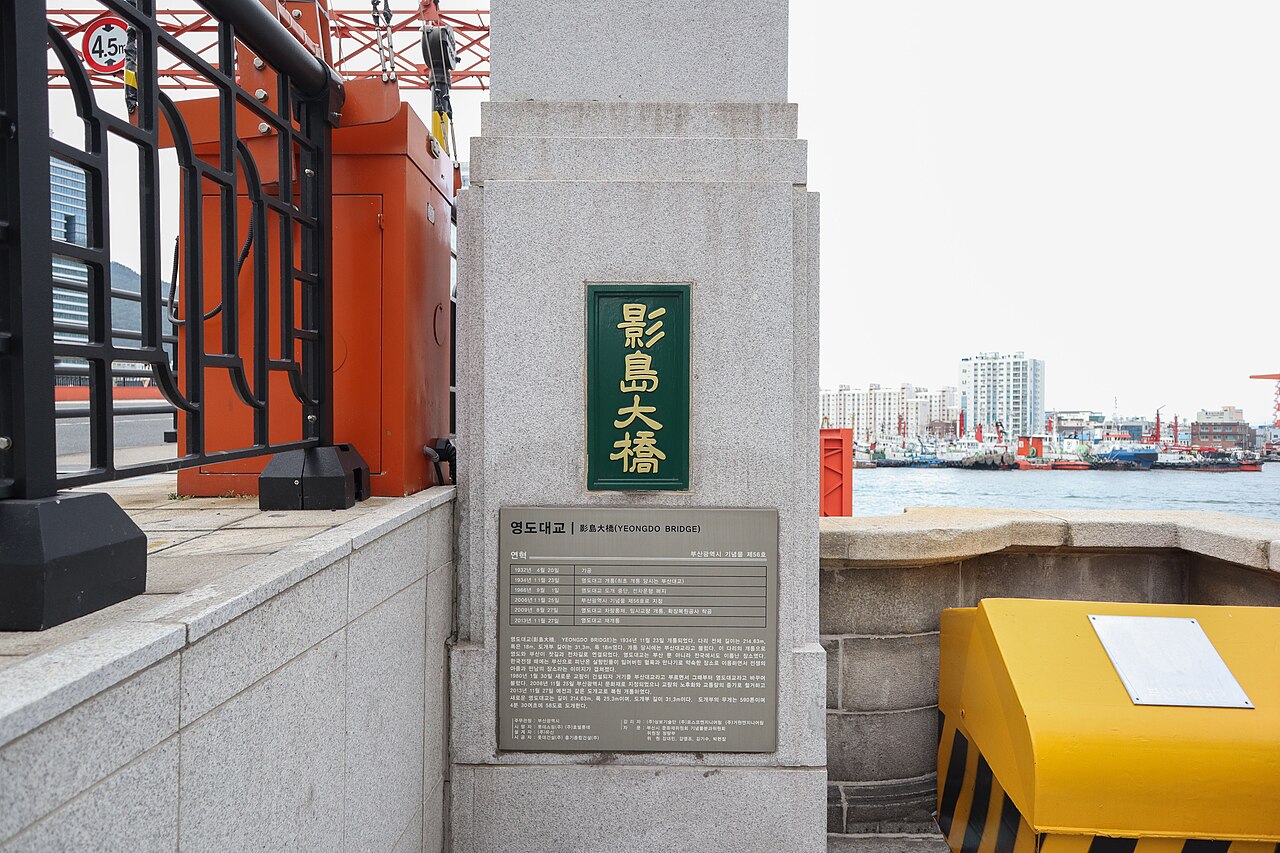
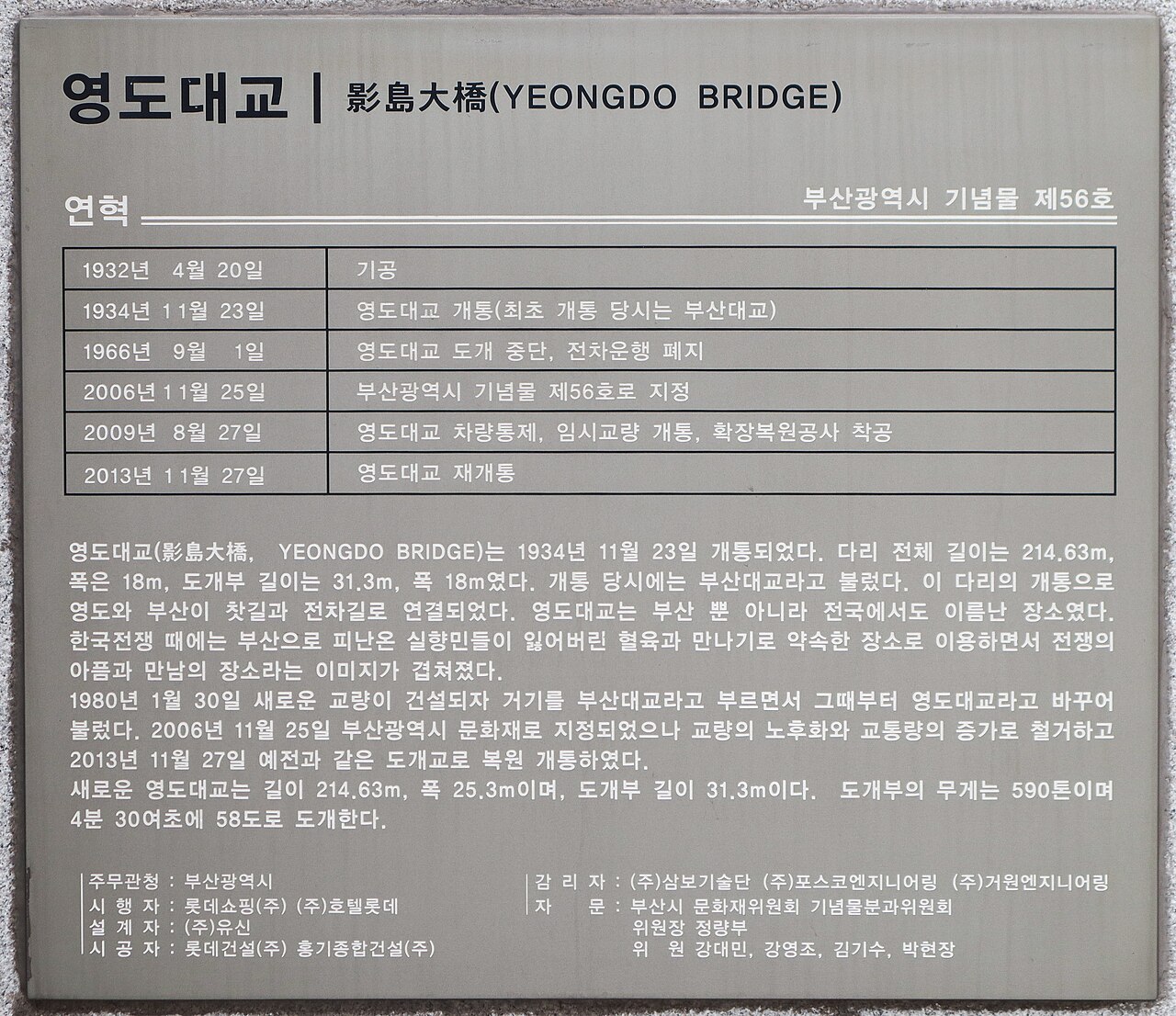
Completed in 1934, it is Korea's only bascule bridge (a bridge that opens upward) connecting the old city center and Yeongdo. The bridge-raising ceremony held daily at 2 PM is a local attraction. Known as a place where refugees promised to reunite with lost families during the Korean War, it is a site filled with the sorrows and joys of modern history.
SEA LIFE Busan Aquarium (씨라이프 부산아쿠아리움)
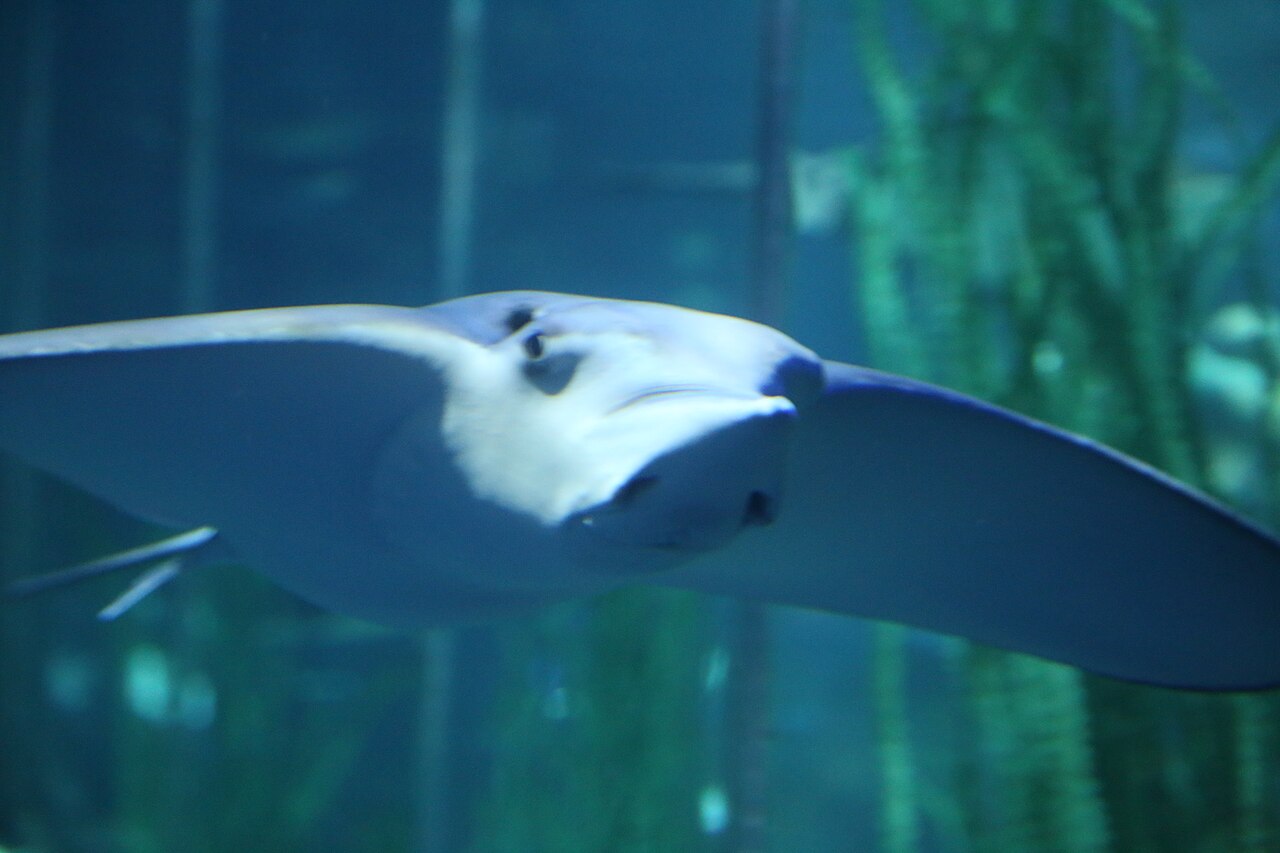
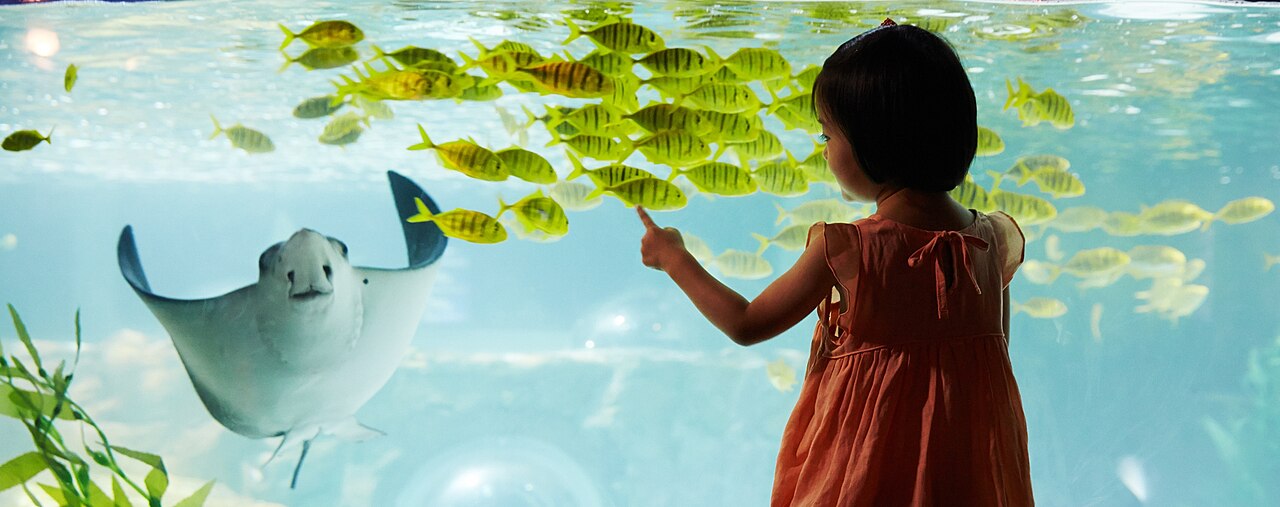
Busan's representative aquarium opened in 2001, featuring a 3-million-liter main tank and an 80-meter underwater tunnel. It has over 40 themed exhibition halls with penguins, otters, piranhas, and jellyfish, as well as a touch pool. Located right in front of Haeundae Beach, it's easy to combine with a beach stroll.
Haedong Yonggungsa Temple (해동용궁사)
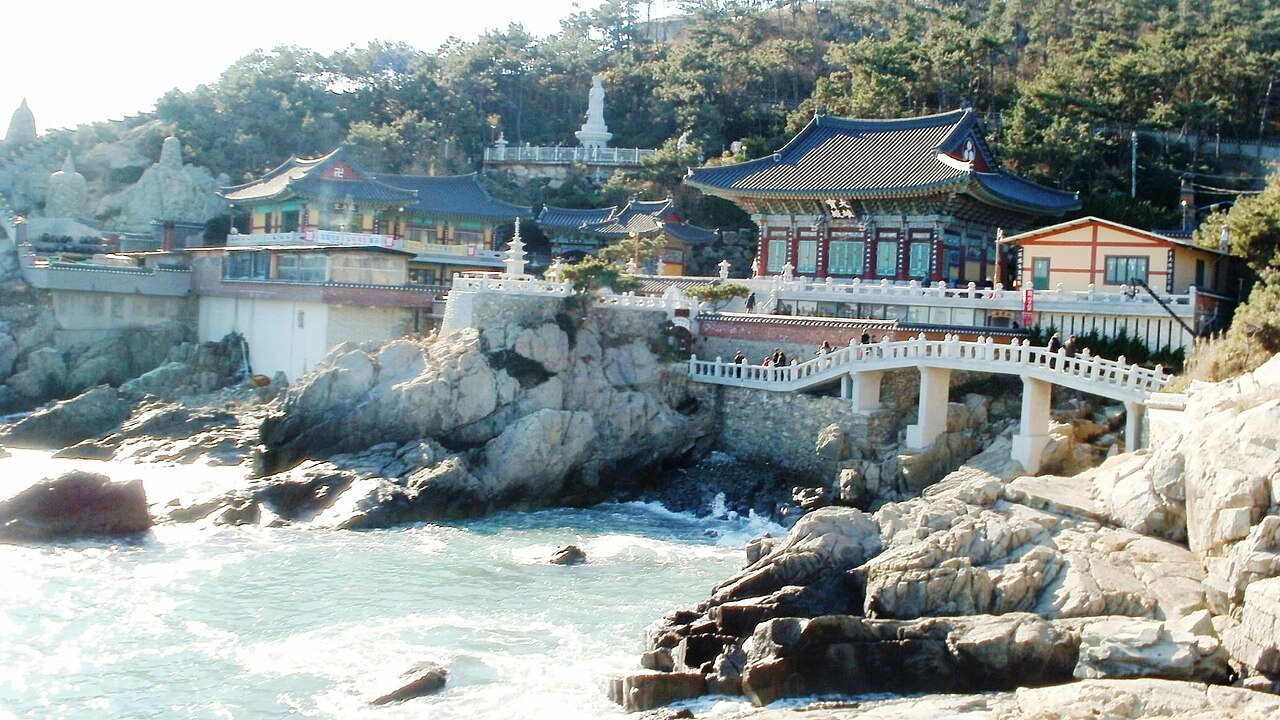
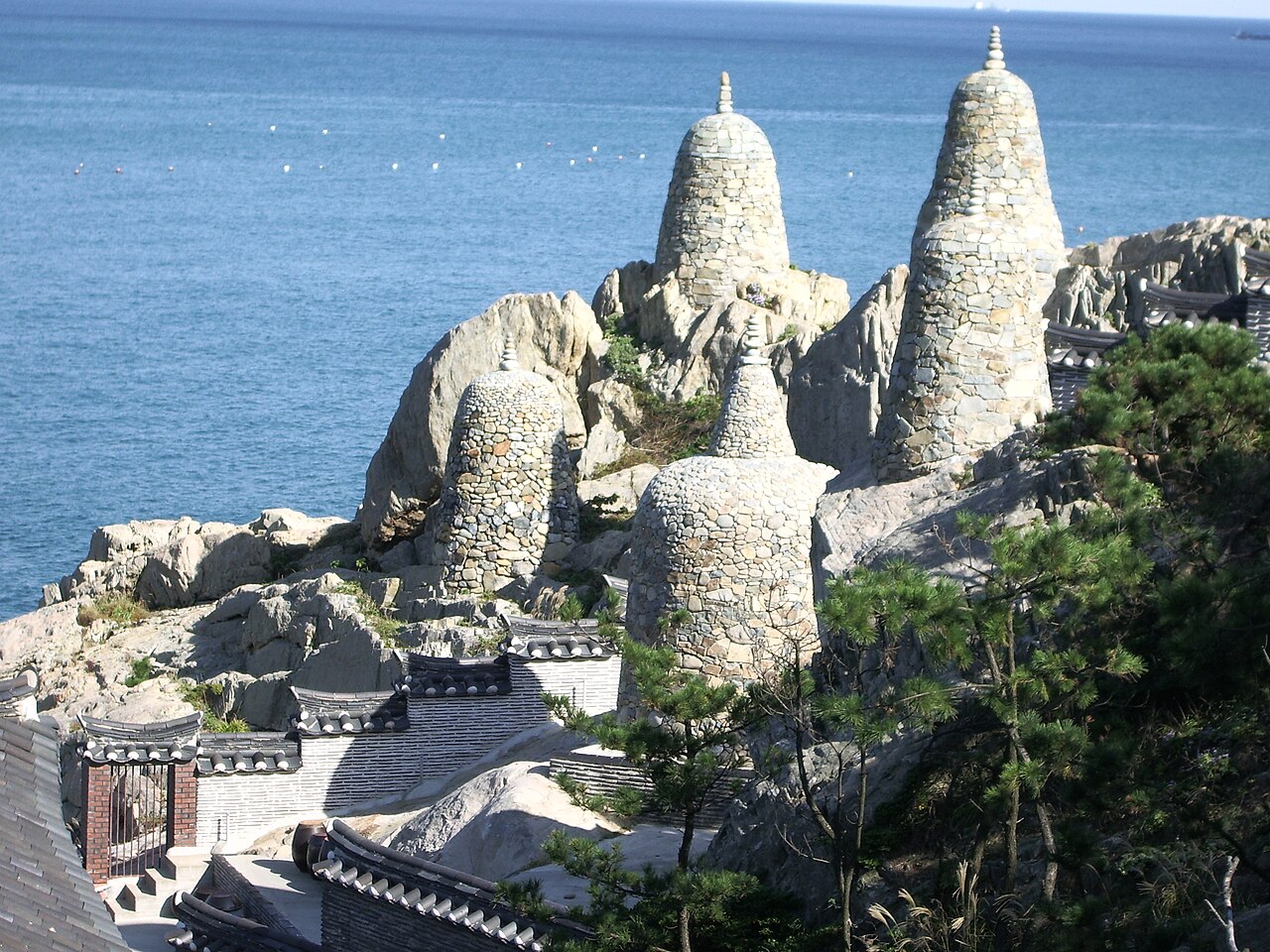
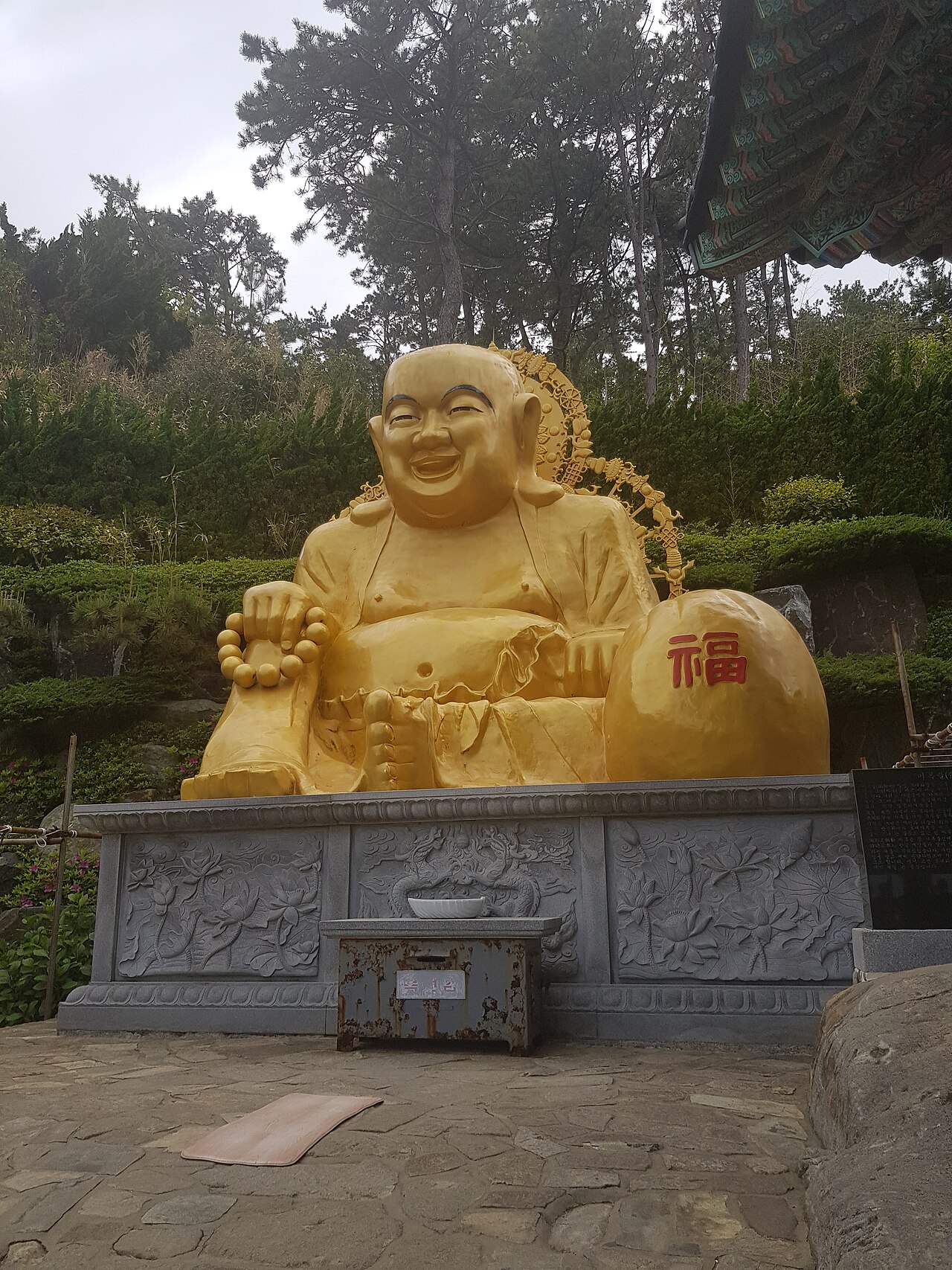
Founded in 1376, this temple is built on a rocky cliff by the sea, unlike most Korean temples located in mountains. Descending 108 stone steps leads to the main hall bordering the cliff where waves crash, gold statues, and various stone sculptures. It is a famous New Year's sunrise spot located about 40 minutes by car from downtown Busan.
Gwangalli Beach (광안리해수욕장)
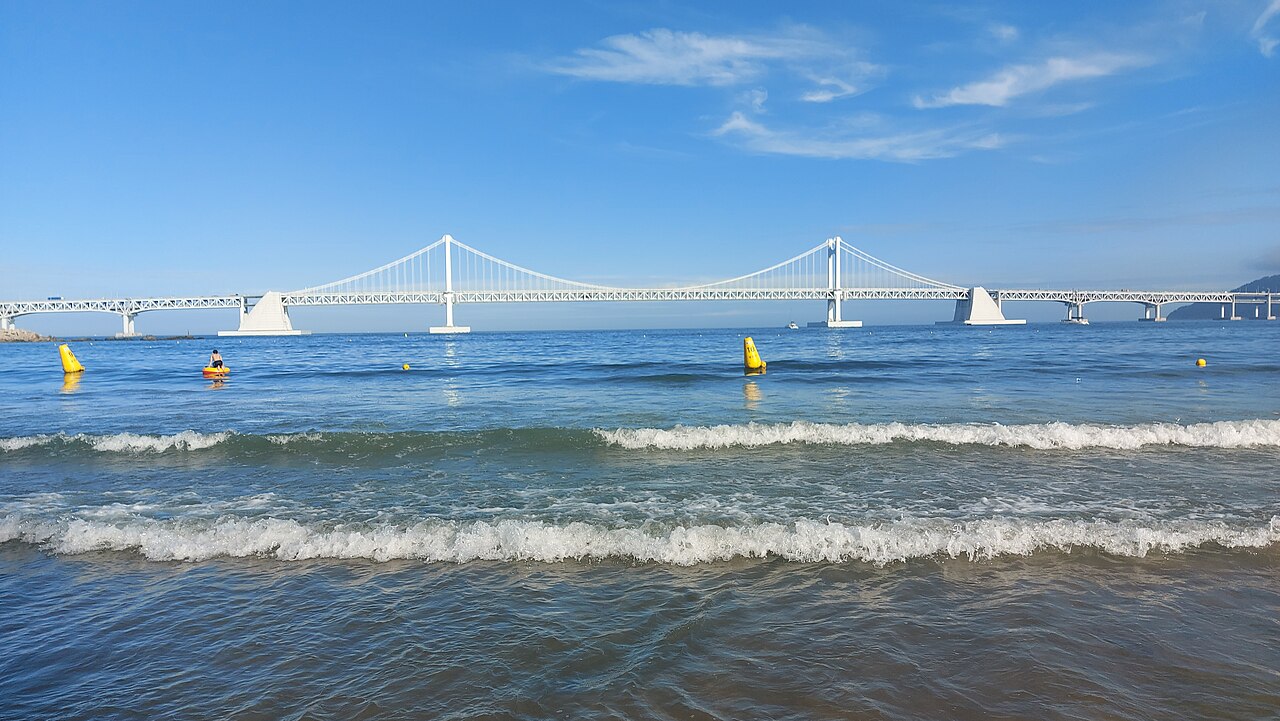
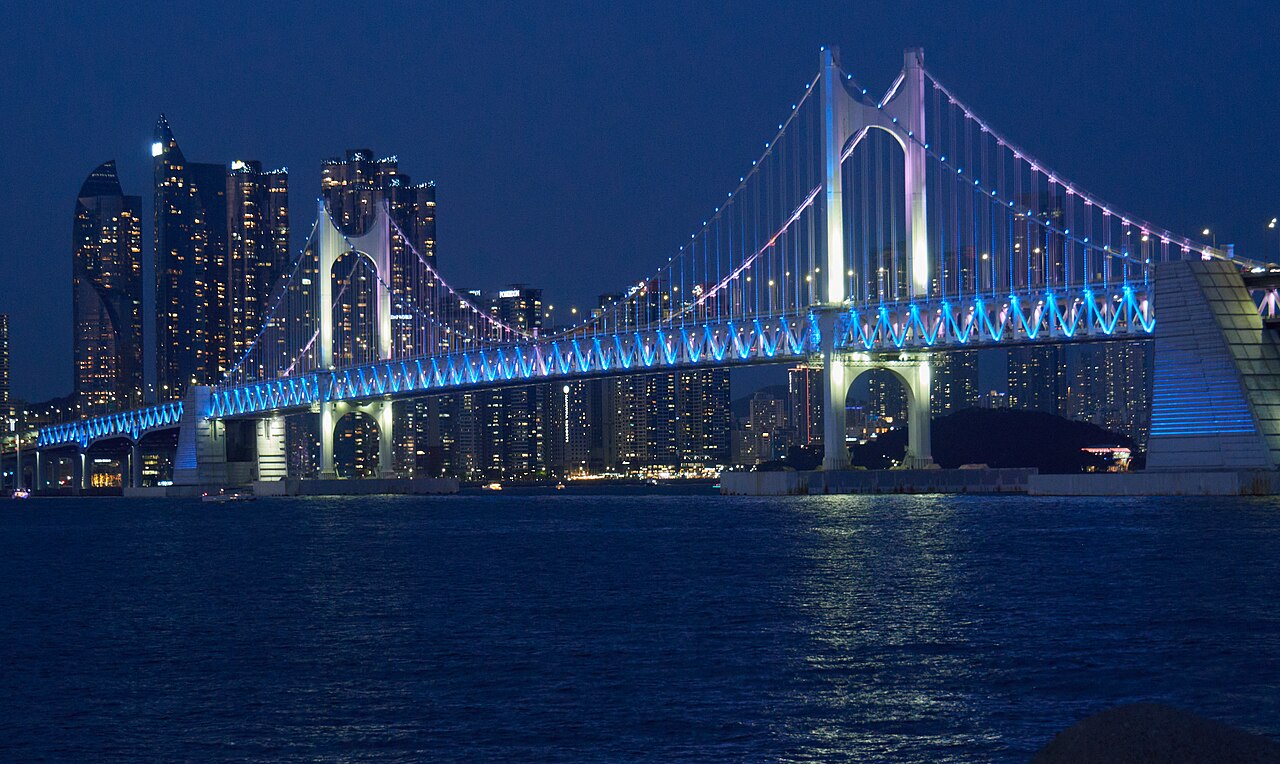
An urban beach in Suyeong-gu, Busan, where the colorful night lighting of Gwangandaegyo Bridge is the highlight. You can enjoy the view from stylish cafes and food stall streets. It is the stage for the annual Busan Fireworks Festival. It's more laid-back than Haeundae and popular with locals for walking and driving.
Gukje Market (국제시장)
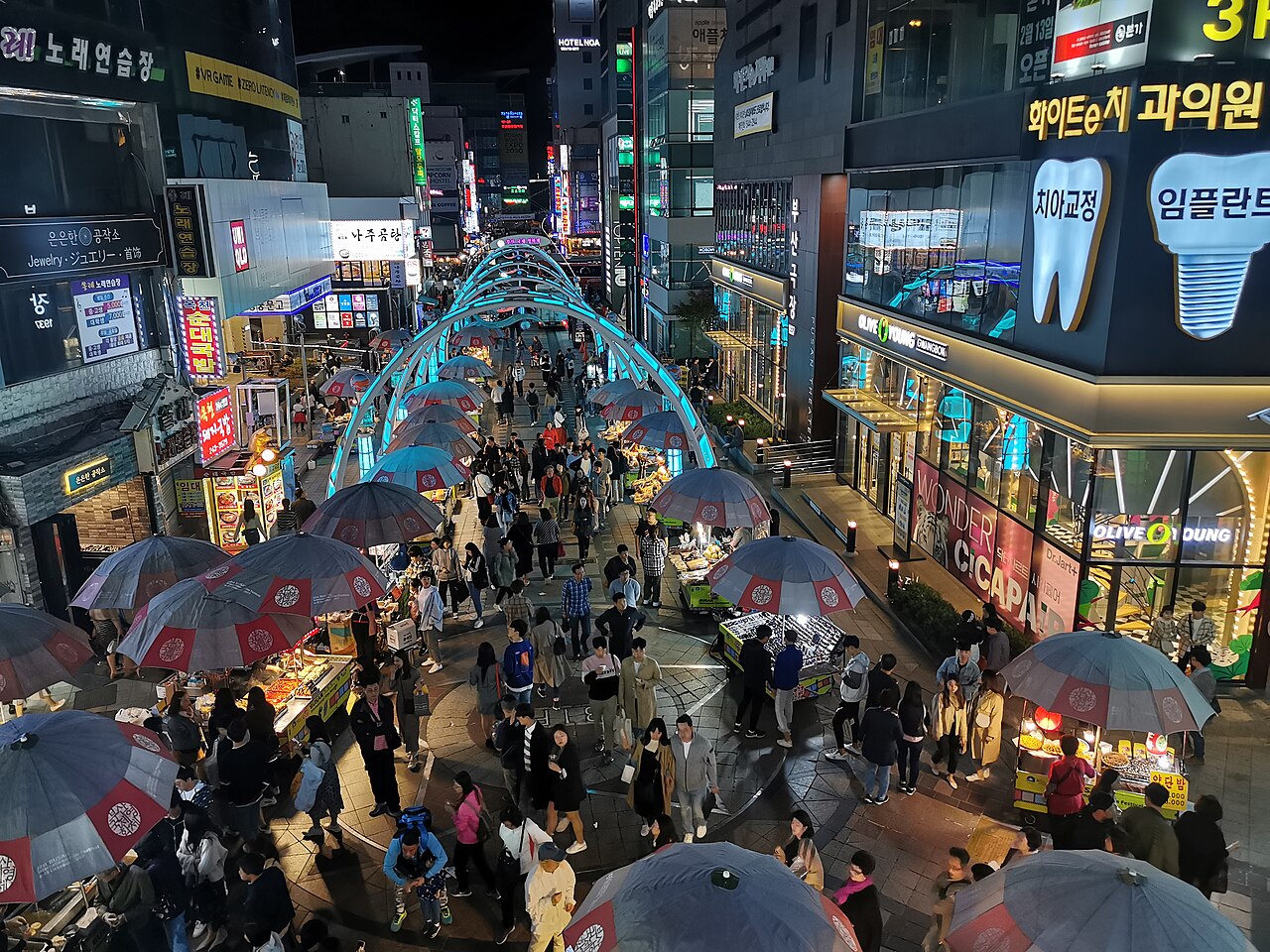
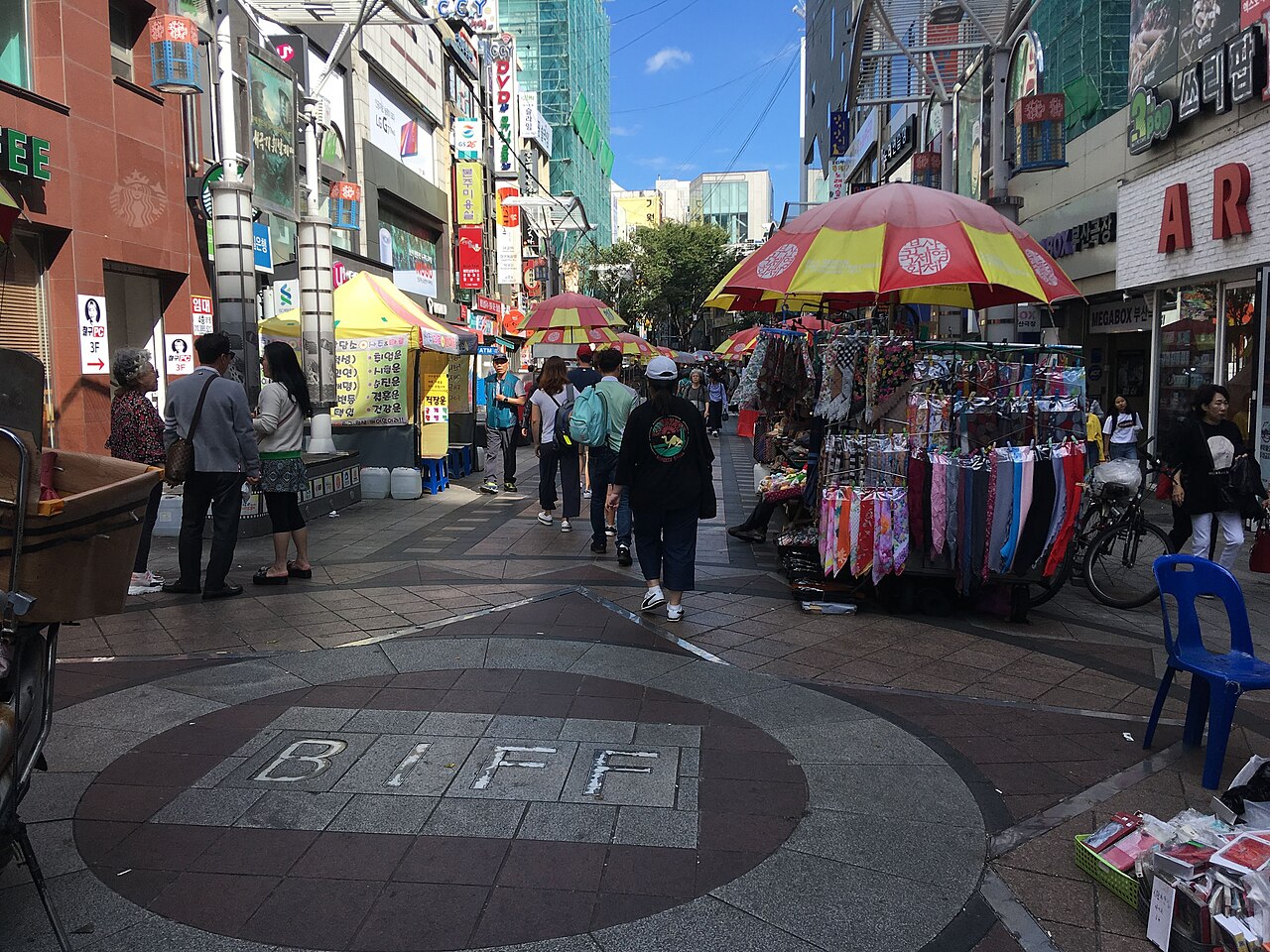
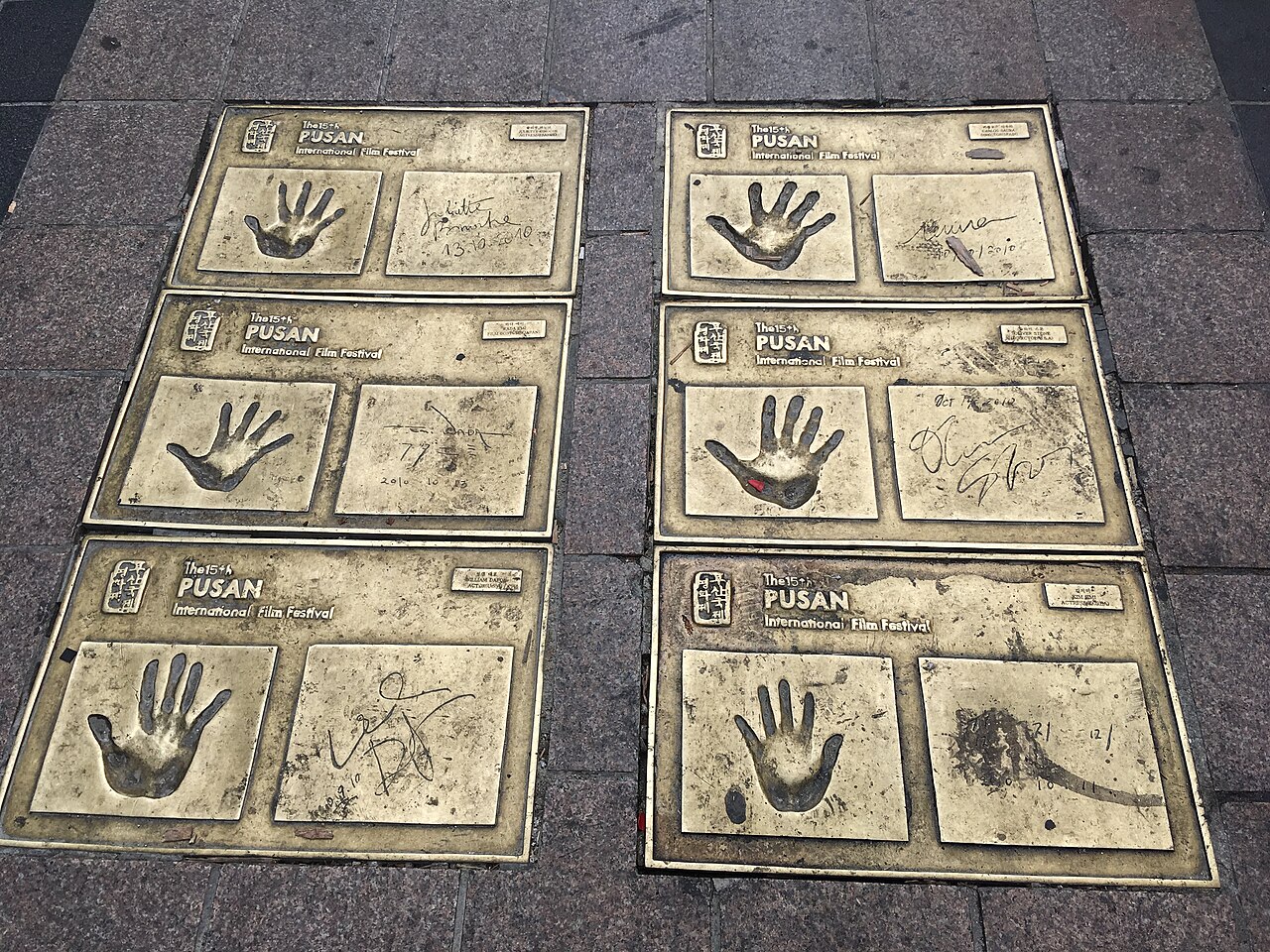
Started as a livelihood for Korean War refugees, it is now Busan's representative traditional market and was the setting for the movie 'Ode to My Father.' Maze-like alleys are filled with street snacks like seed hotteok and imported goods shops. BIFF Square nearby features star handprints and more street stalls.