Gyeongbokgung Palace (경복궁)
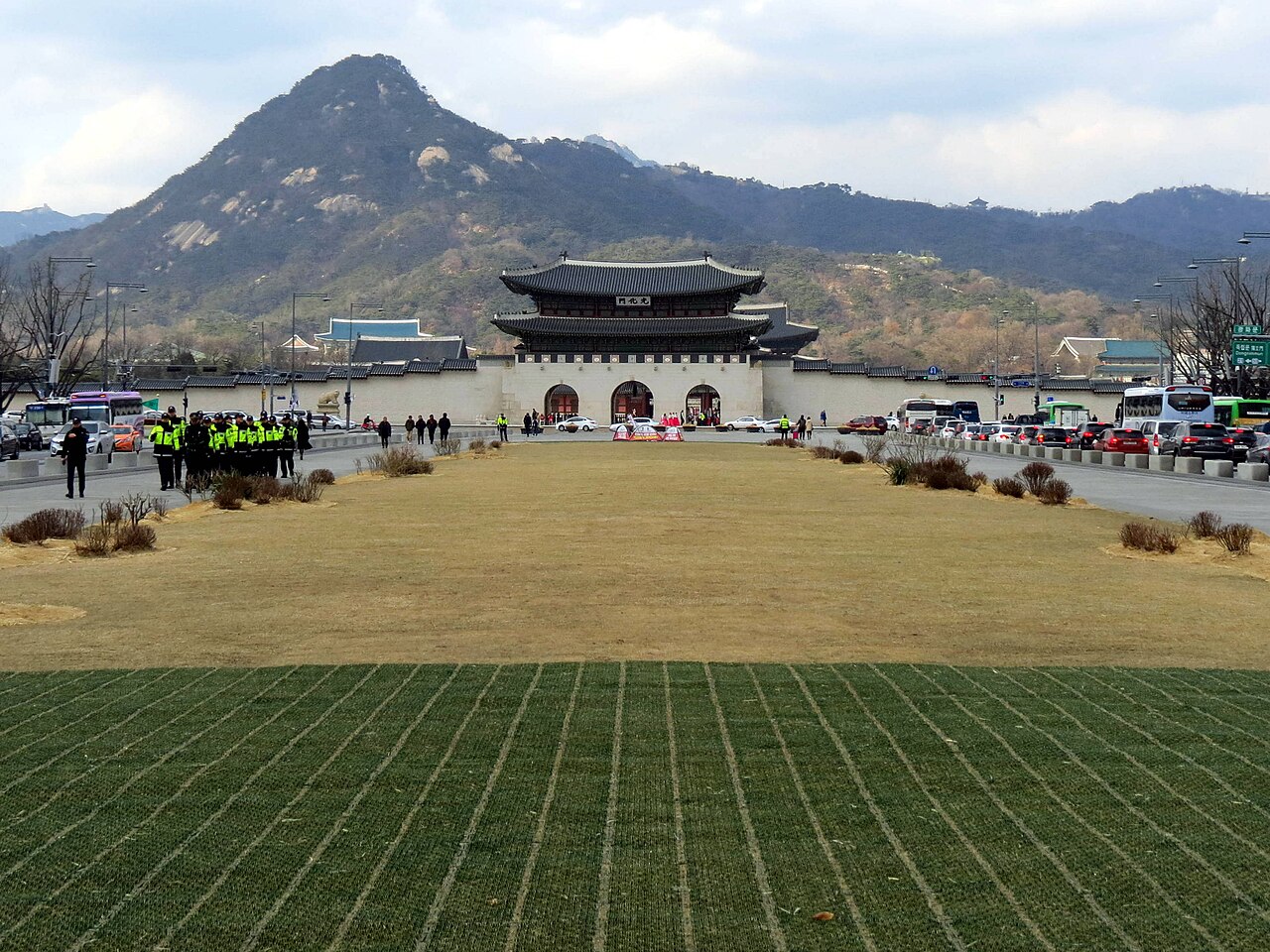
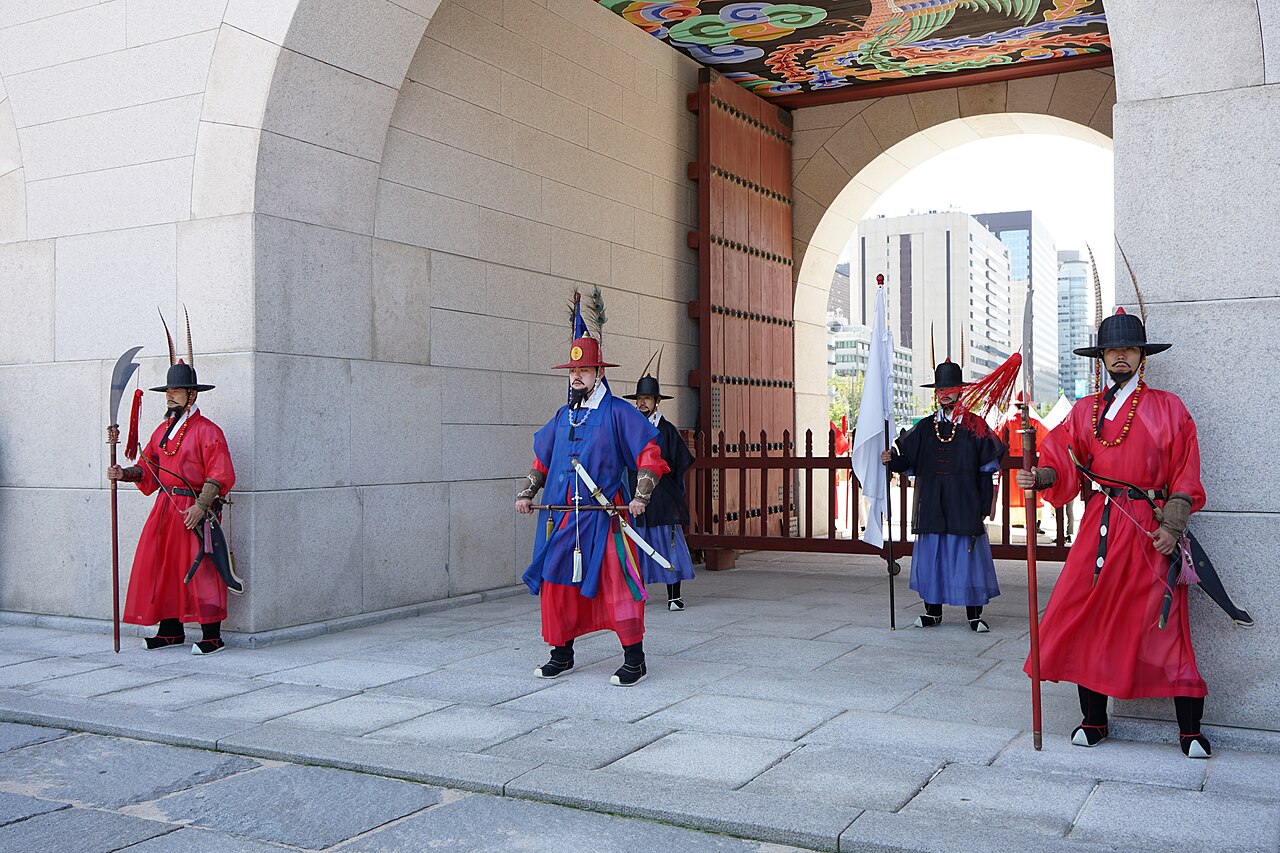
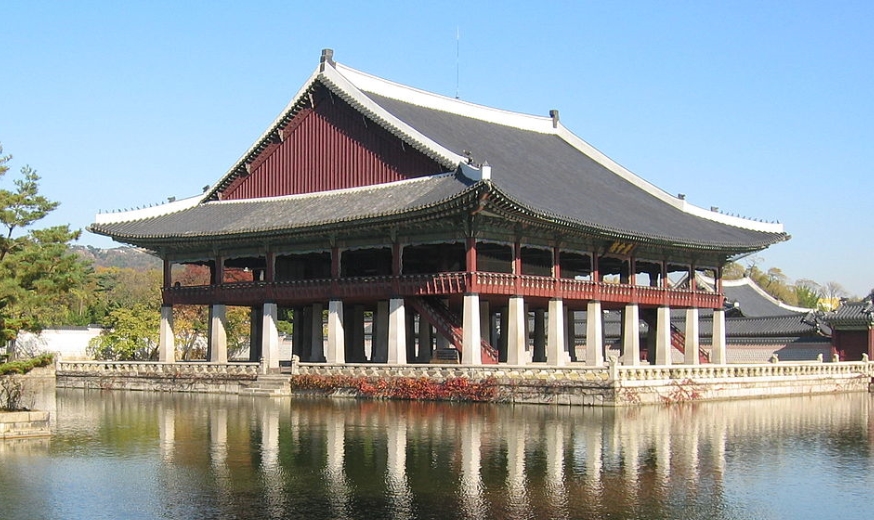
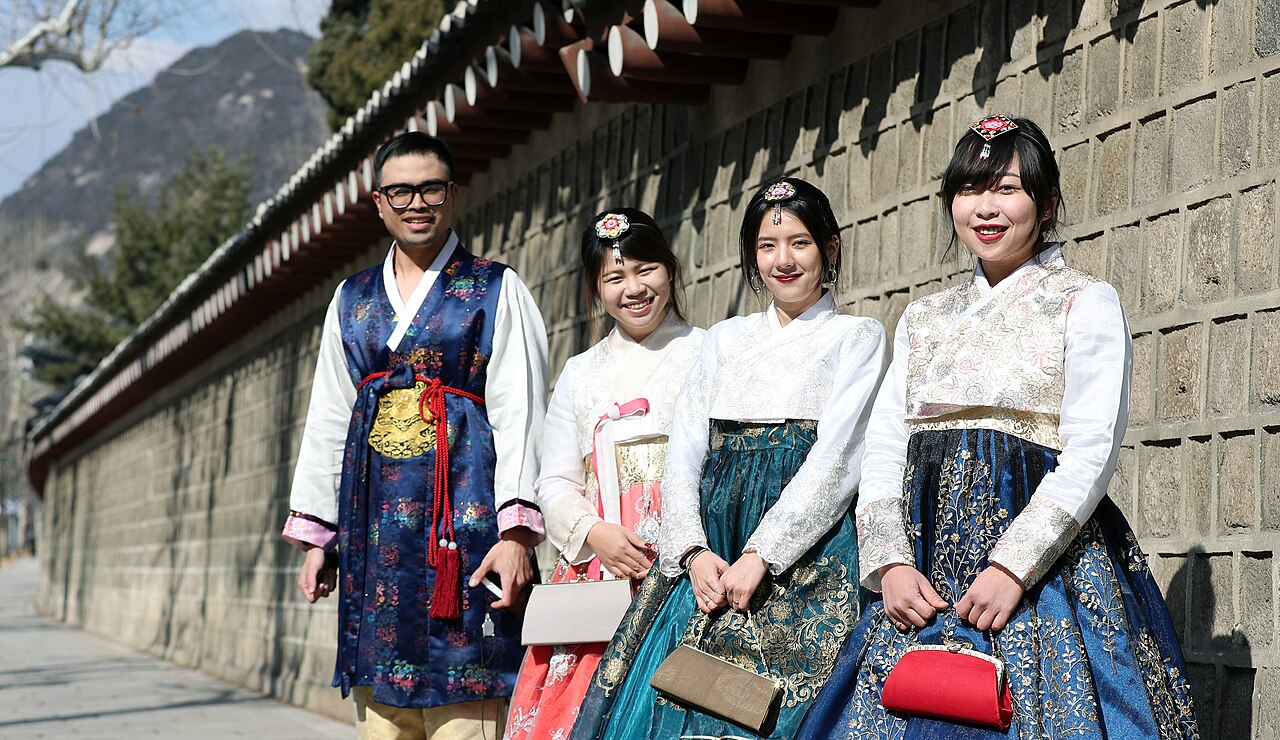
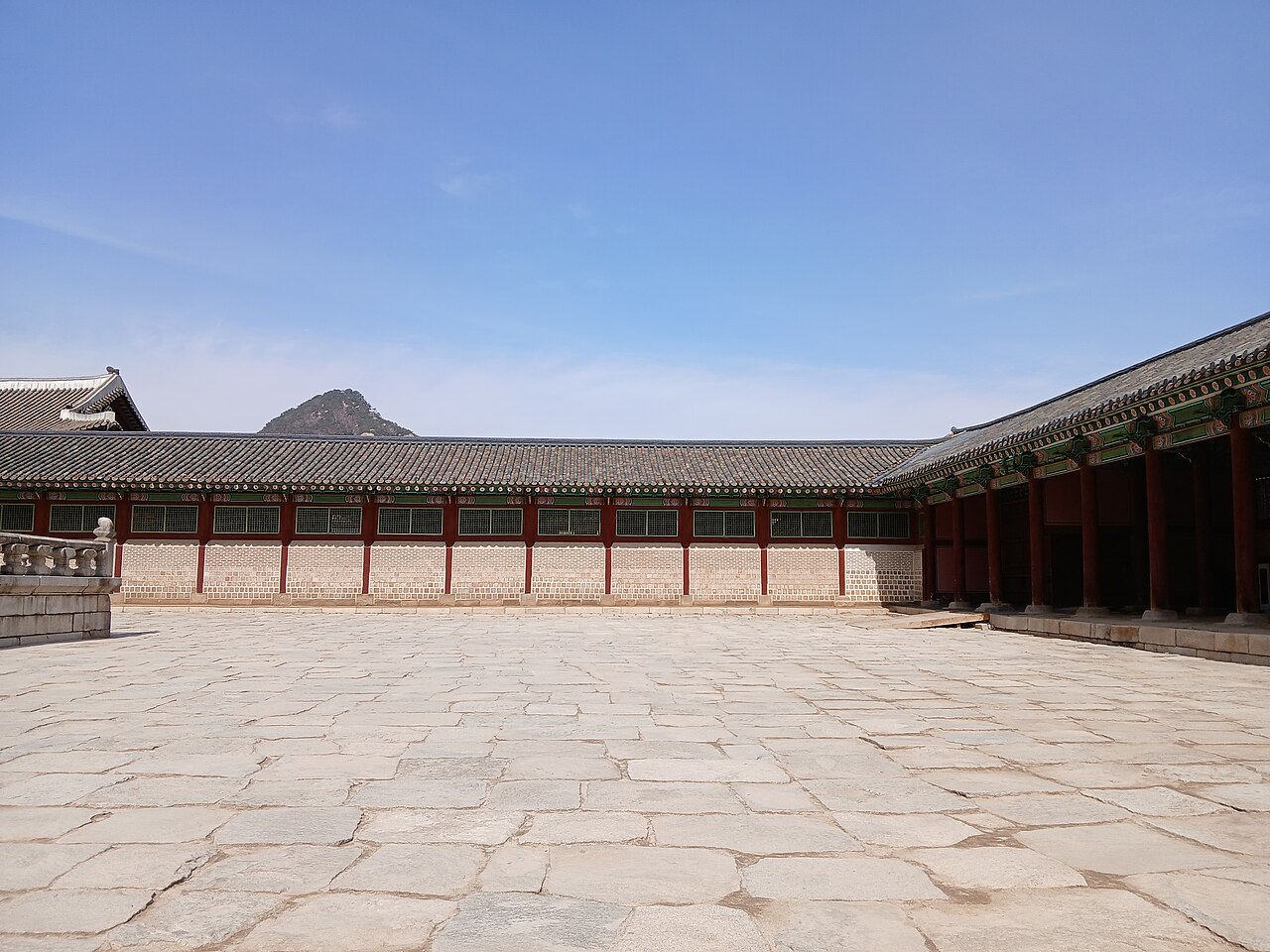
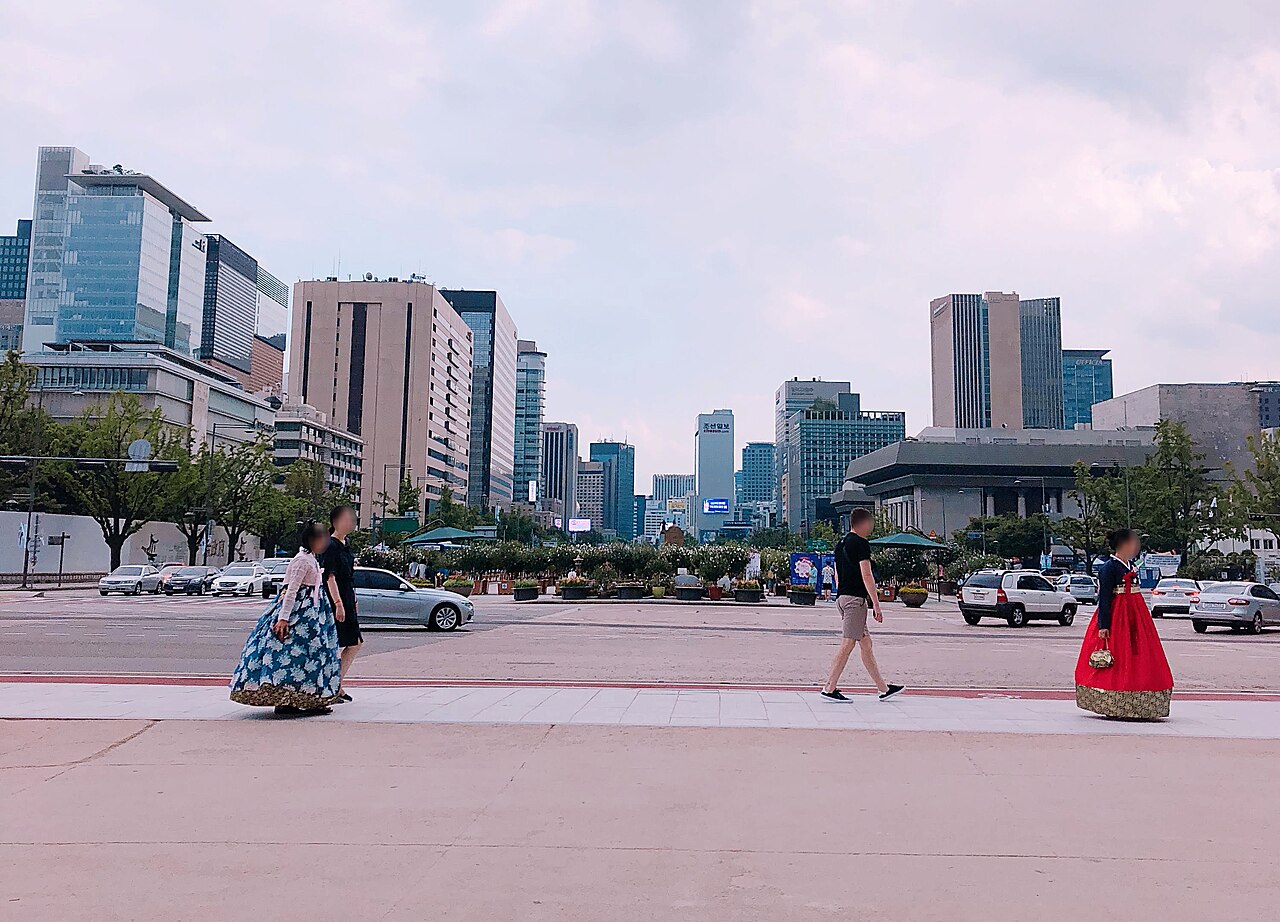
Founded in 1395 as the primary palace of the Joseon Dynasty, the main highlights include the Royal Guard Changing Ceremony held daily at 10 AM and 2 PM in front of Gwanghwamun Gate and the reflection in the Gyeonghoeru Pavilion pond. It is a popular commemorative photo spot for families and groups with Geunjeongjeon Hall in the background, especially since entry is free if you wear a Hanbok. Note that the palace is closed every Tuesday.
Bukchon Hanok Village (북촌한옥마을)
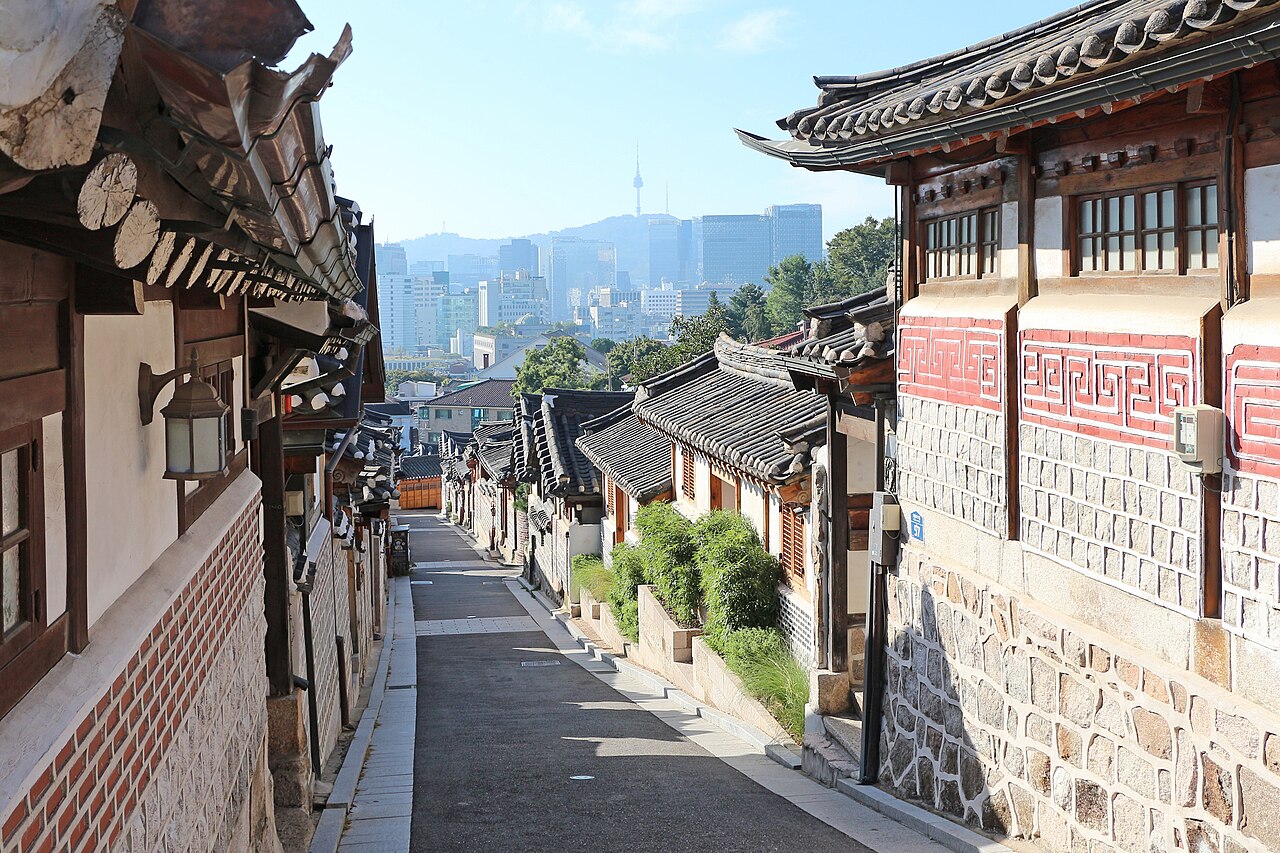
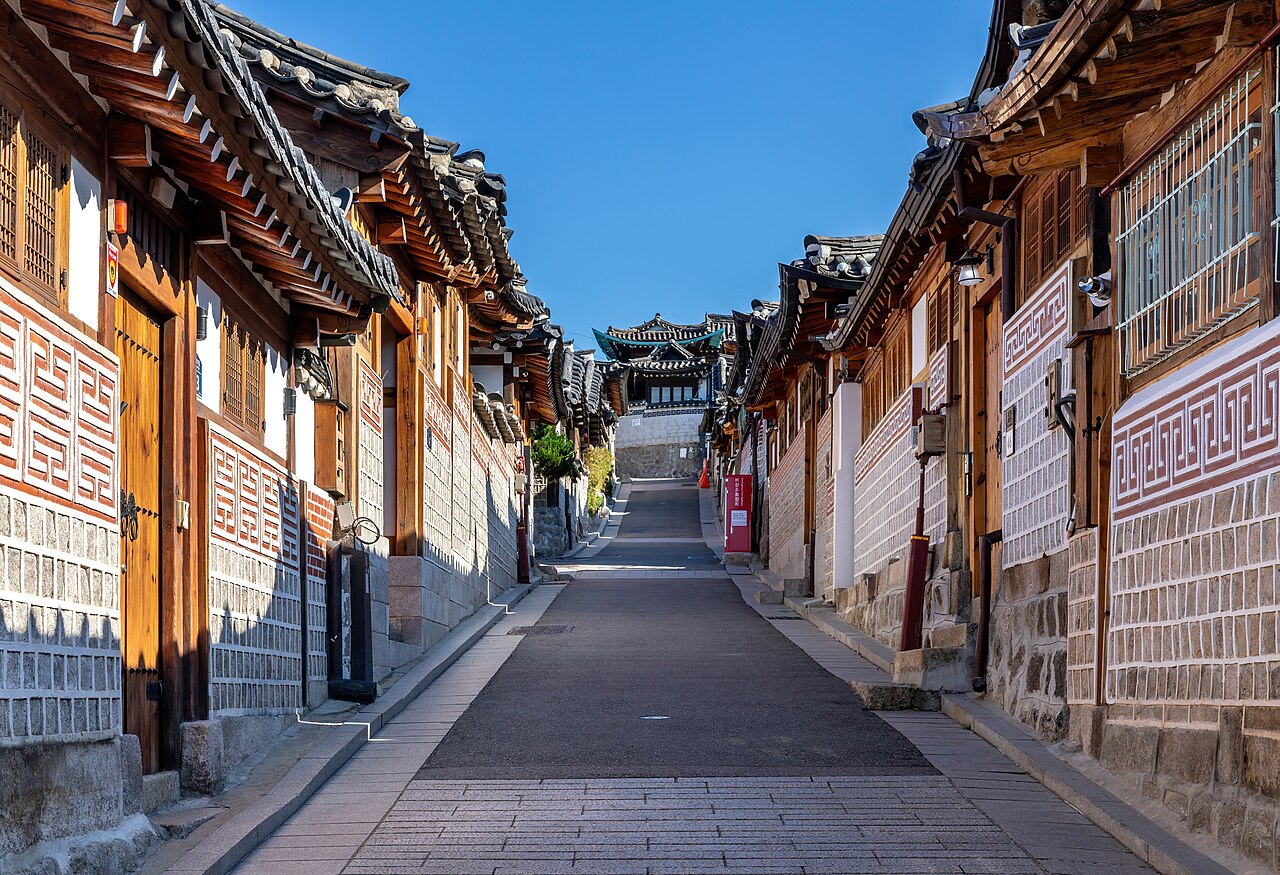
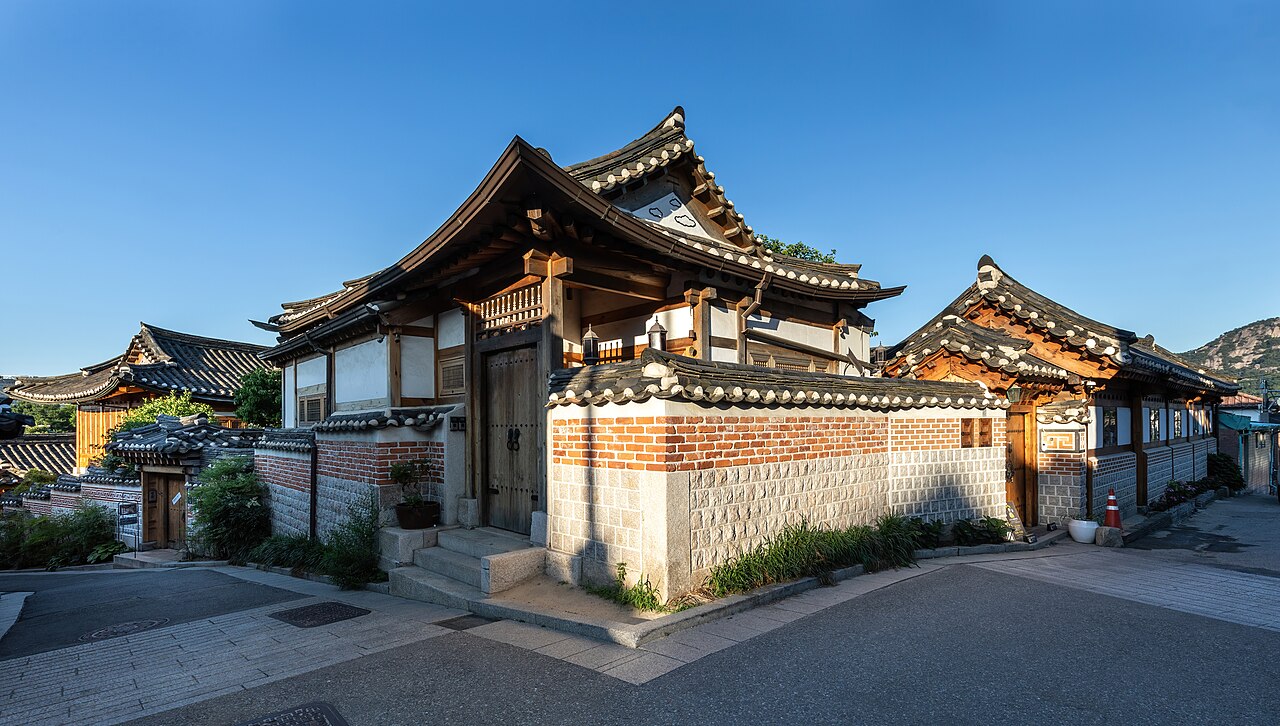
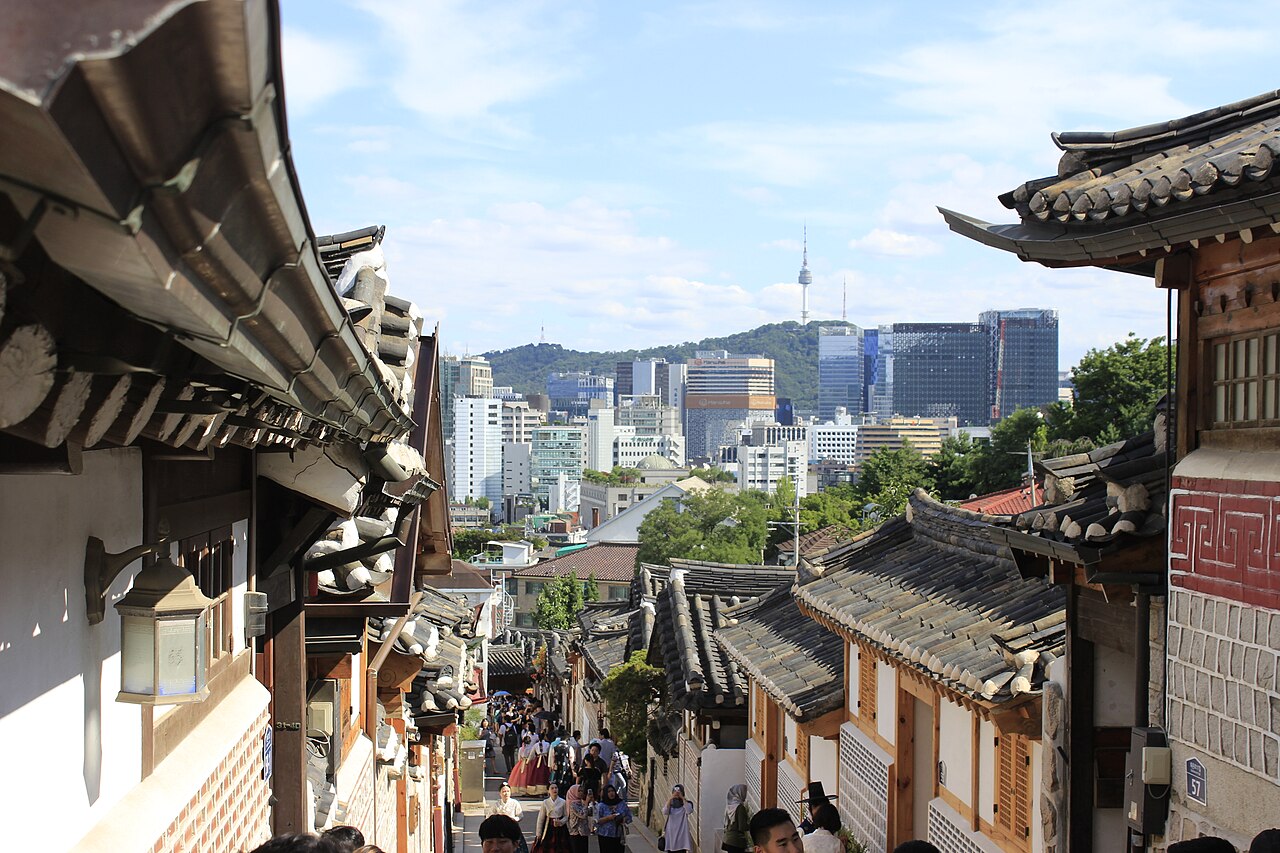
Located on the hill between Gyeongbokgung and Changdeokgung Palaces, this is Seoul's representative traditional Hanok residential area with a 600-year history. You can find photo zones where tiled roofs overlap with Namsan Tower in the background, making it a beautiful traditional landscape course in downtown Seoul perfect for a Hanbok stroll.
Namsan Seoul Tower (남산서울타워)
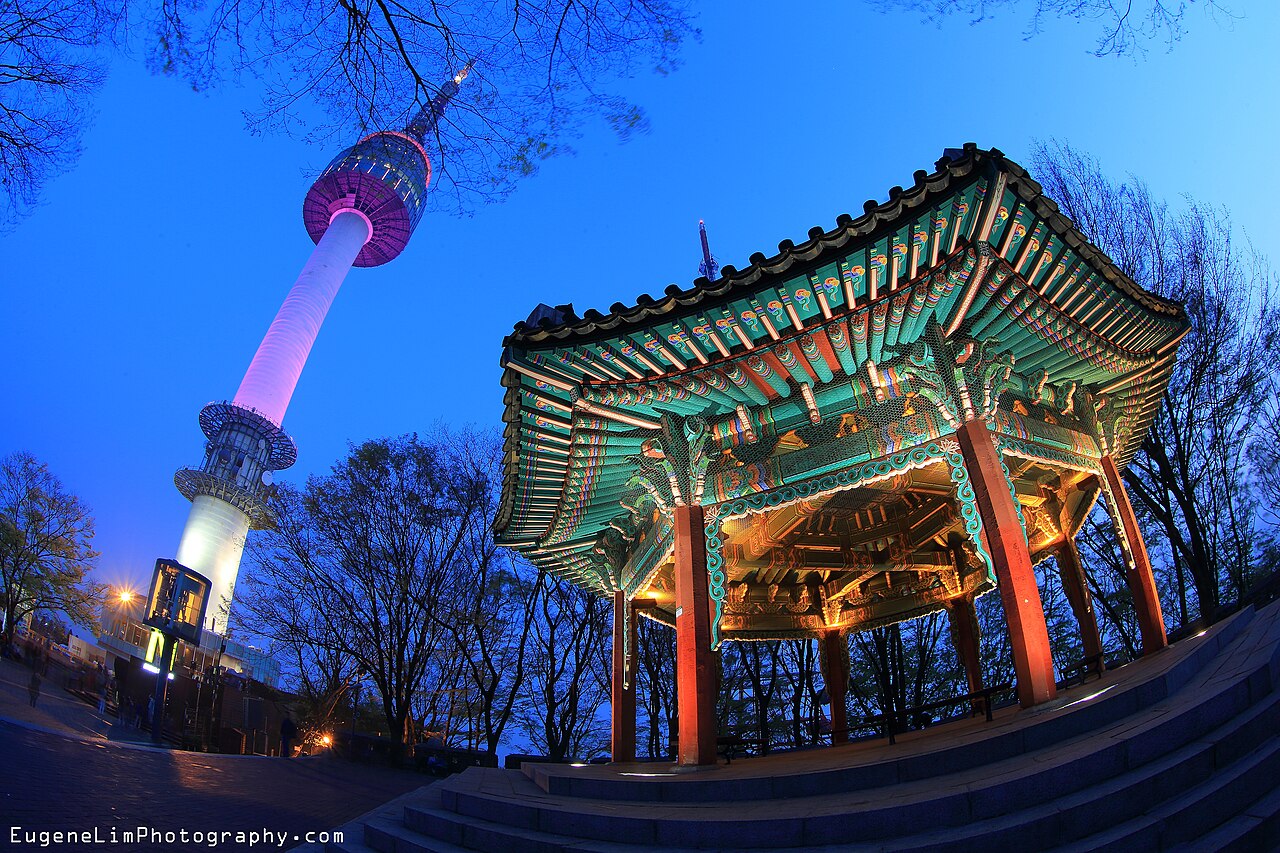
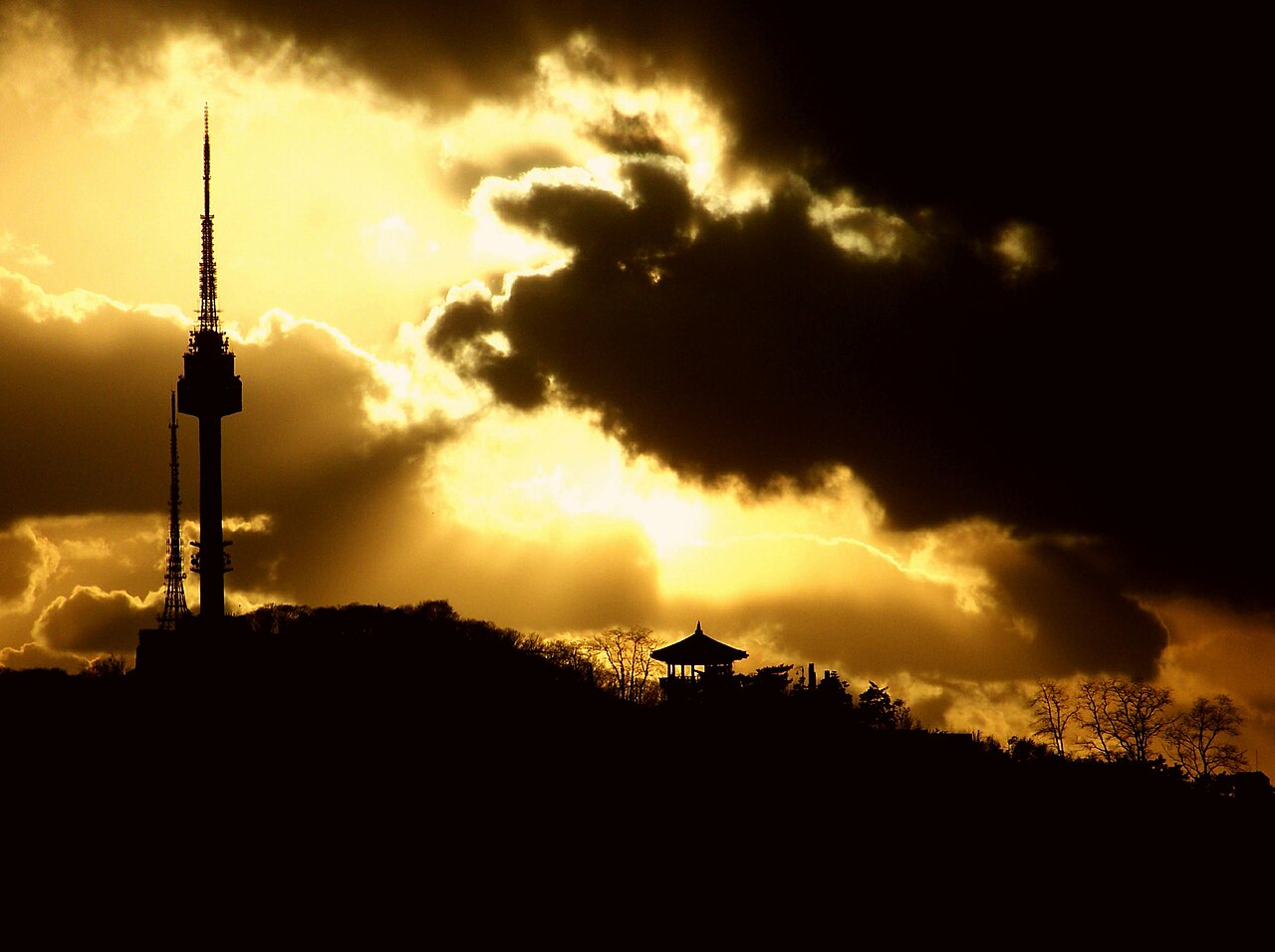
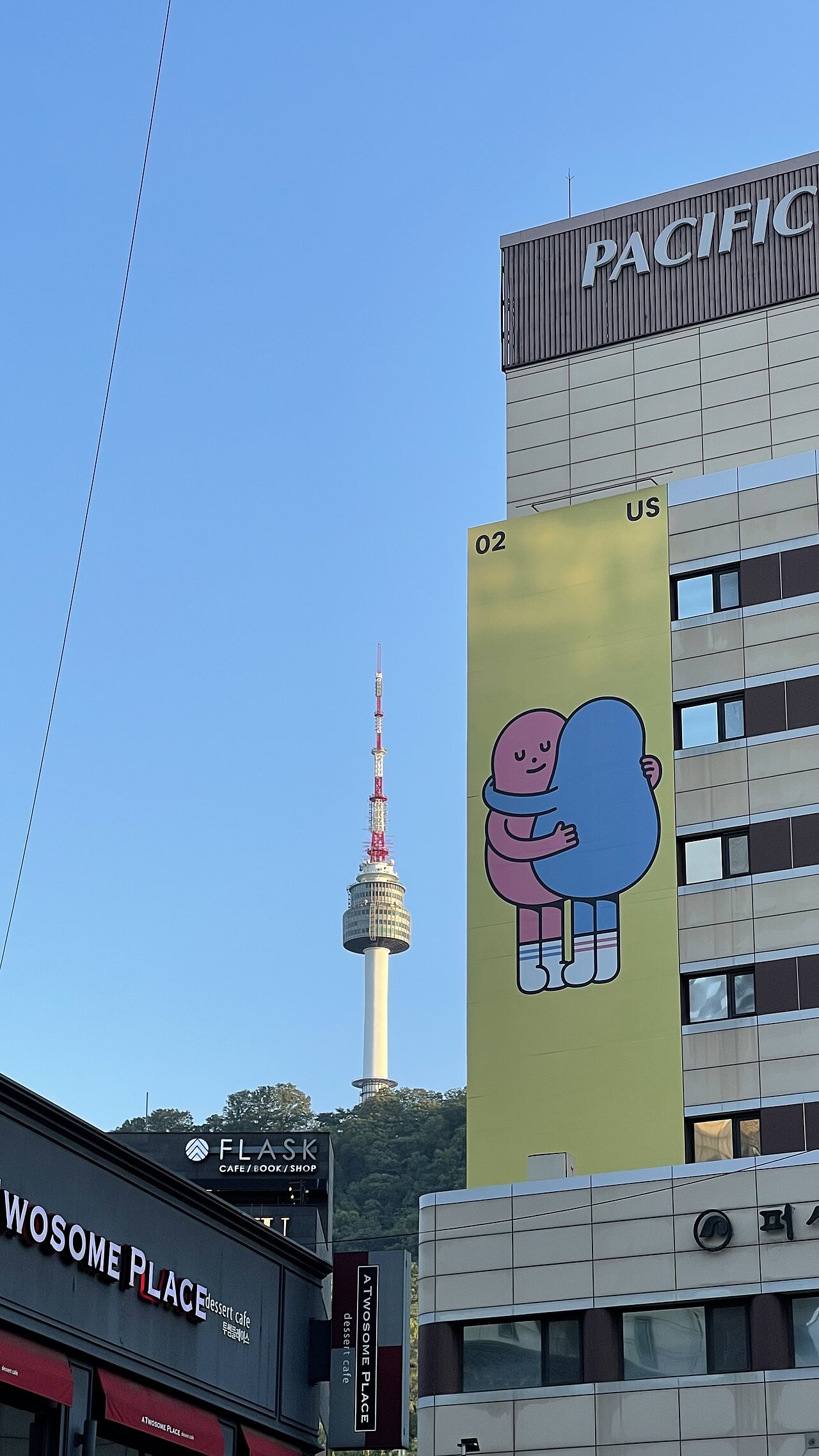
A 236.7m high observation tower rising from the summit of Namsan Mountain in the center of Seoul, offering a 360-degree panoramic view of the city. The railing photo zone where lovers attach locks of love and the nighttime illuminations are particularly beautiful. It is an essential Seoul night view spot that can be reached comfortably by cable car.
Myeongdong (명동)
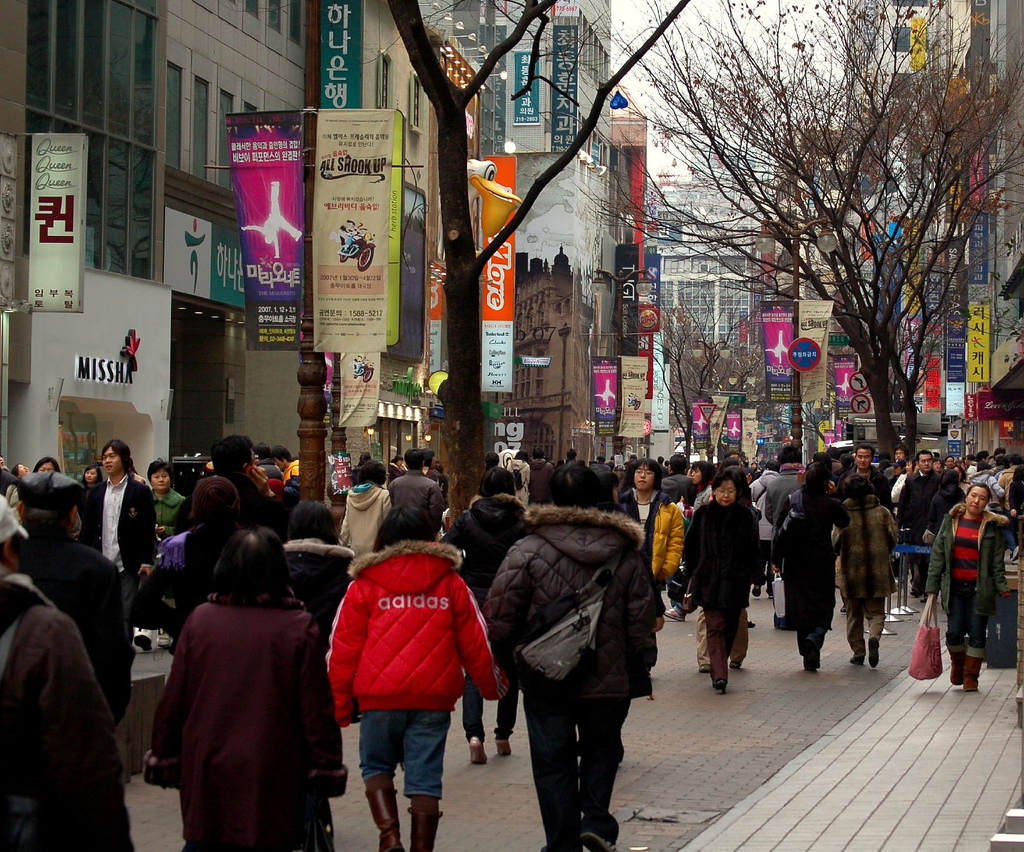
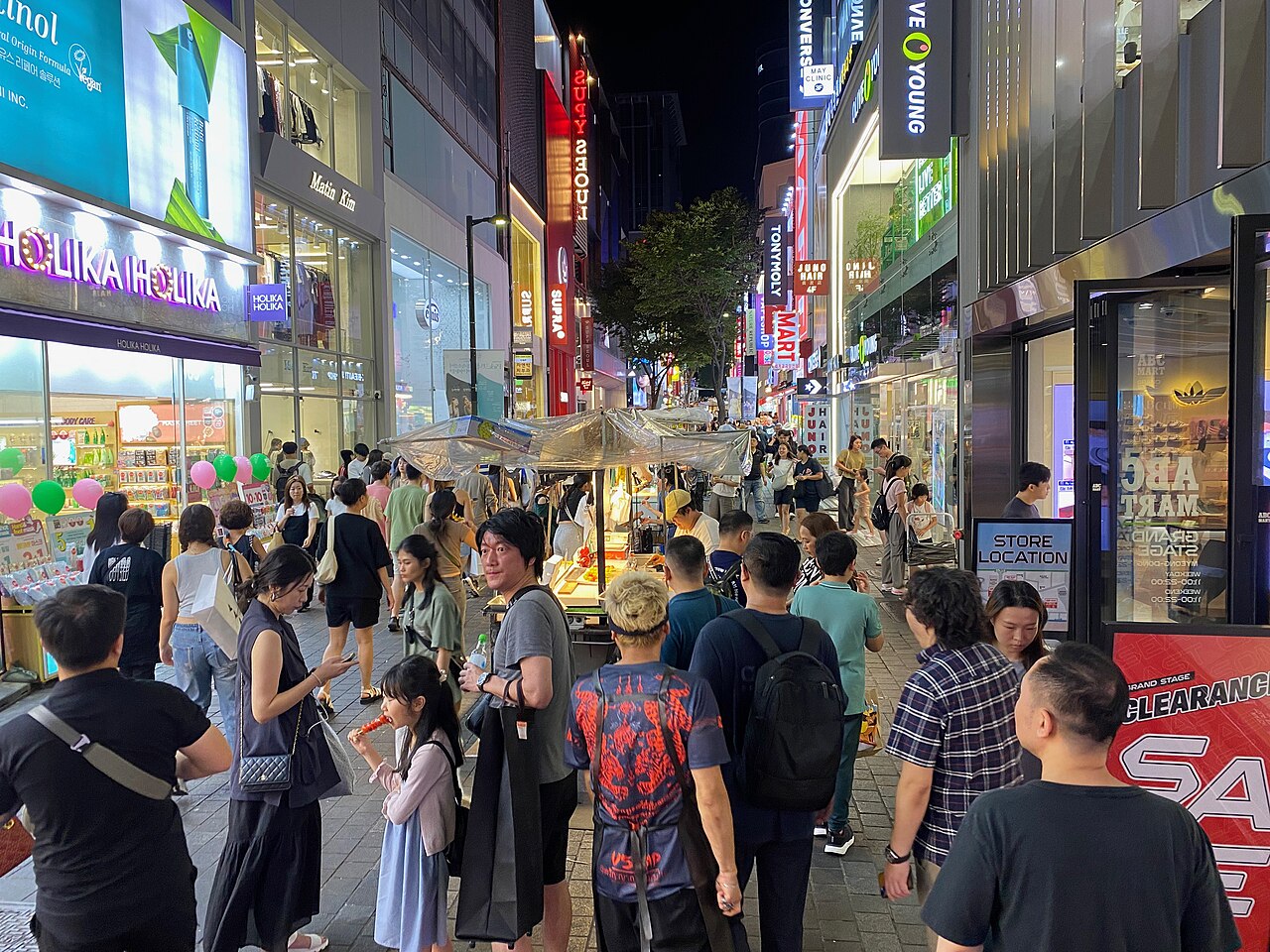
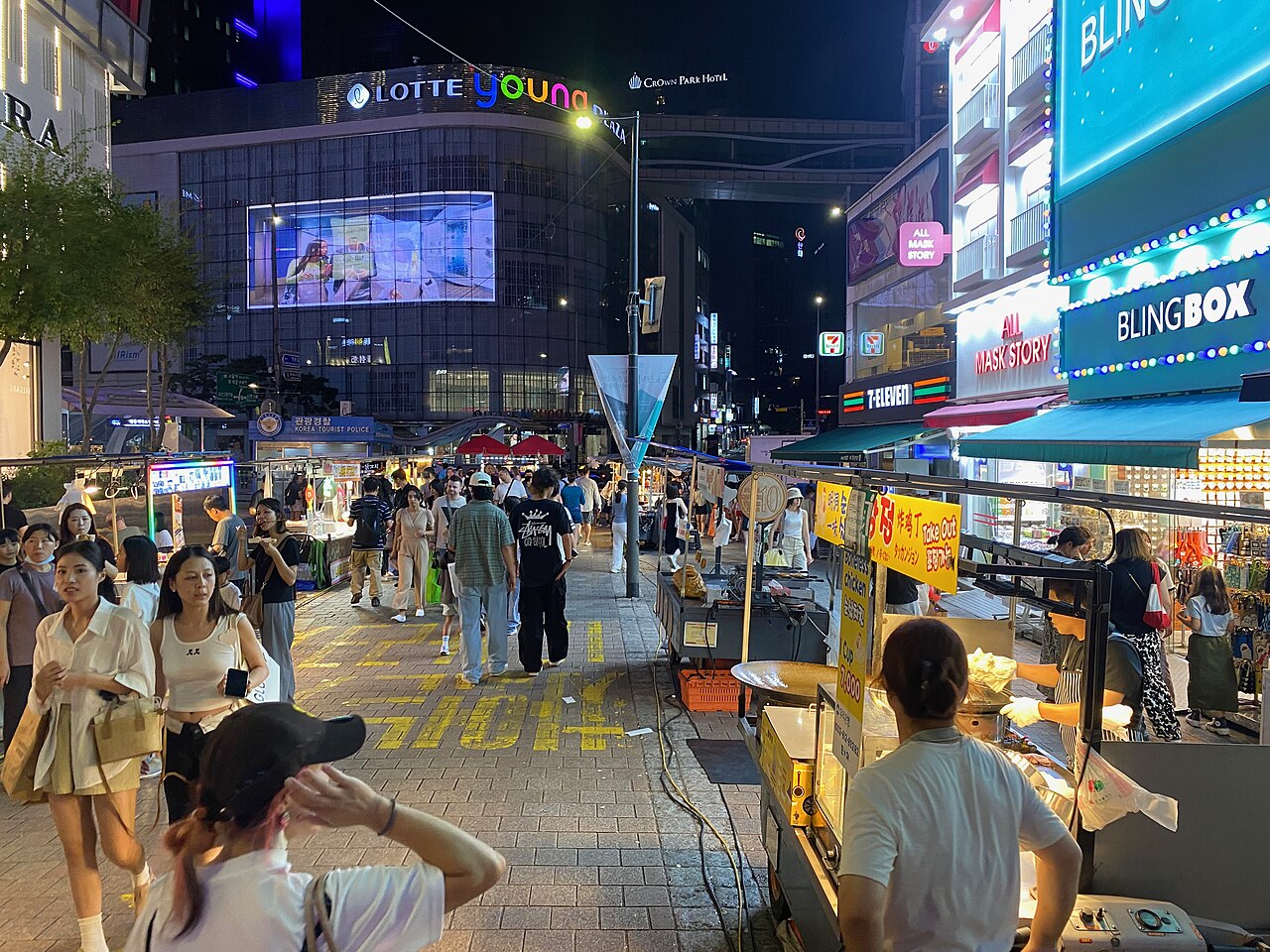
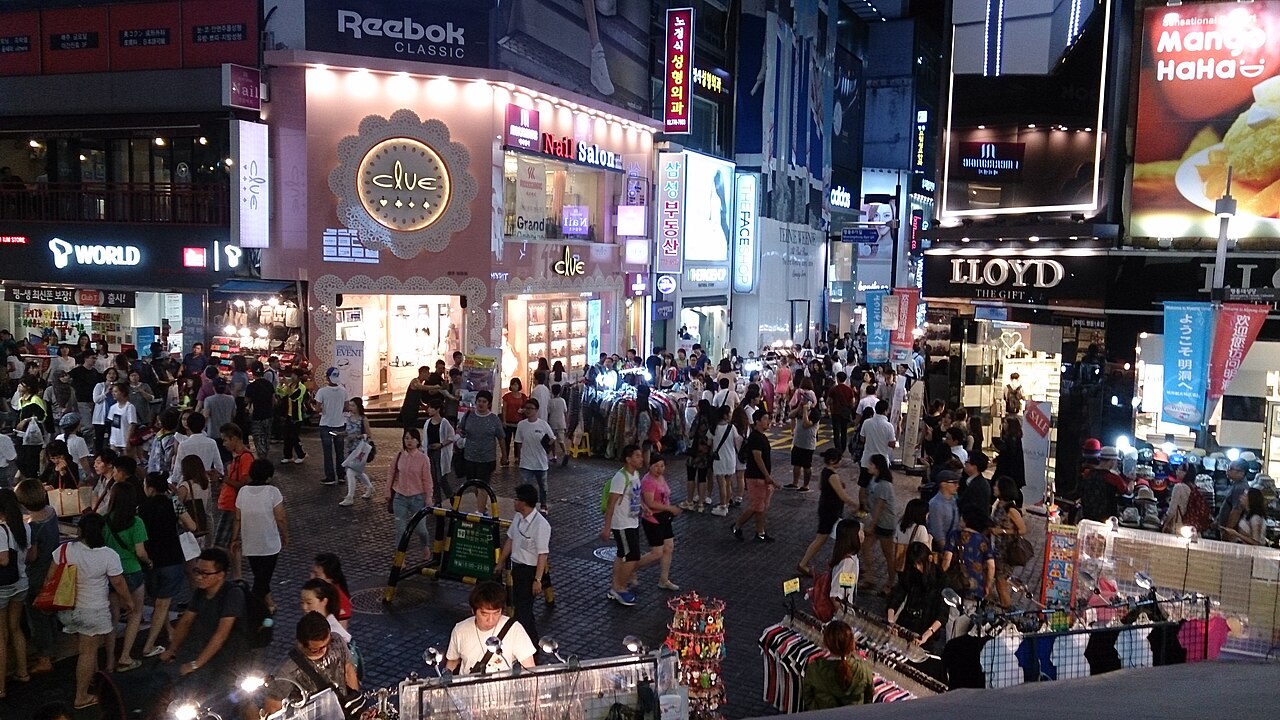
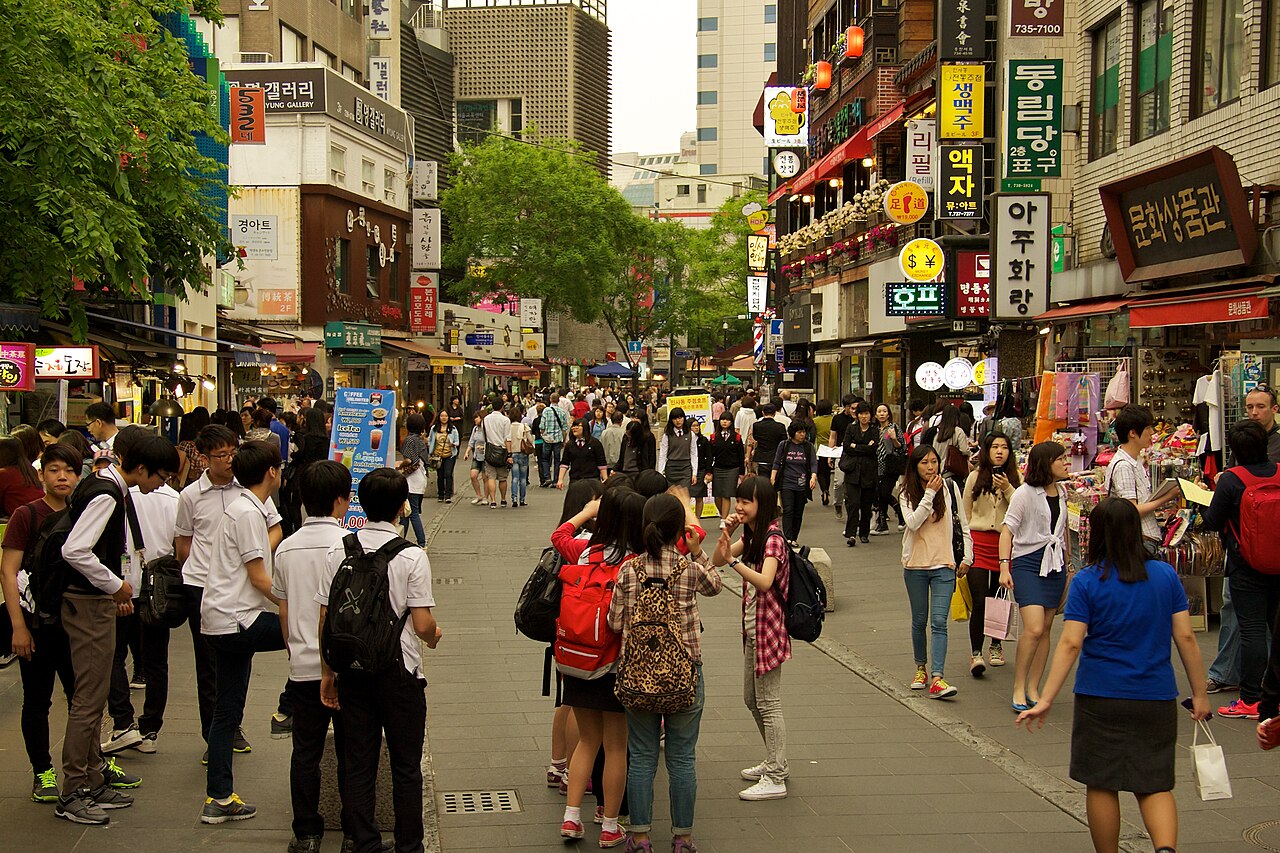
Located in Jung-gu, Seoul, this is South Korea's representative shopping and tourism street, densely packed with cosmetic shops, fashion stores, and various street foods. It is the most visited shopping course in downtown Seoul by foreign tourists, offering sights like the Gothic architecture of Myeongdong Cathedral and the nearby Nanta Theater.
Ikseon-dong Hanok Cafe Street (익선동 한옥카페거리)
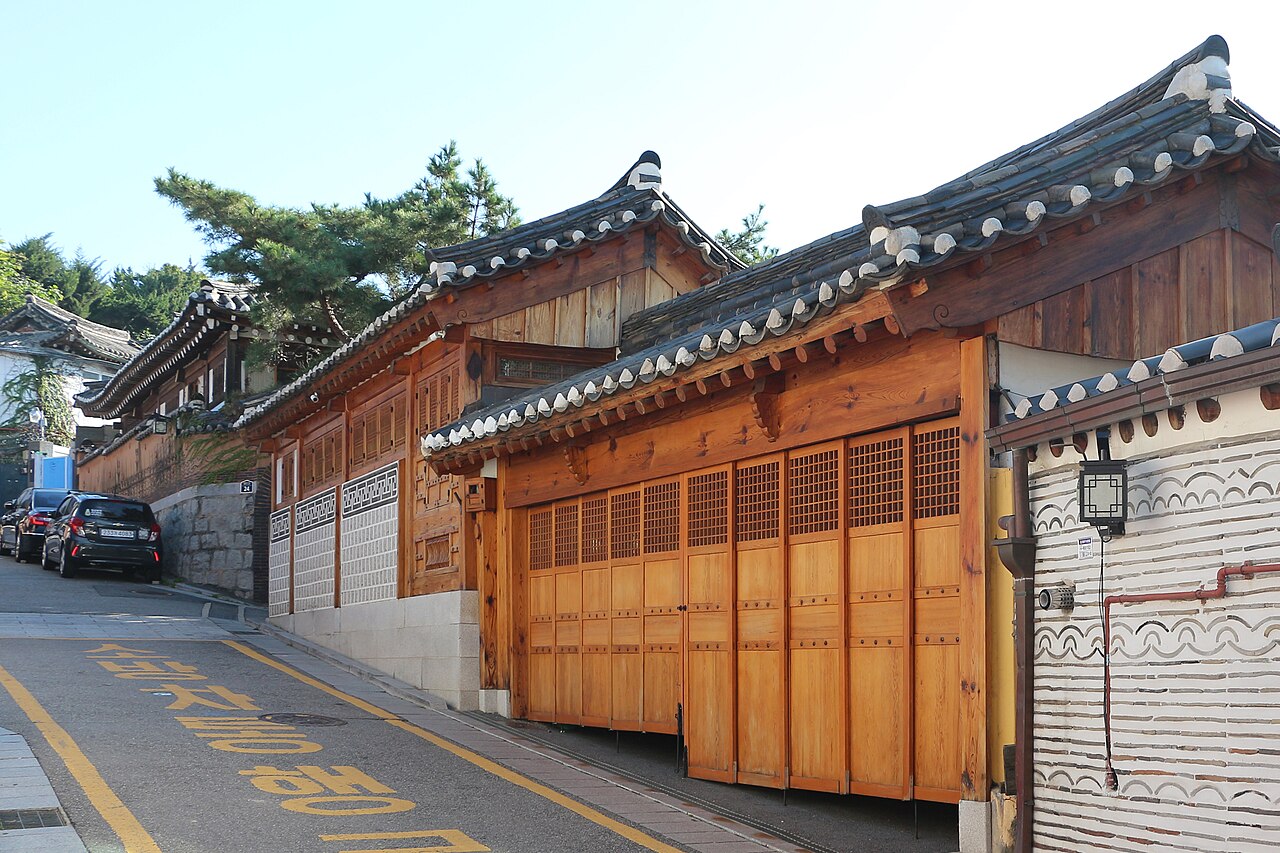
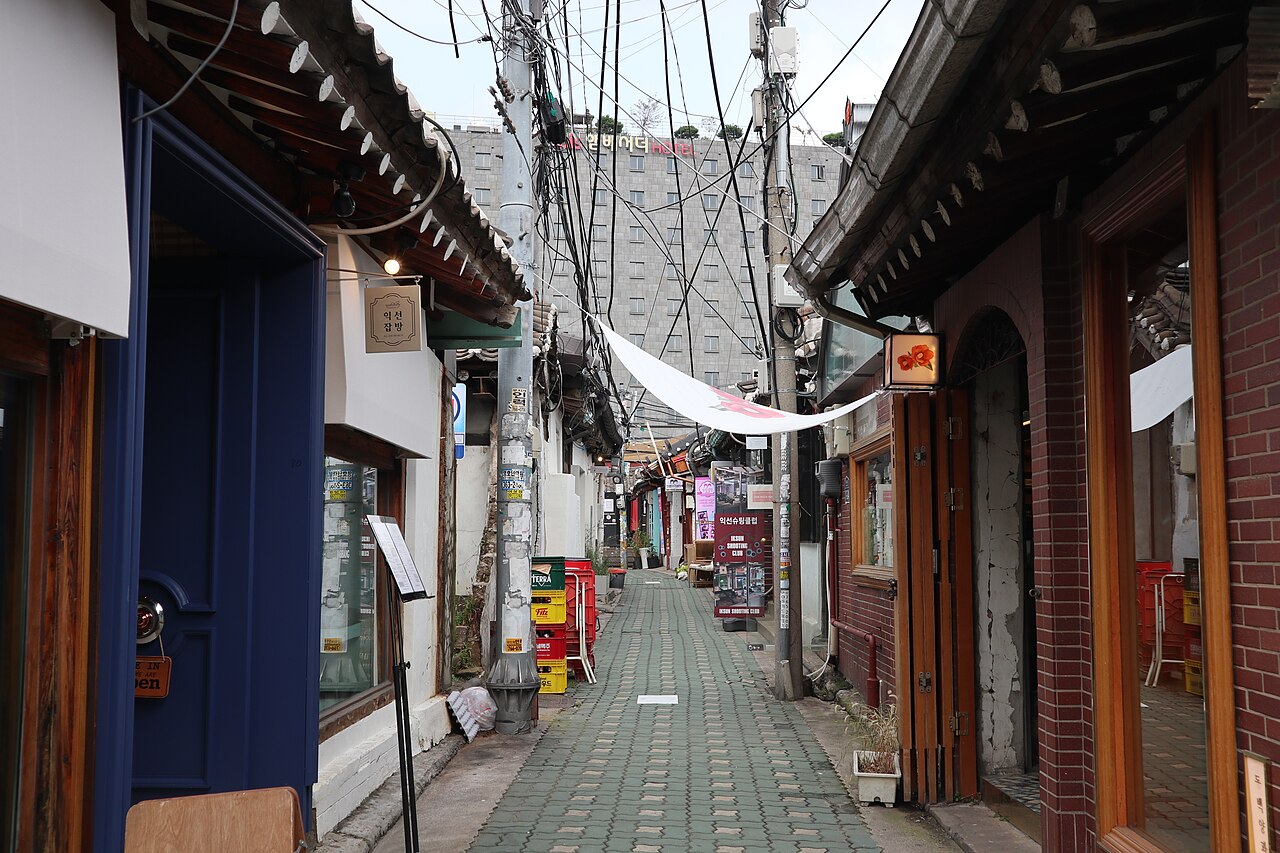
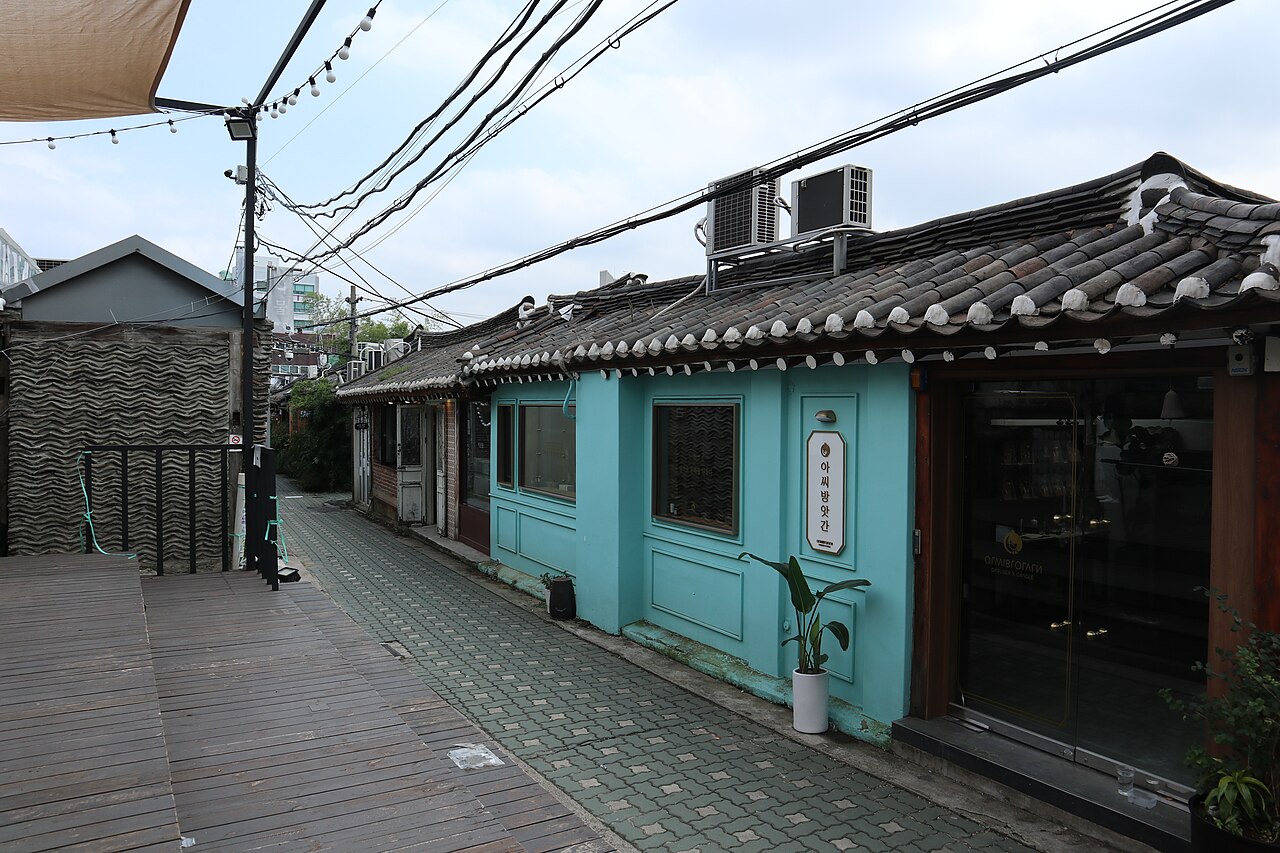
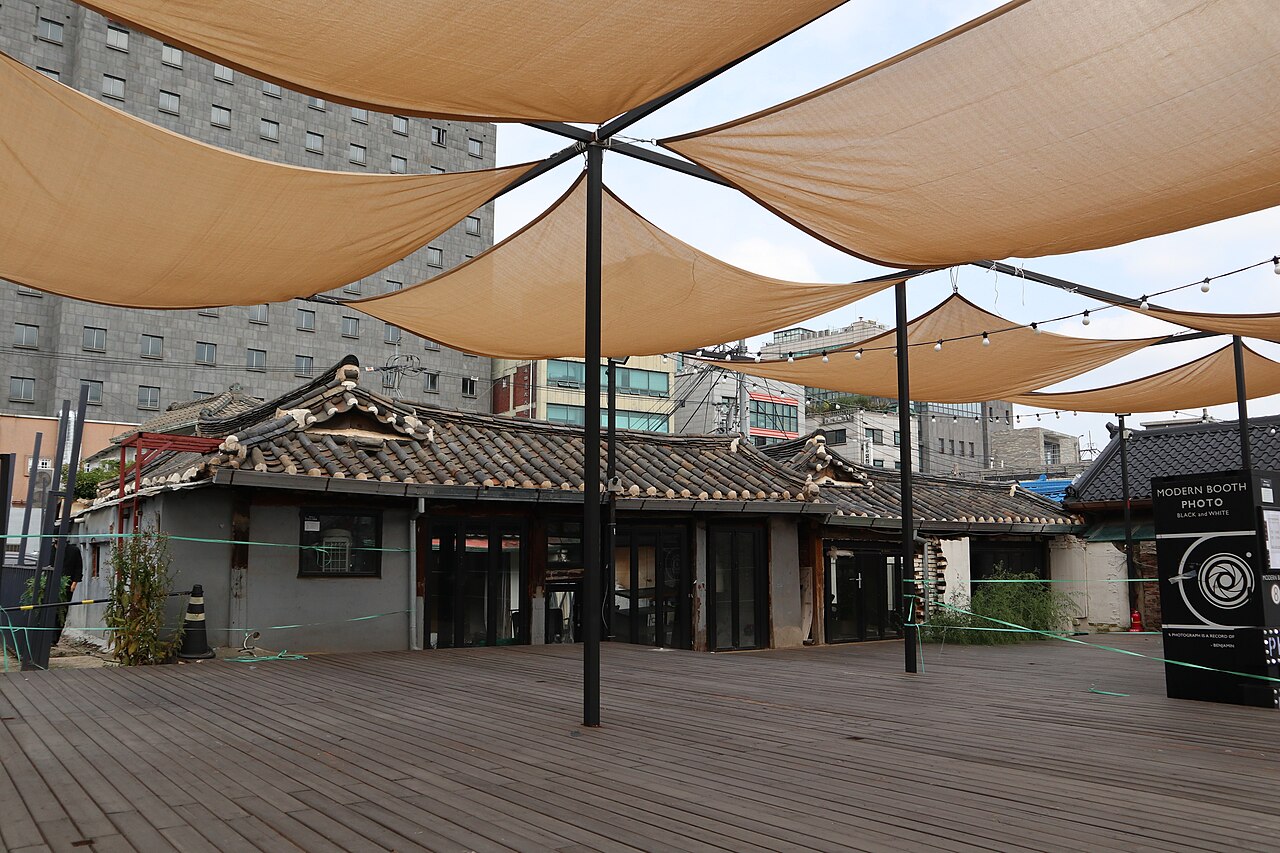
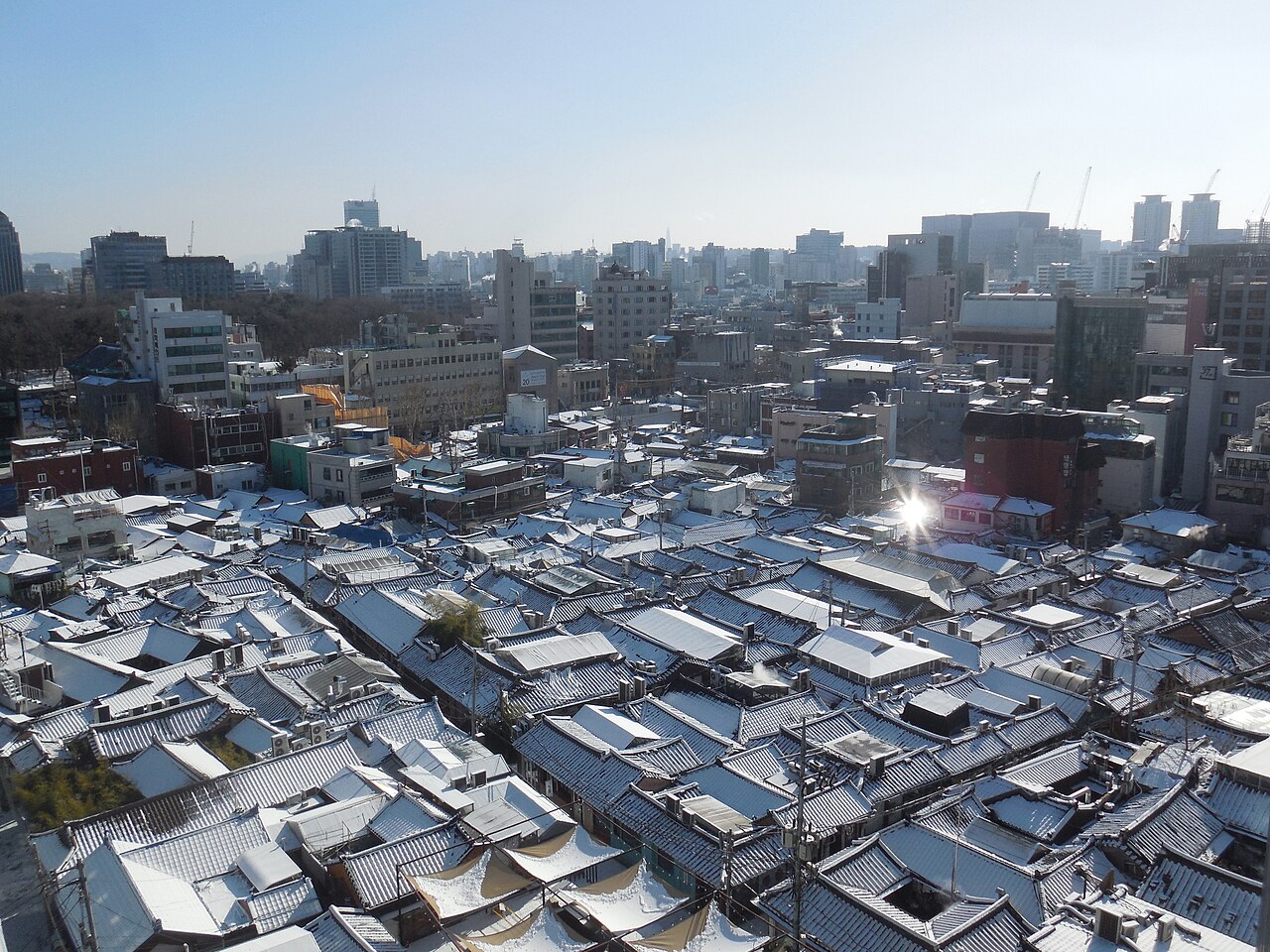
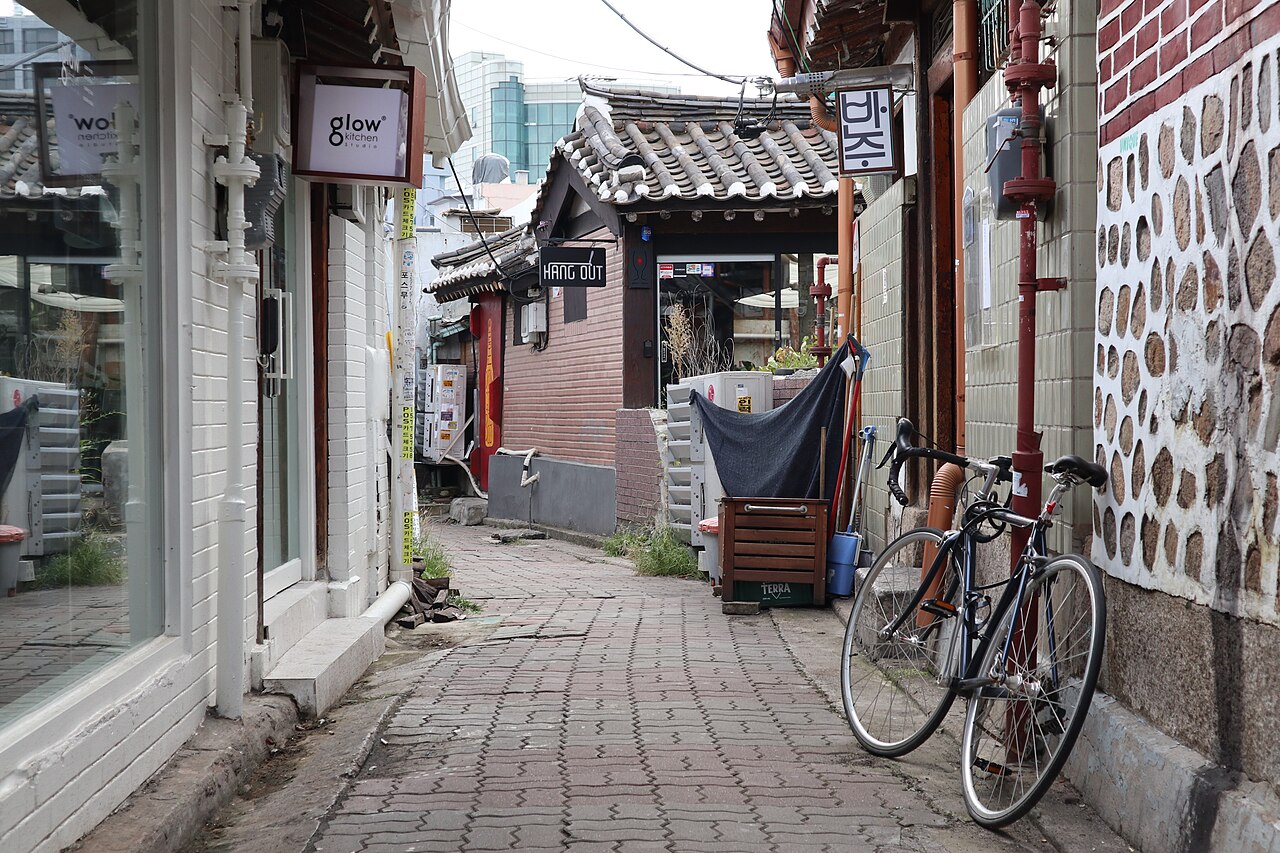
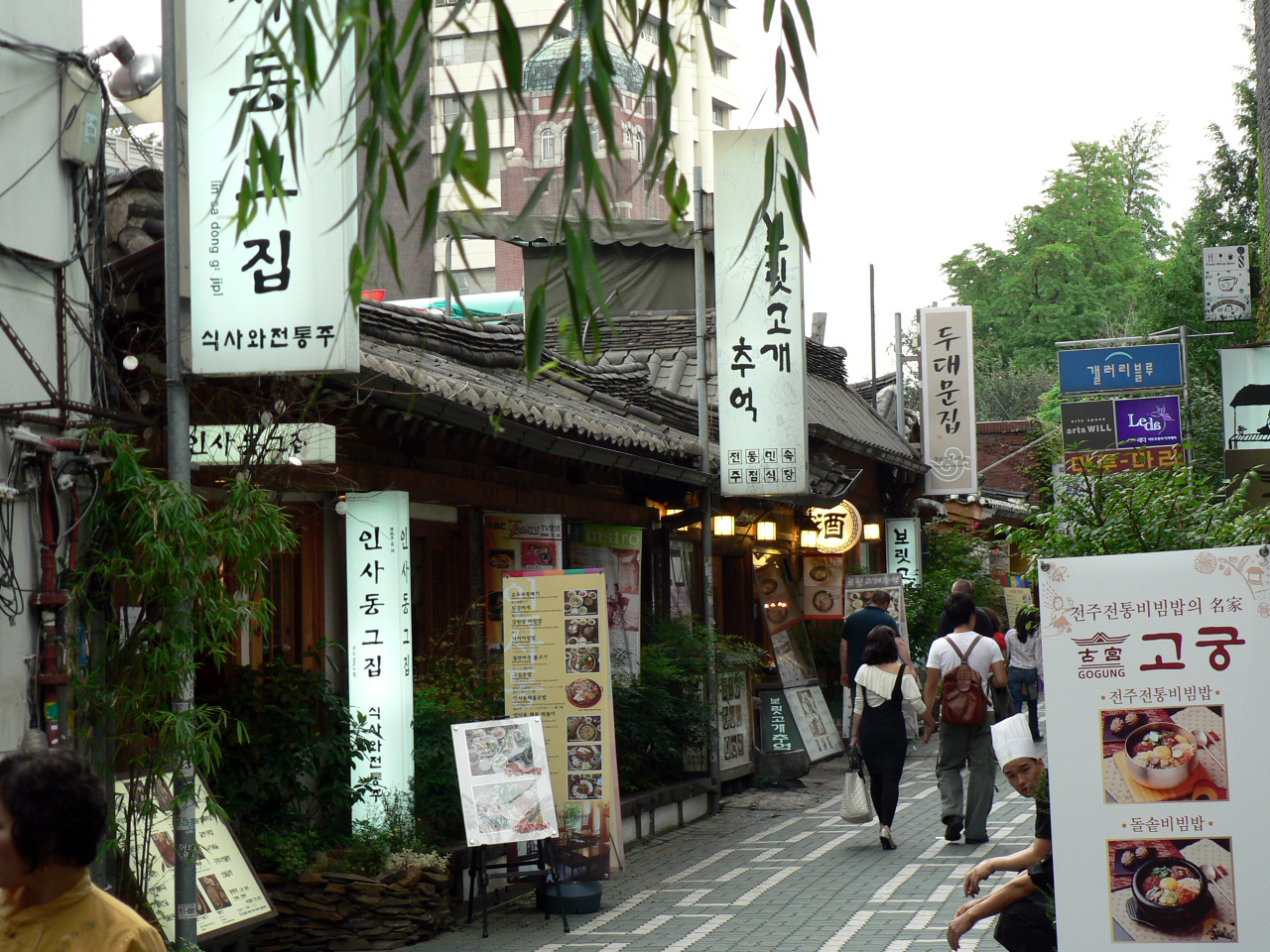
A trendy Seoul hotspot where narrow alleys lined with Hanoks built in the 1920s are filled with emotional cafes, traditional dessert shops, and unique souvenir stores. It is a great course to explore slowly on foot, enjoying tea on traditional floor seating under tiled roofs and taking photos in various alleyway spots.
Gwangjang Market (광장시장)
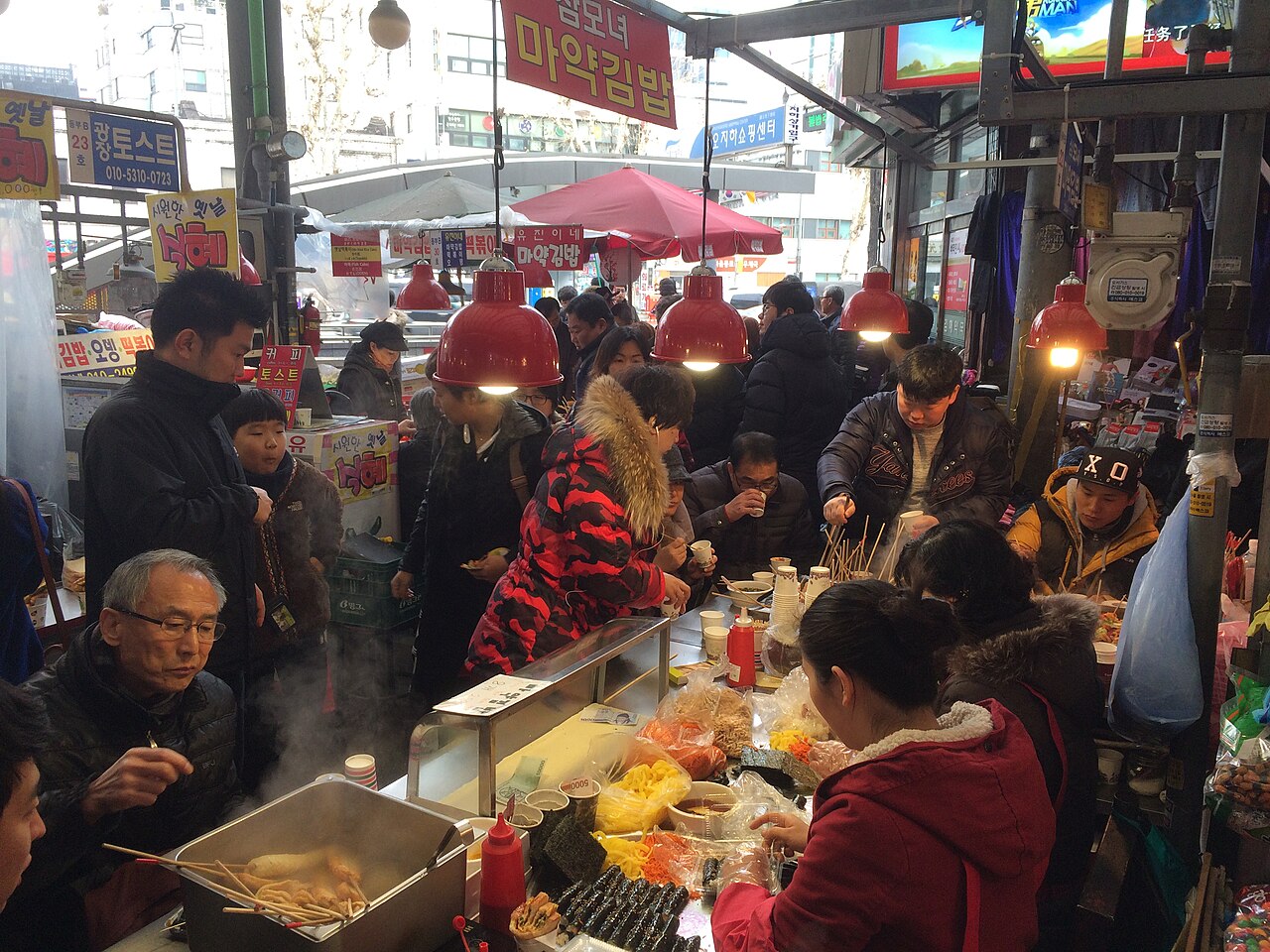
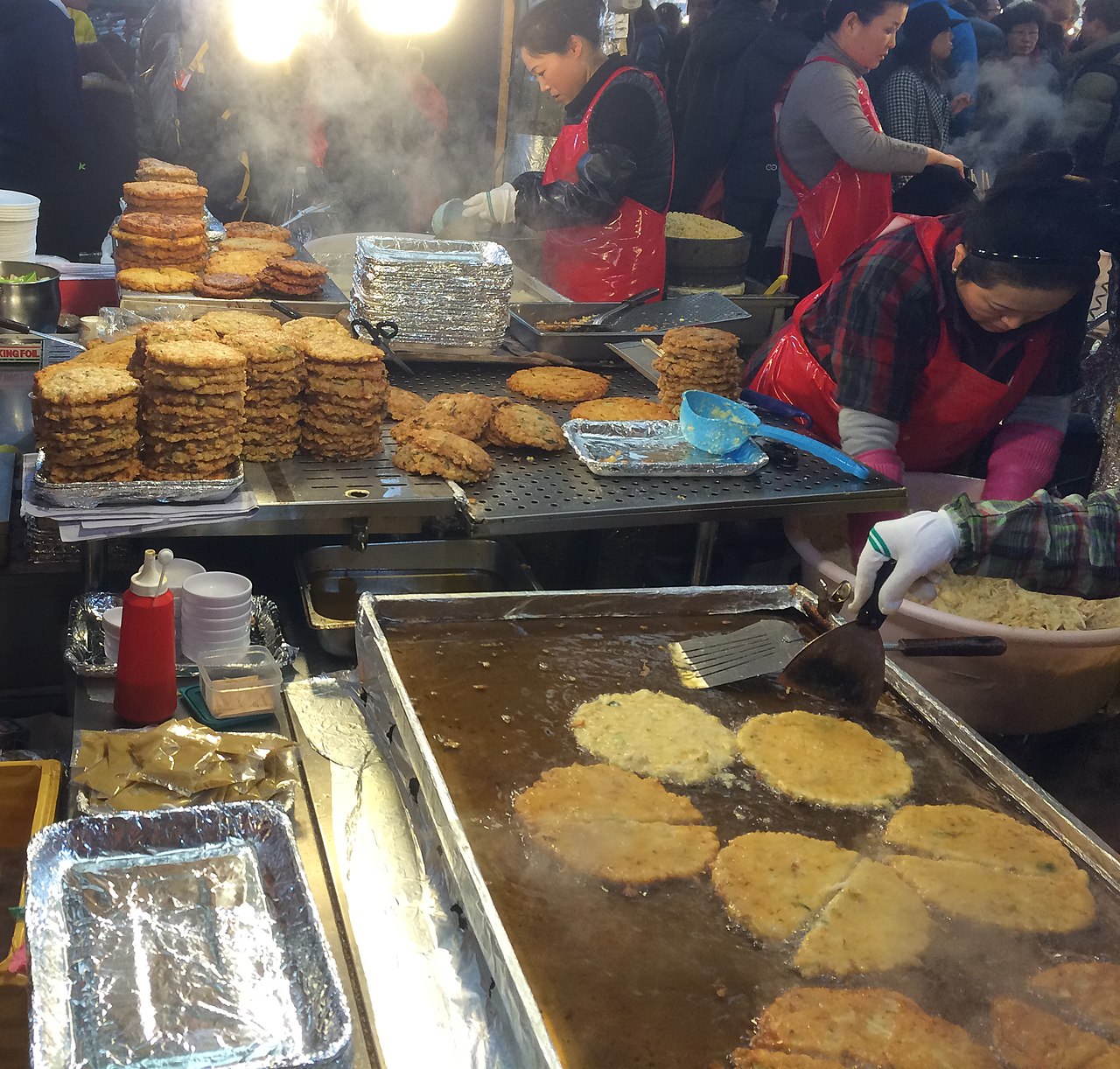
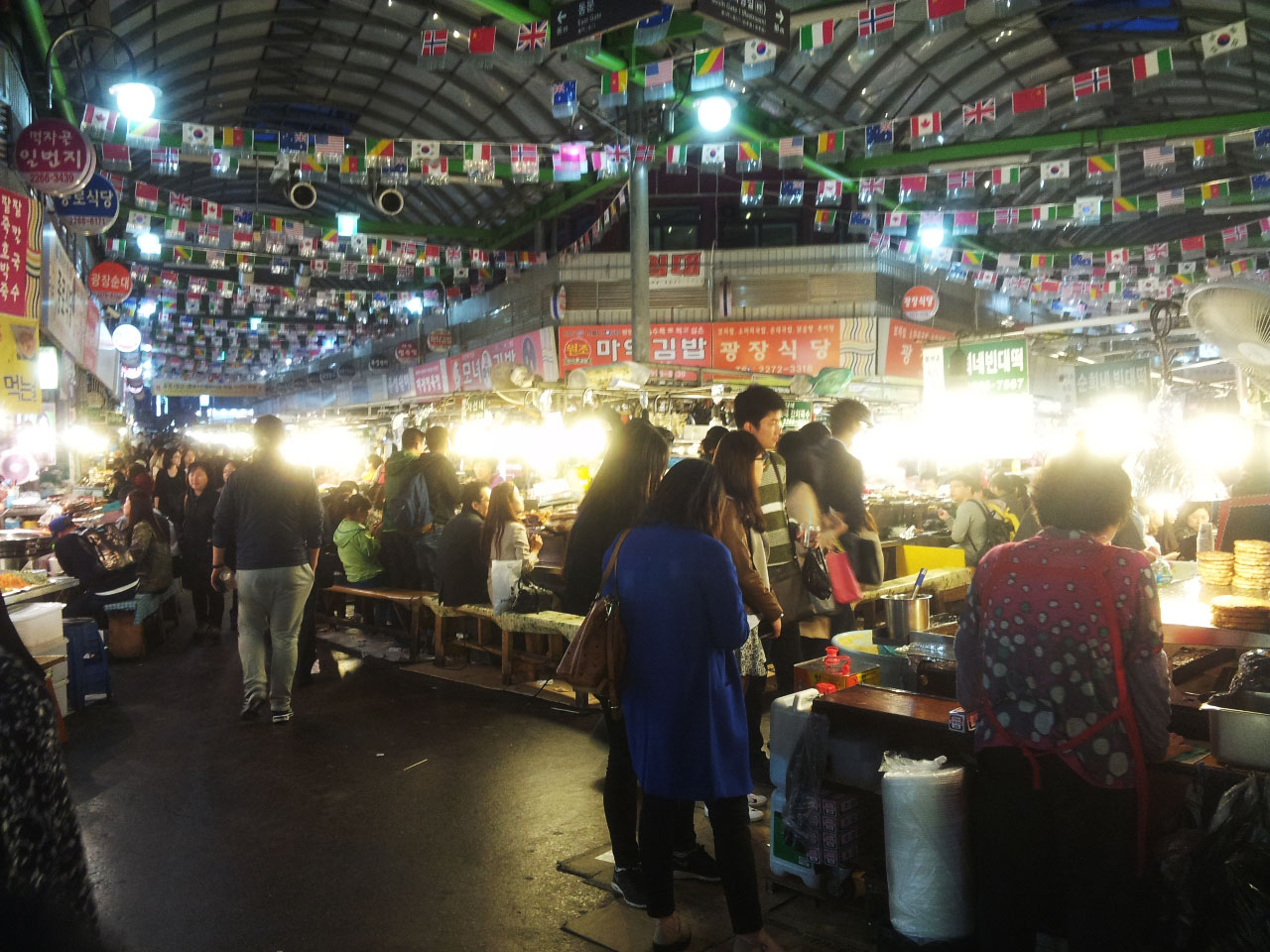
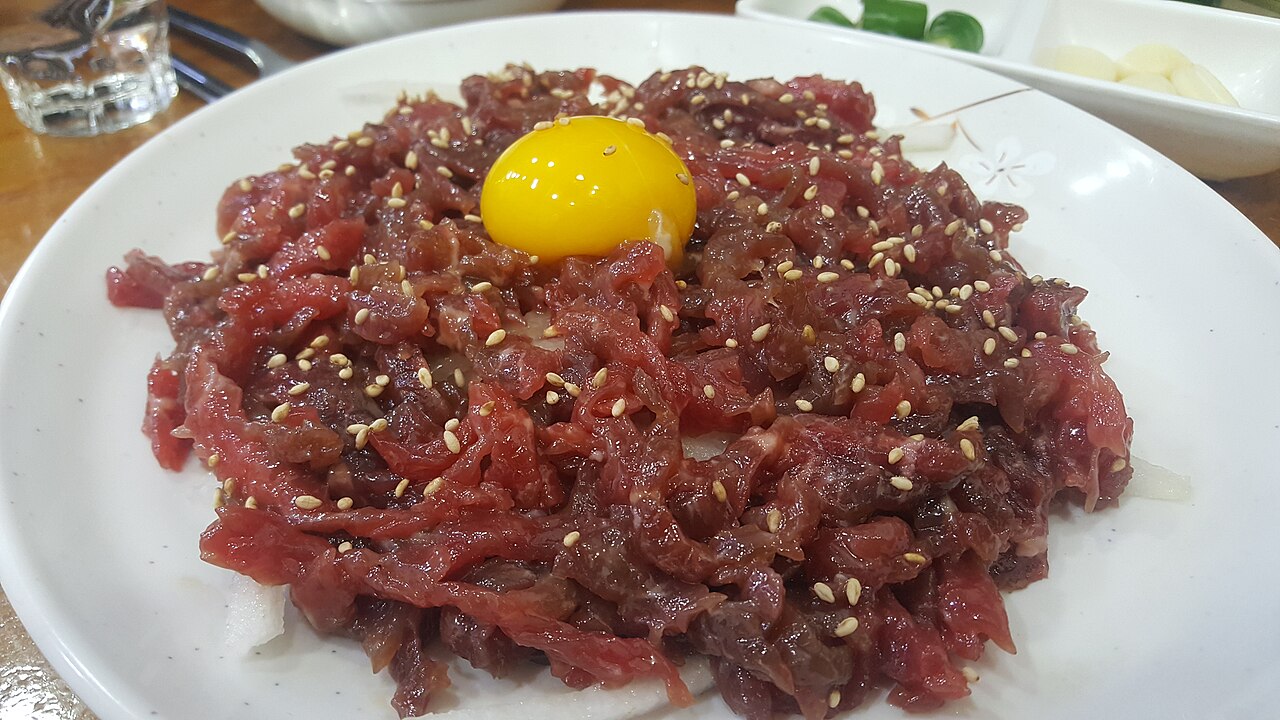
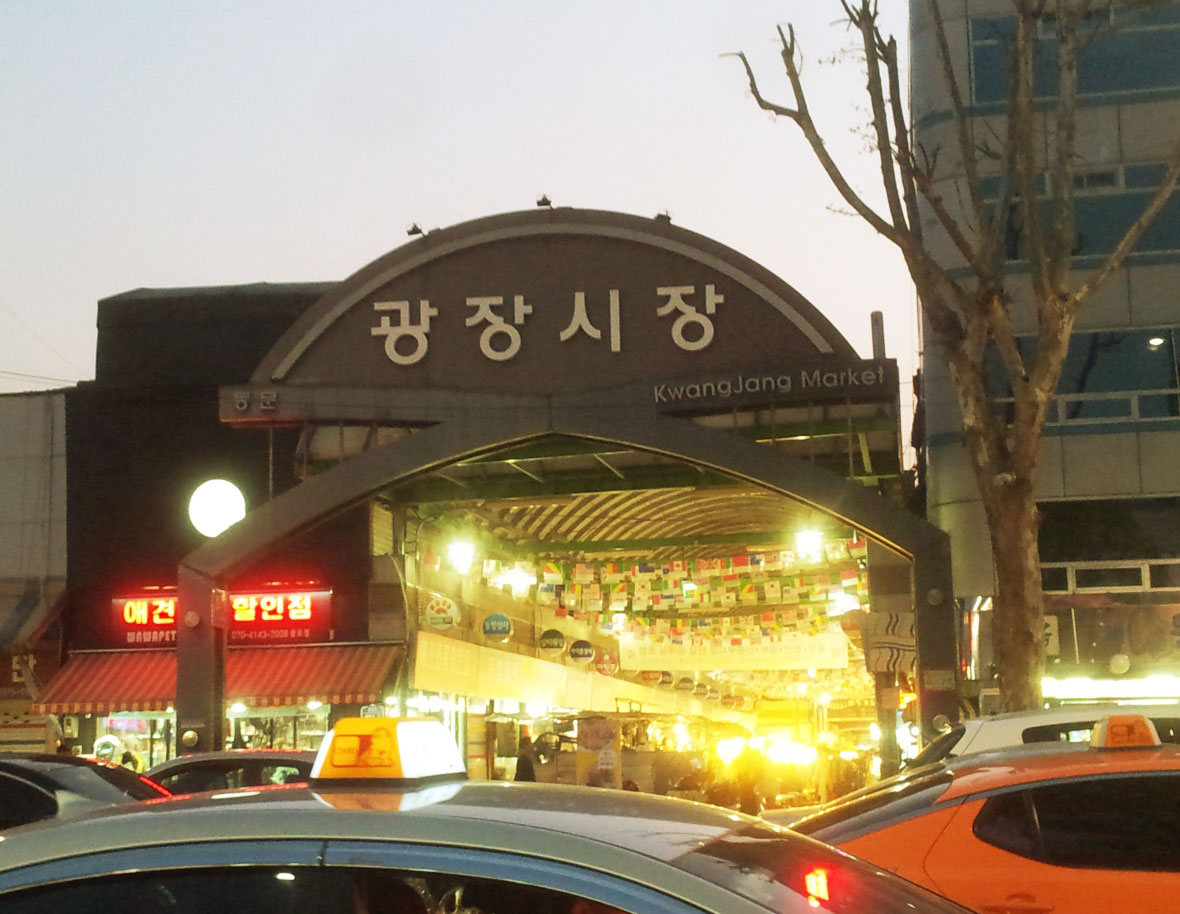
Established in 1905 as Korea's first permanent market, its center is filled with famous food alleys serving bindaetteok (mung bean pancakes), mayak gimbap, and yukhoe (beef tartare). It has become famous enough to attract over 2 million foreign tourists annually, and the lively atmosphere of sitting on stools and eating among locals is the highlight of a Seoul gourmet course.
Tosokchon Samgyetang (토속촌 삼계탕)
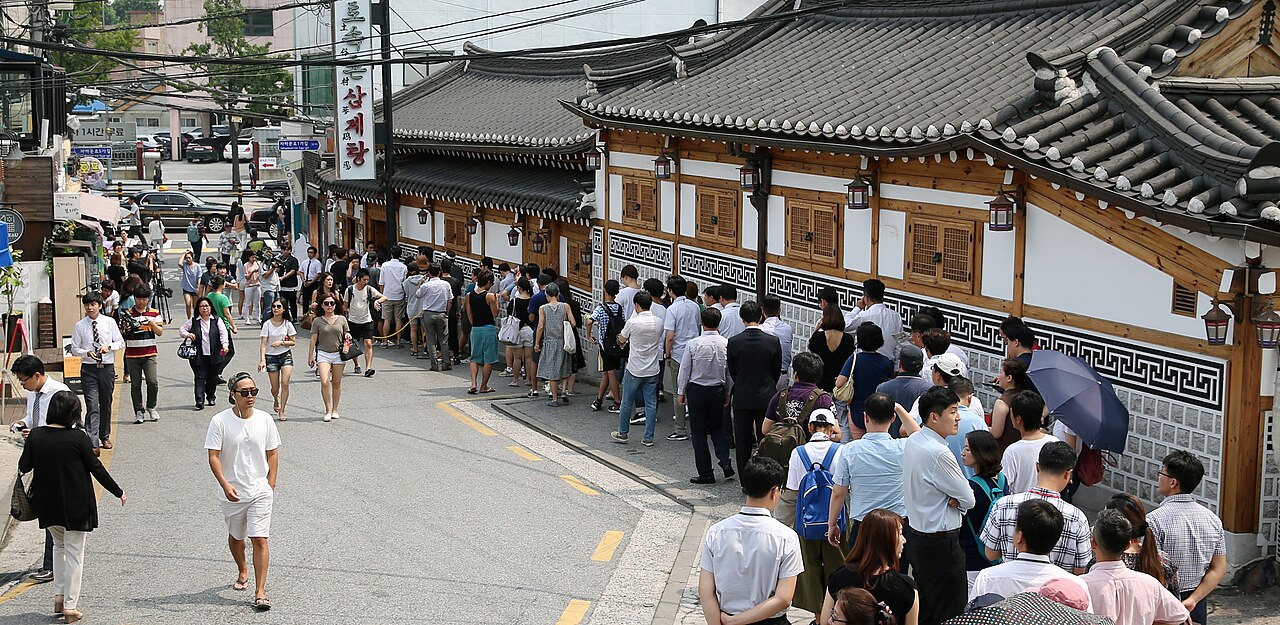
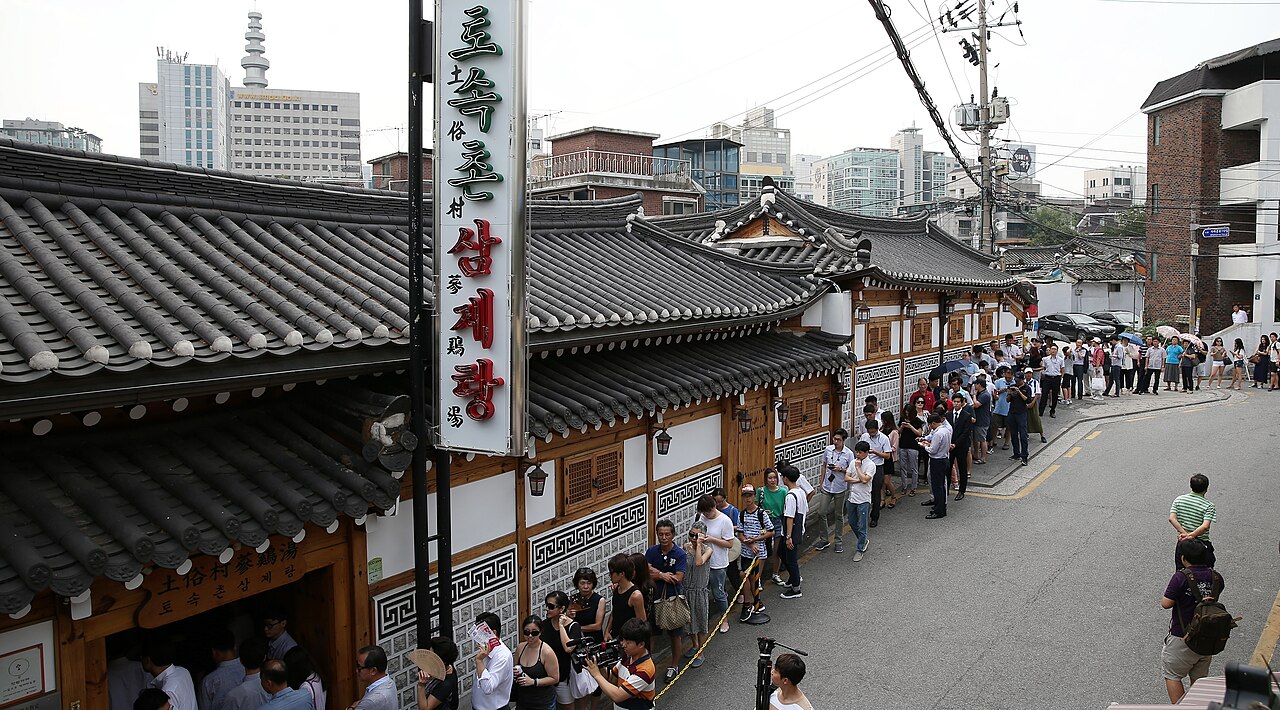
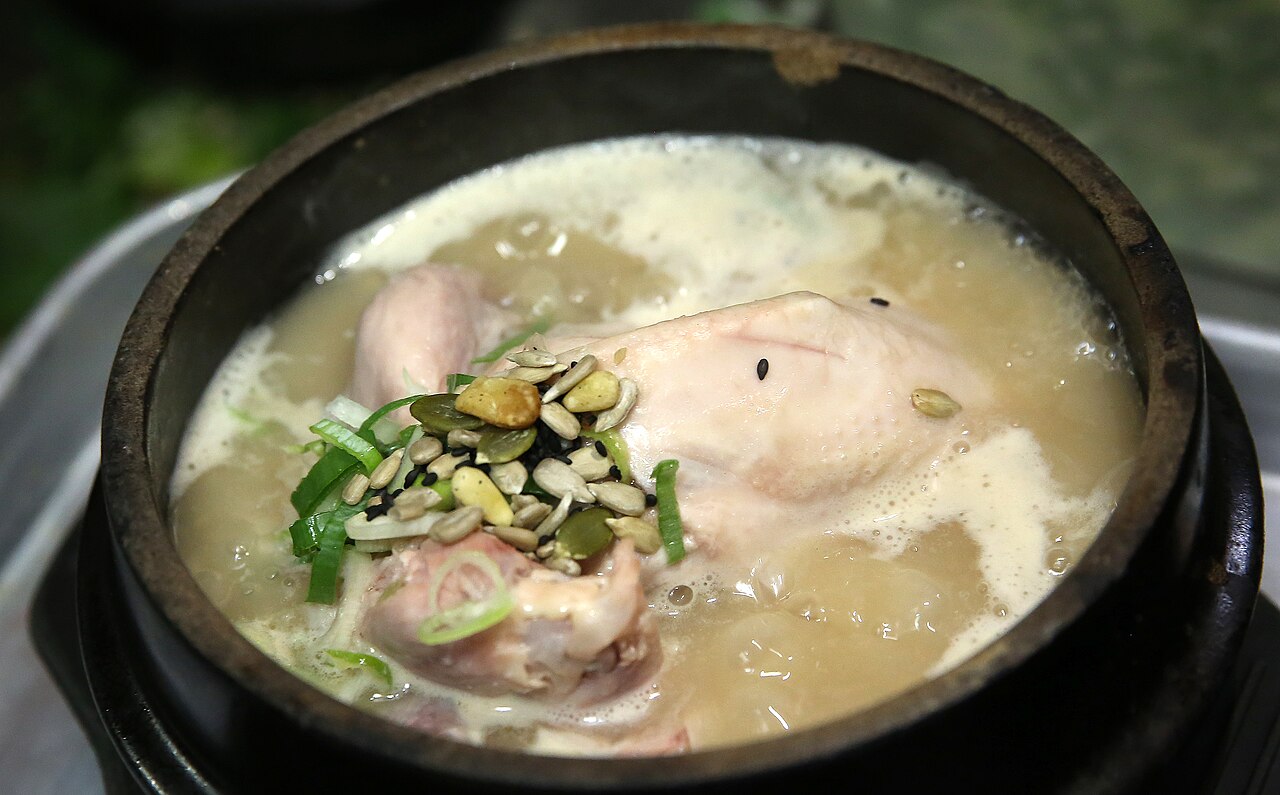
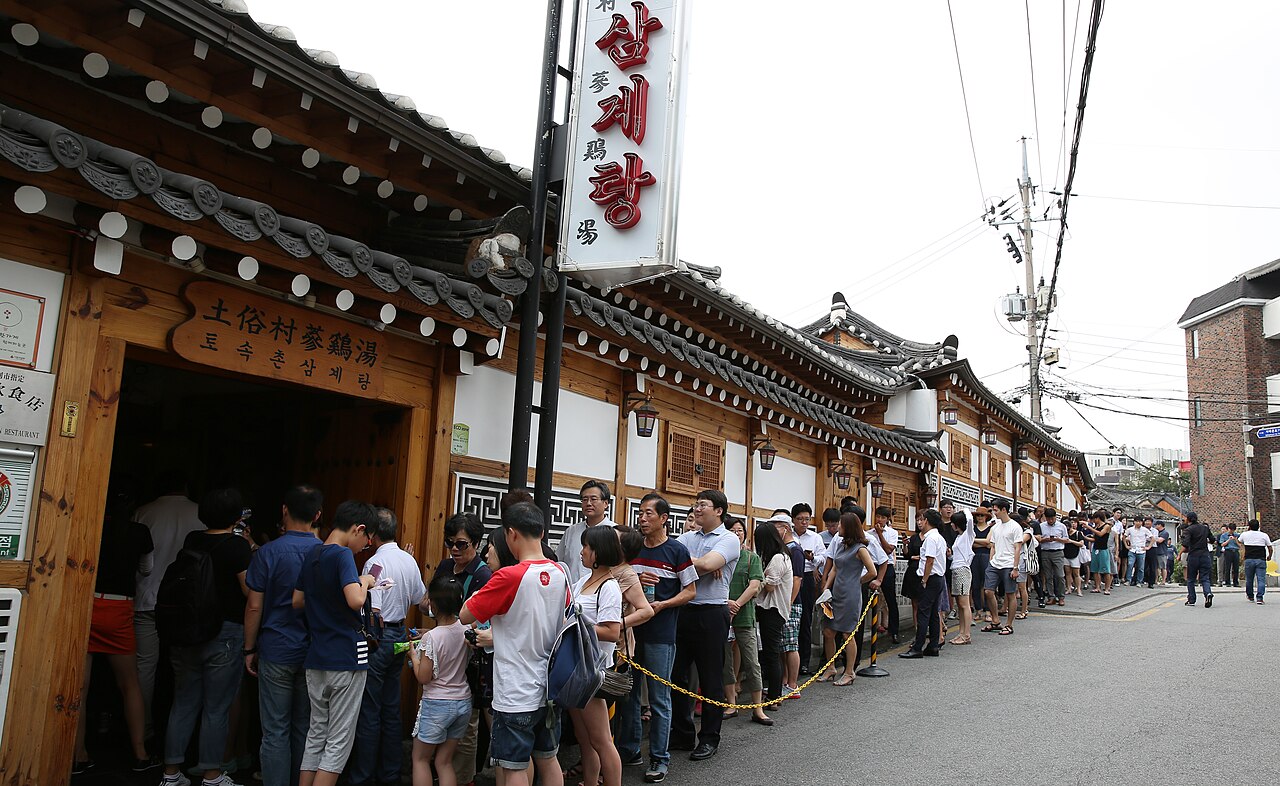
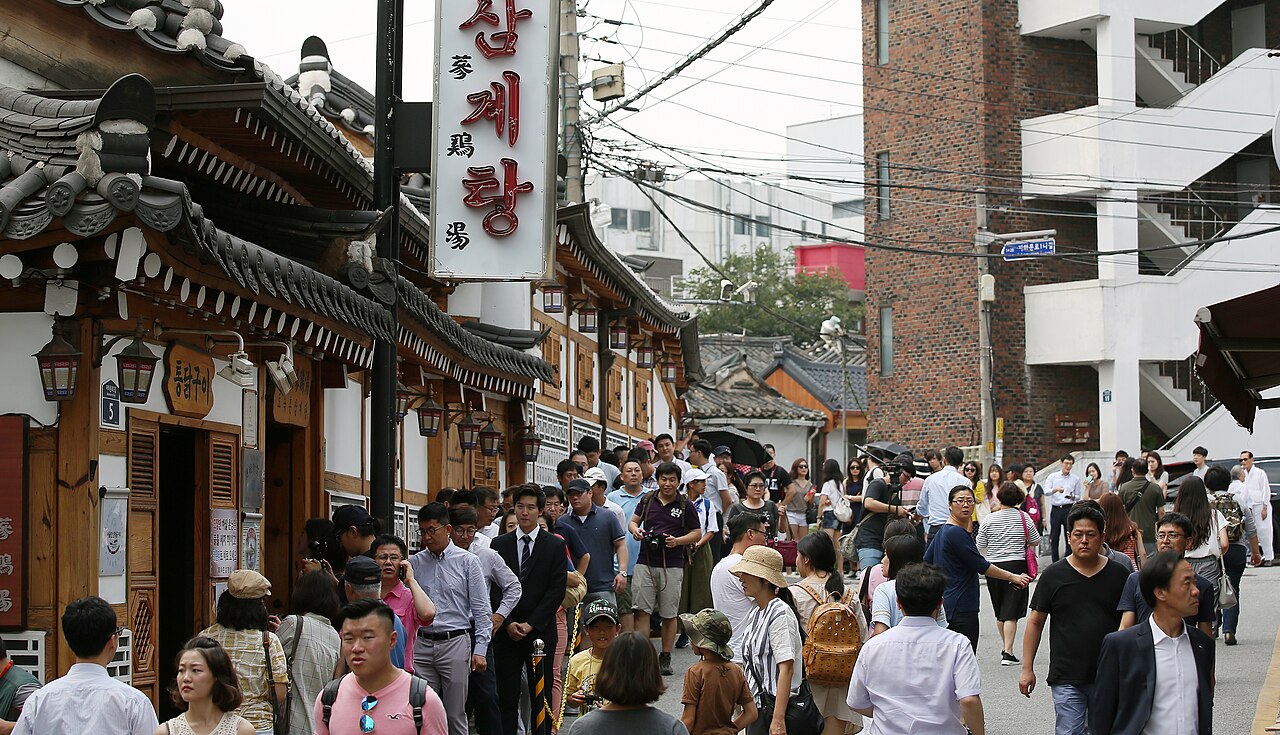
Opened in 1983 and known as a 'Presidential Restaurant' frequented by past presidents, this 400-seat Samgyetang (ginseng chicken soup) specialty restaurant is famous for its thick broth brewed with ten herbal ingredients like ginseng, milk vetch root, and jujube. Located a 5-minute walk from Gyeongbokgung, it is a great group dining course following a palace visit.
Seongsu-dong (성수동)
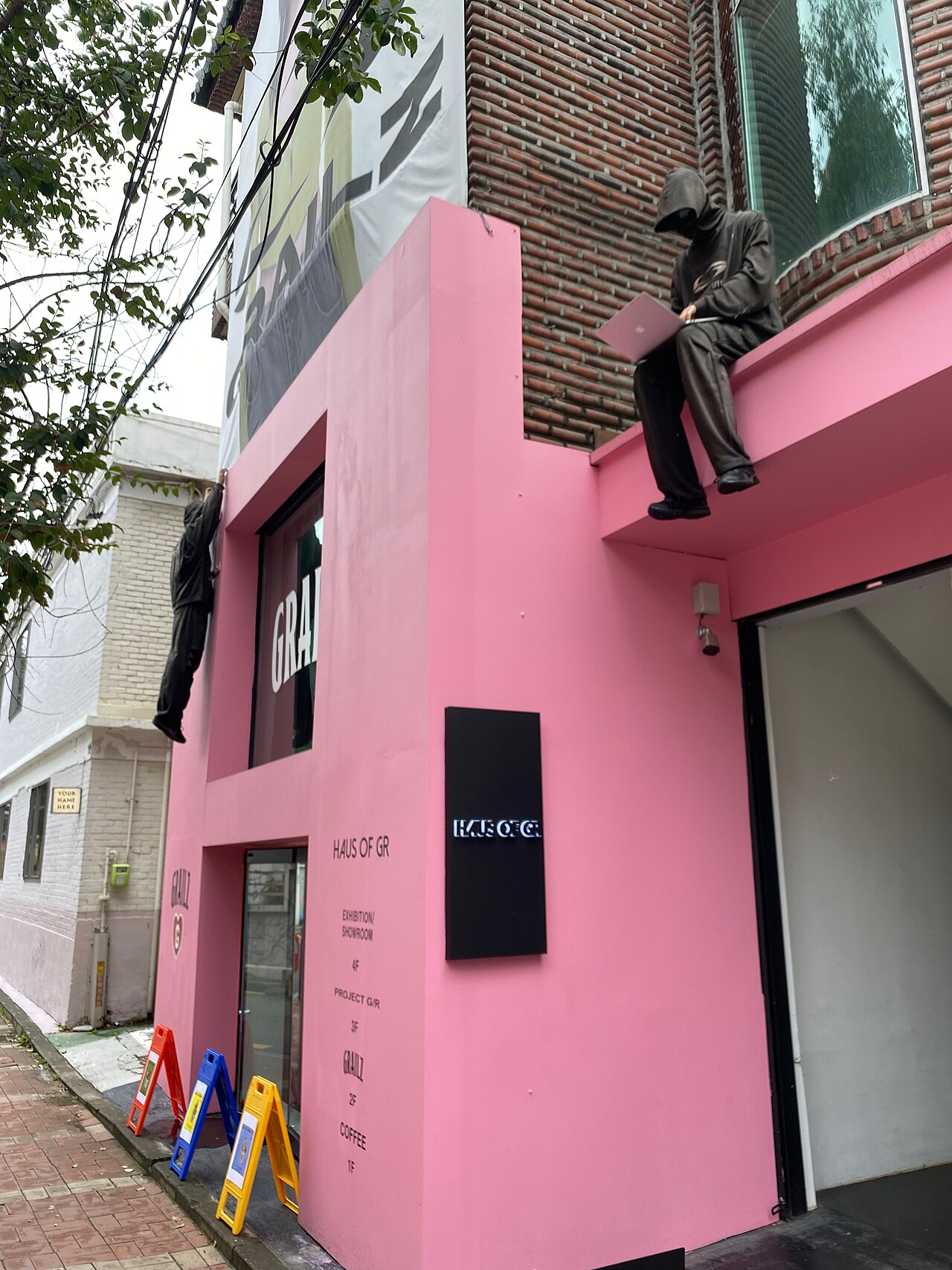
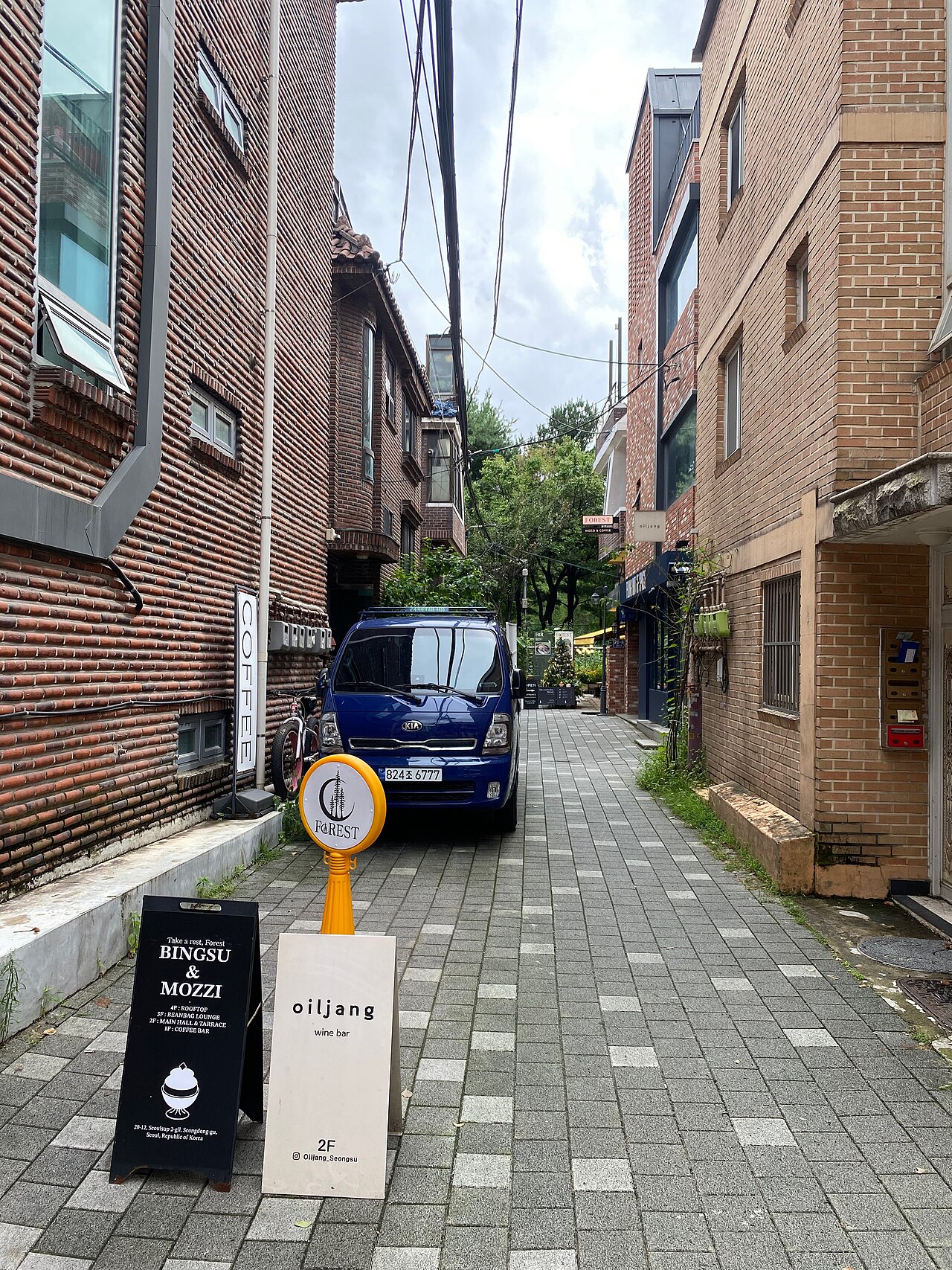
An alleyway once filled with old shoe factories and printing shops has transformed into the 'Brooklyn of Seoul,' a top hotspot for the 20s and 30s filled with stylish cafes, select shops, and global brand flagship stores. A day feels short while exploring the pop-up stores and large murals that line every alley.
Everland (에버랜드)
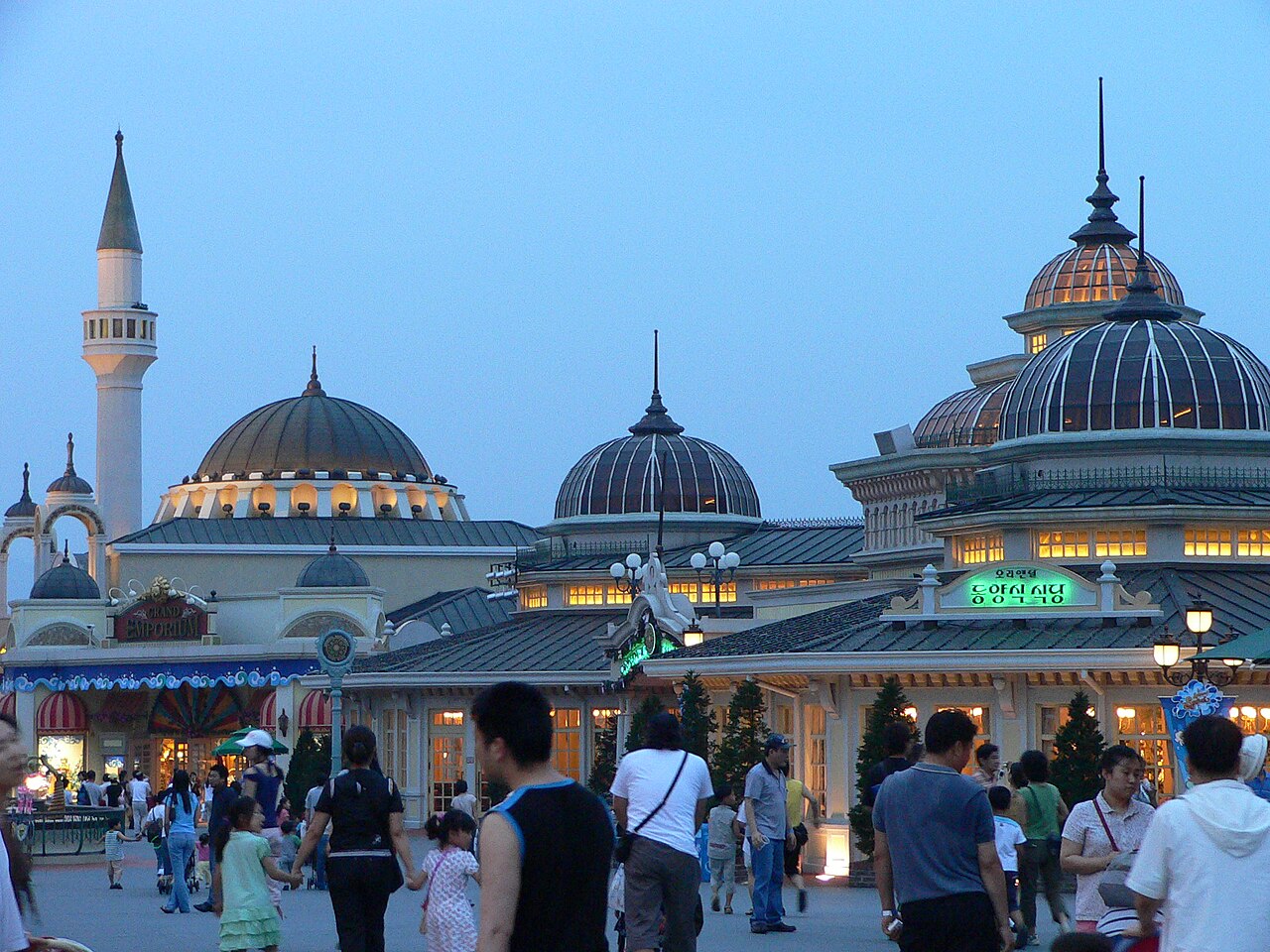
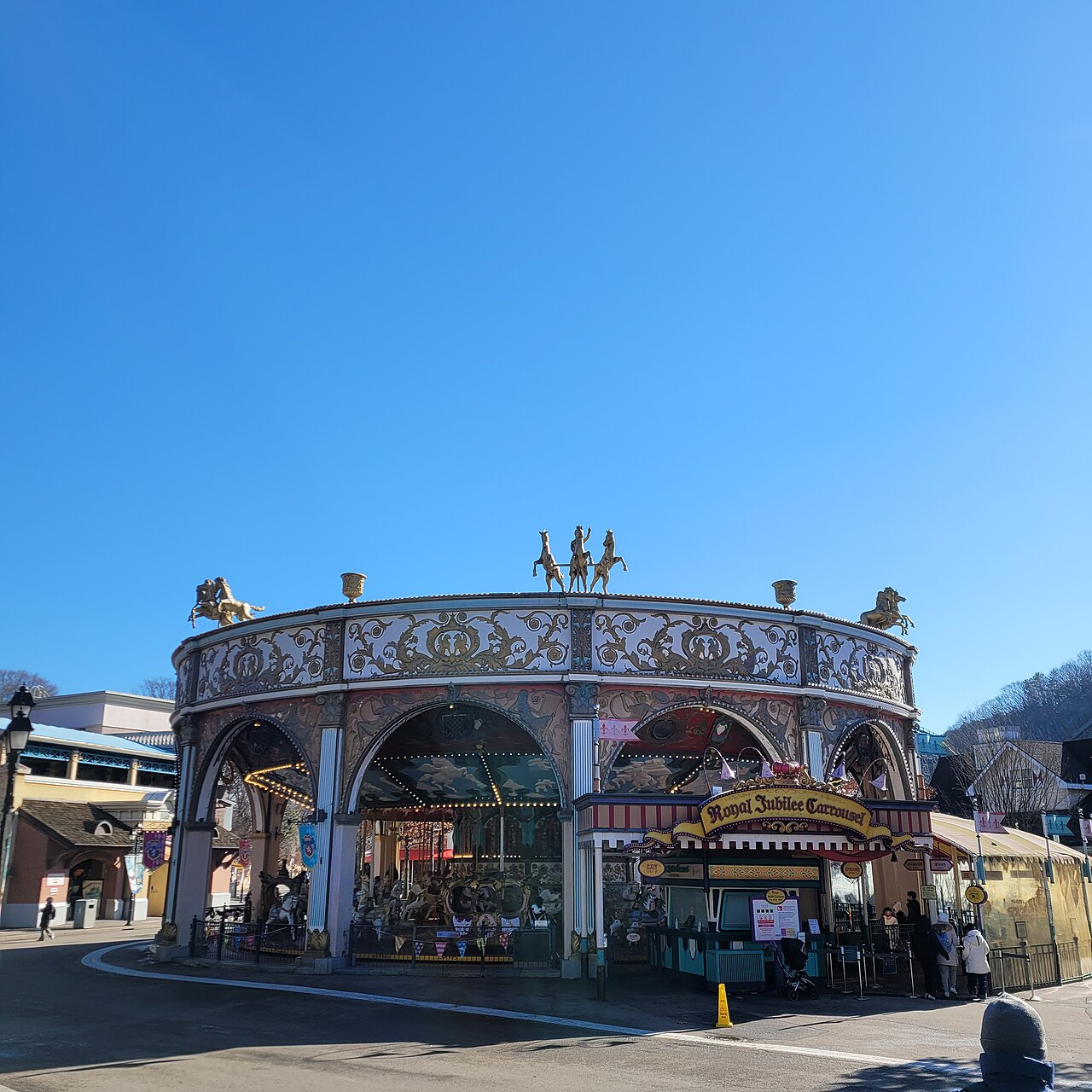
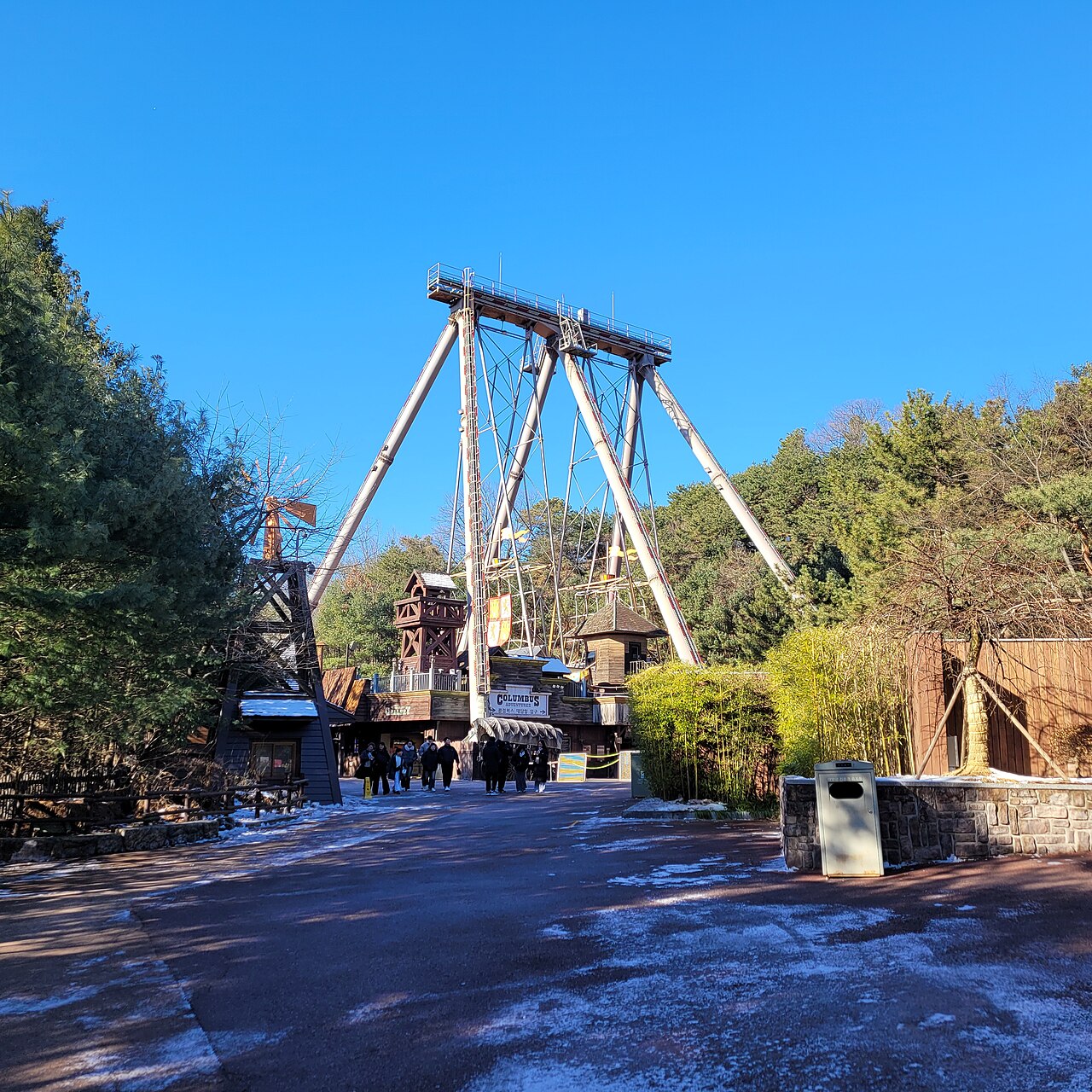
Located in Yongin, Gyeonggi-do, this is Korea's largest theme park, boasting year-round attractions from the thrilling T-Express rollercoaster and Safari World wildlife experiences to the blooming Rose Garden in spring. It is a representative amusement park loved by families, couples, and friends alike.
Lotte World (롯데월드)
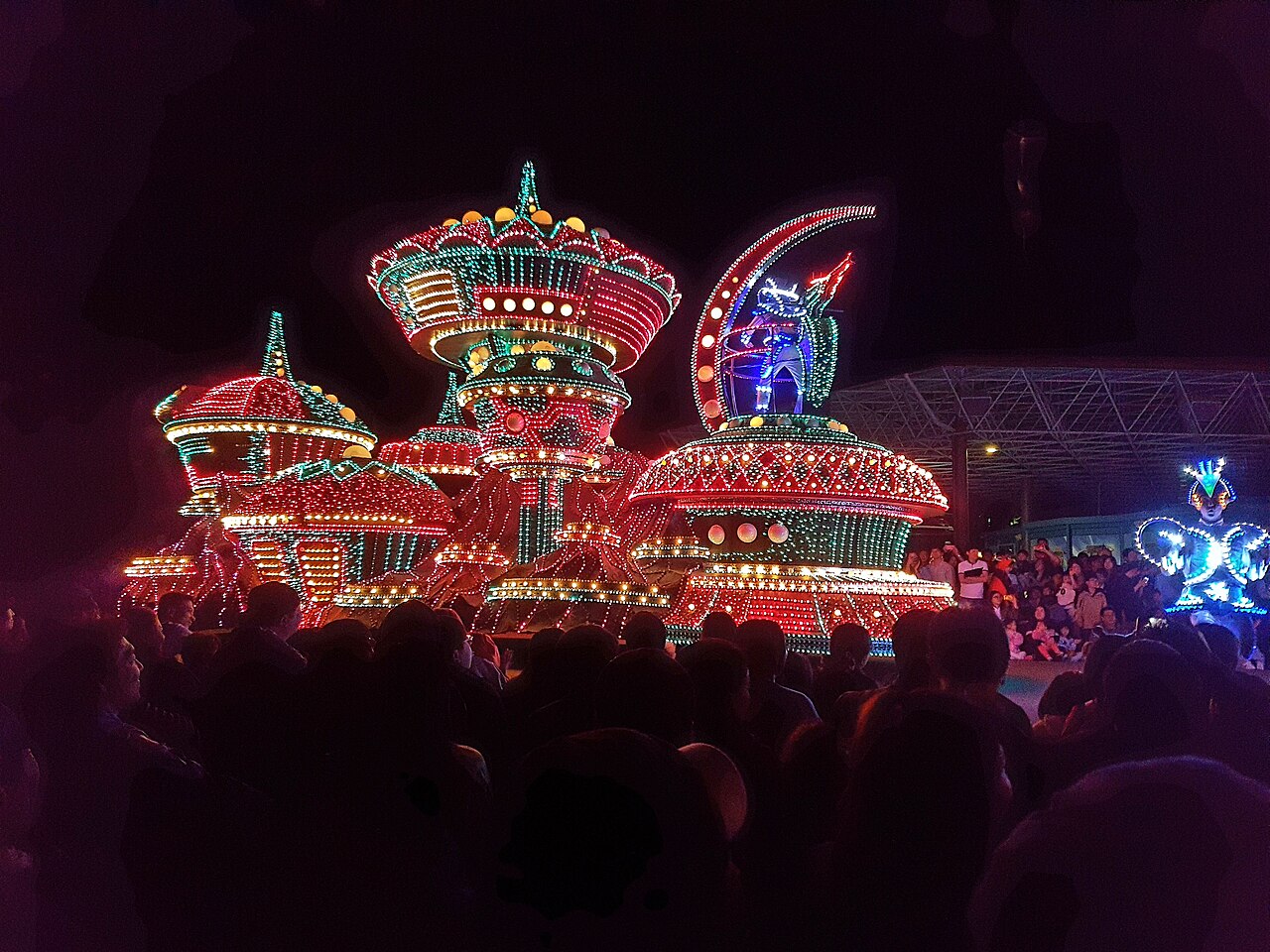
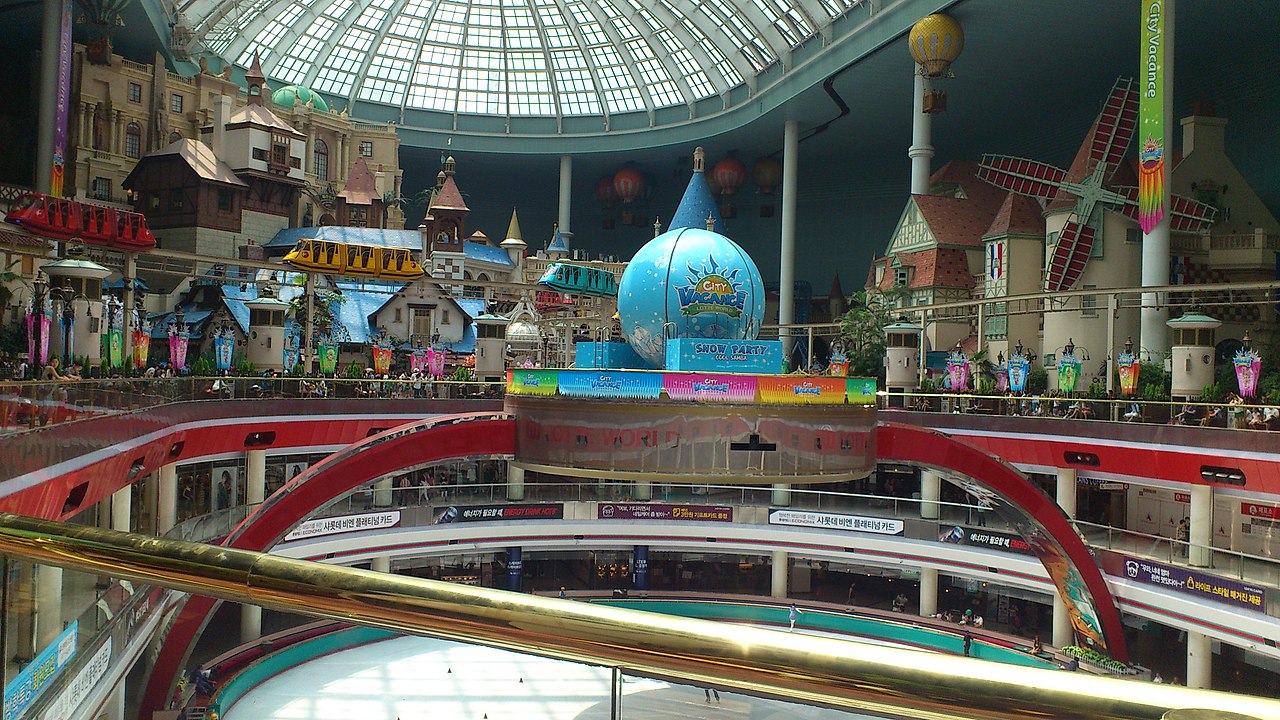
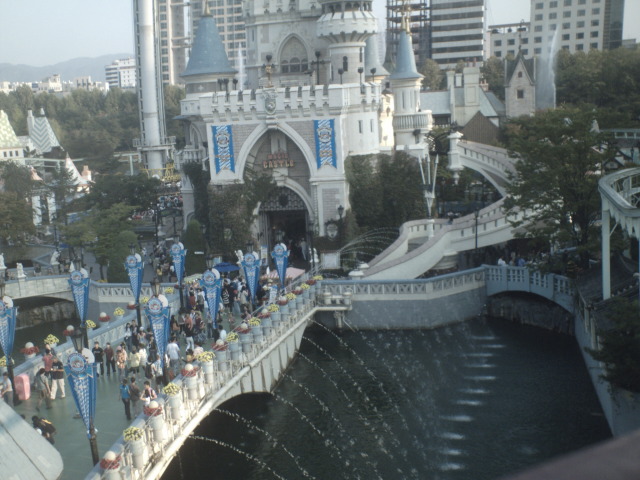
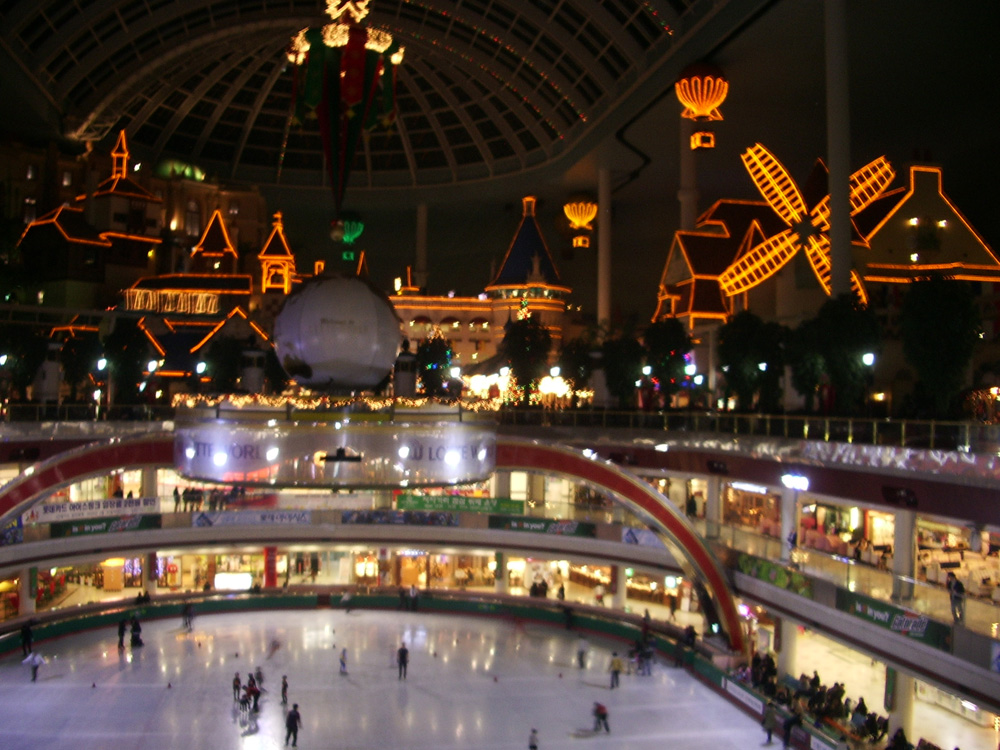
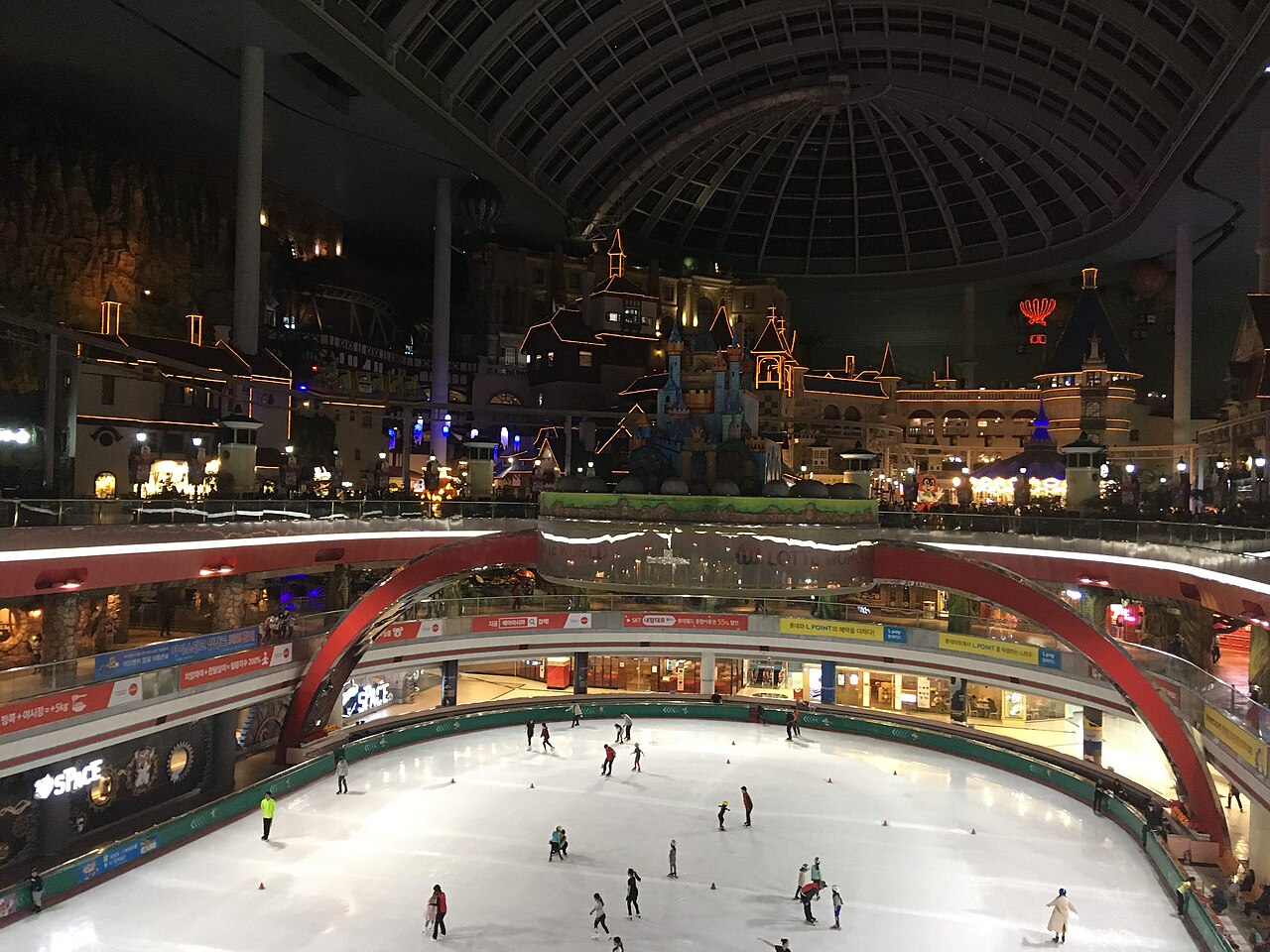
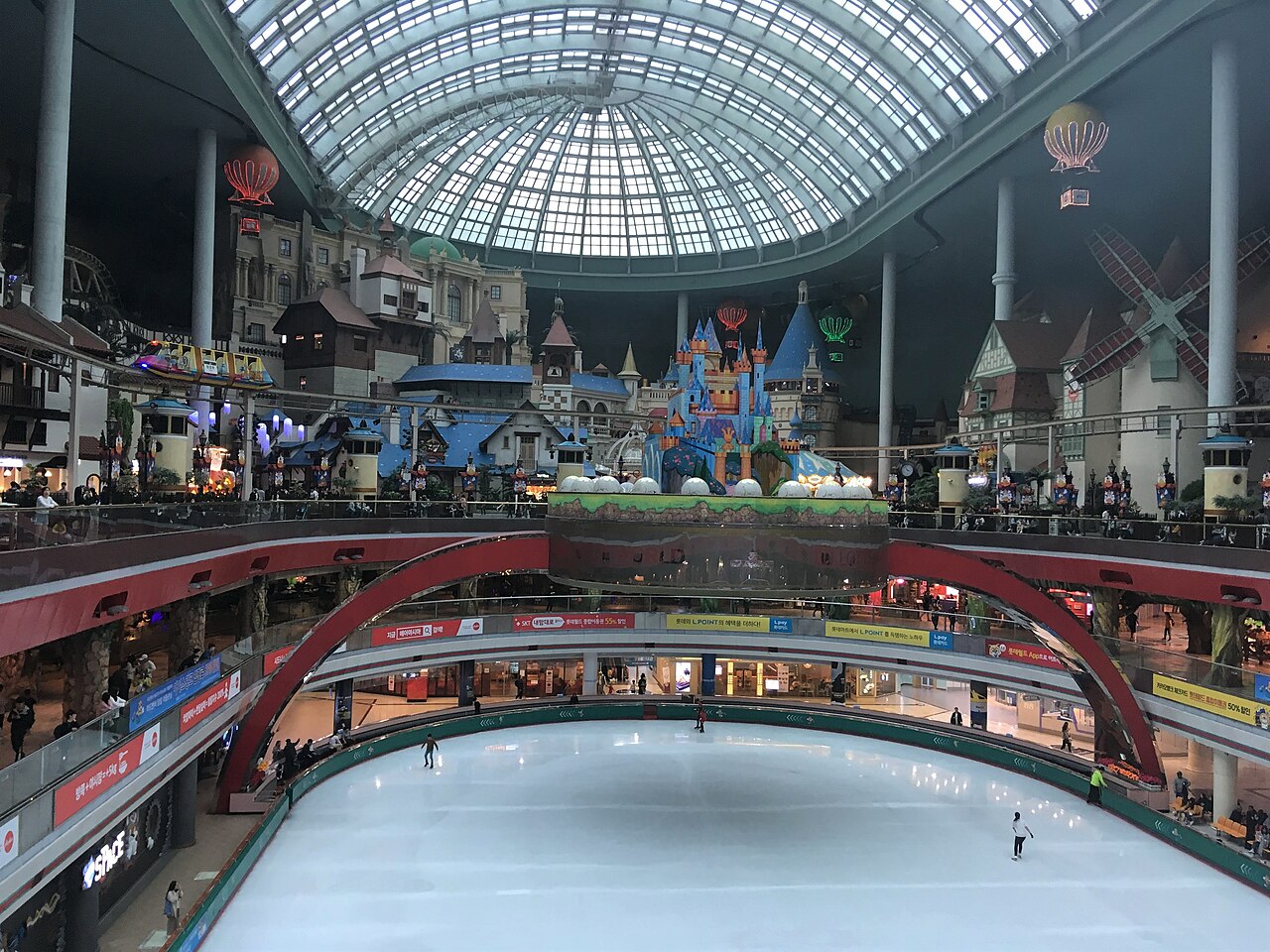
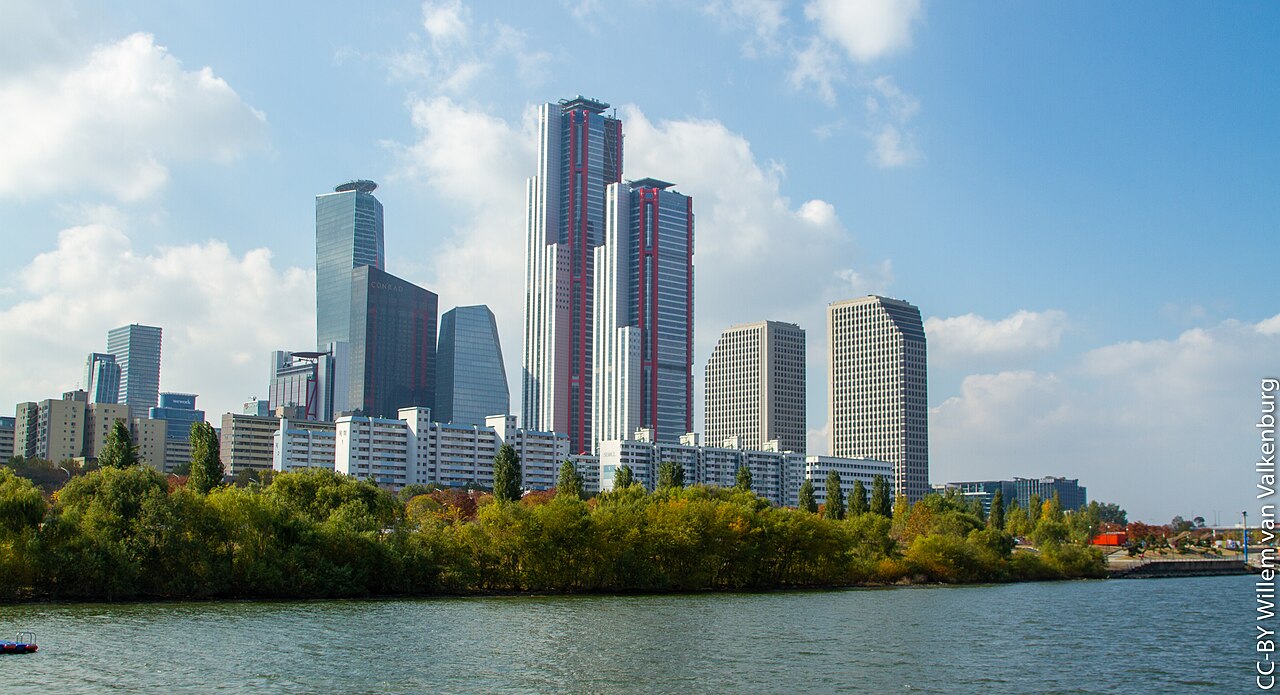
An urban theme park located in the heart of Jamsil, featuring the indoor Adventure park and the outdoor Magic Island. It can be enjoyed all day regardless of the weather. In the evening, the night view of Seokchon Lake combined with colorful parades and firework events makes it a highly satisfying night destination.
Itaewon (이태원)
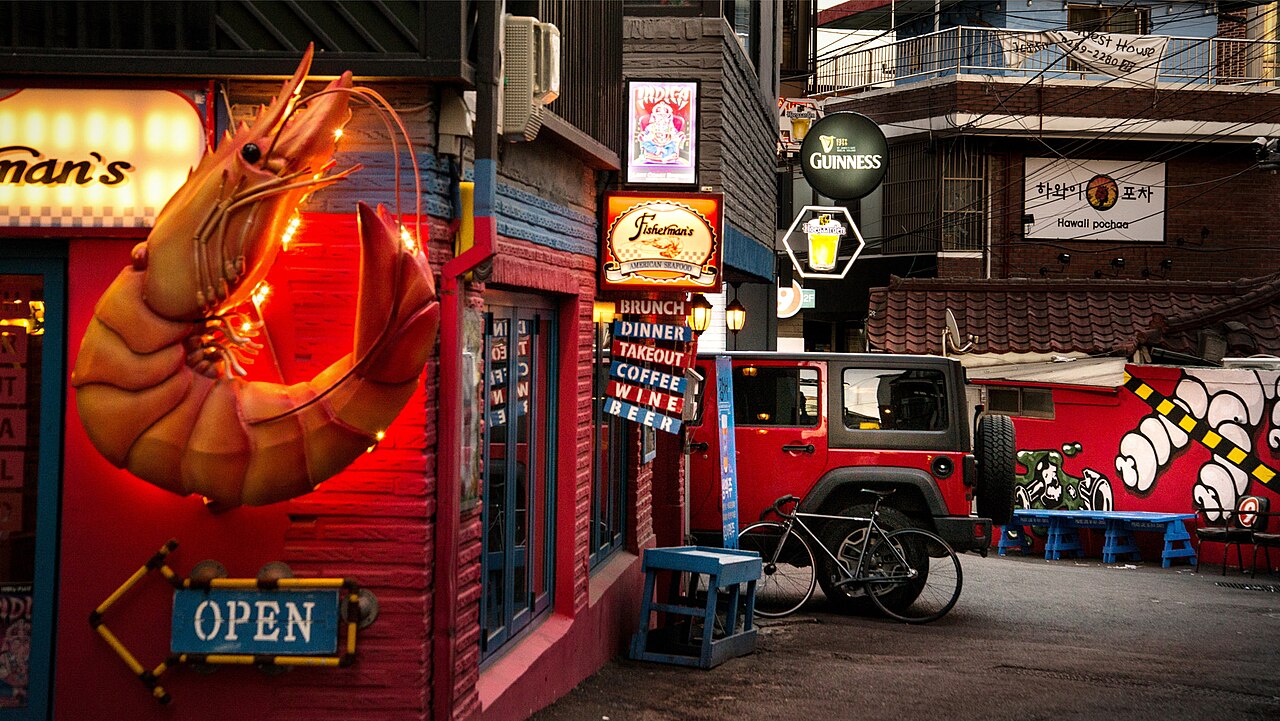
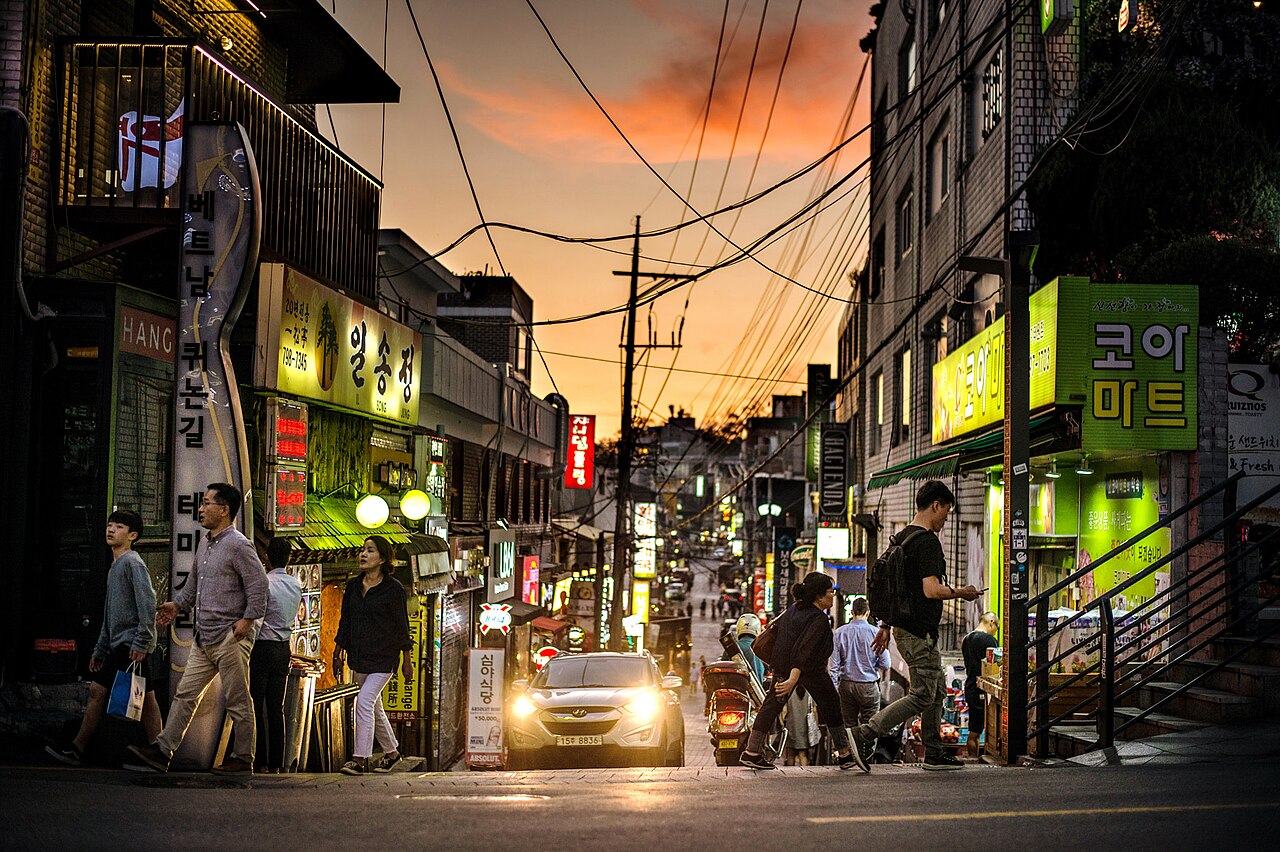
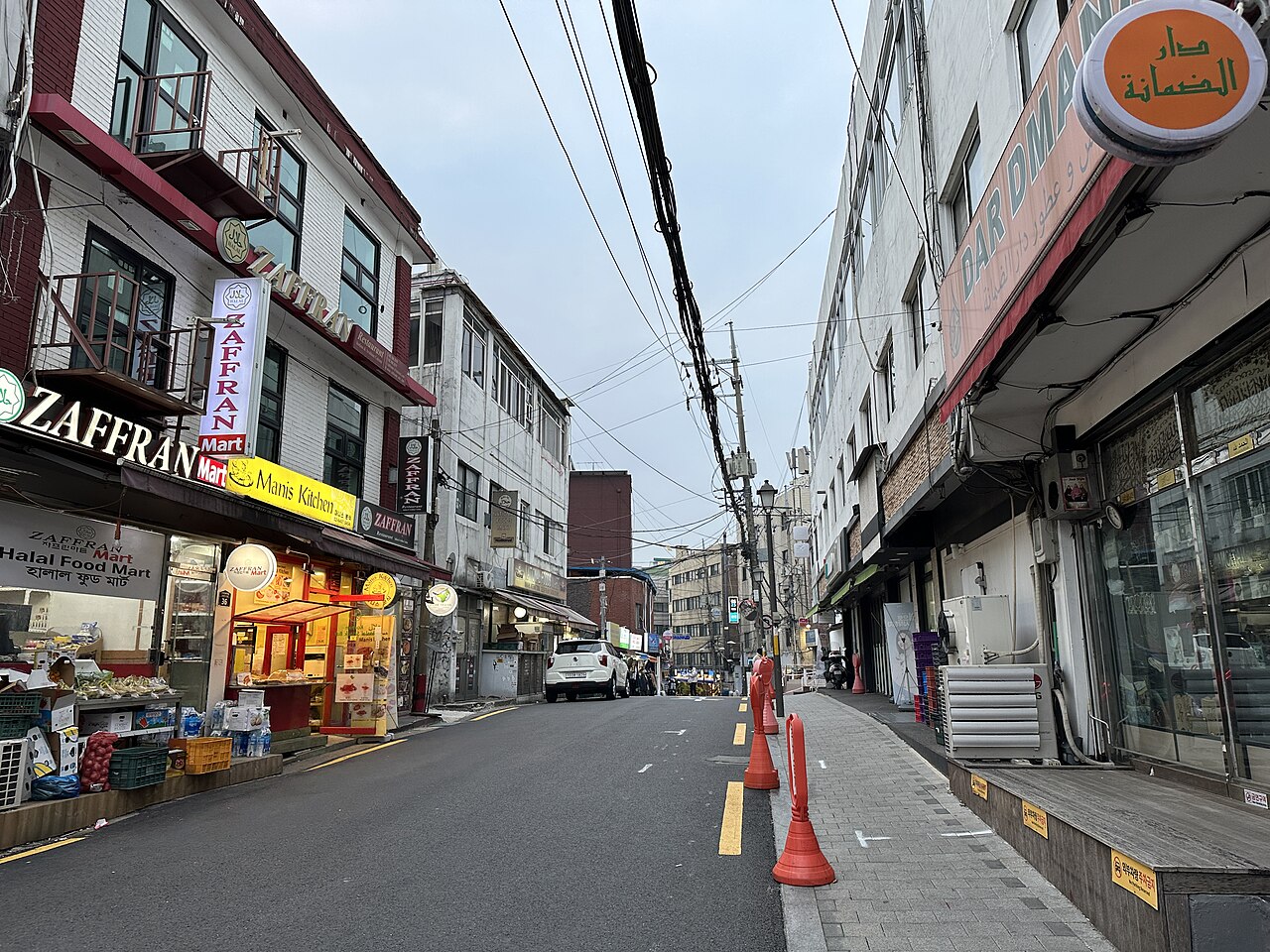
Seoul's representative multicultural street that grew near the Yongsan US military base. Centered around the Seoul Central Mosque built in 1976, it is packed with international restaurants and unique cafes. At night, the alleys light up with a vibrant international bar and pub culture. It's great to explore along with Gyeongnidan-gil and Haebangchon.
Dongdaemun Design Plaza (동대문디자인플라자)
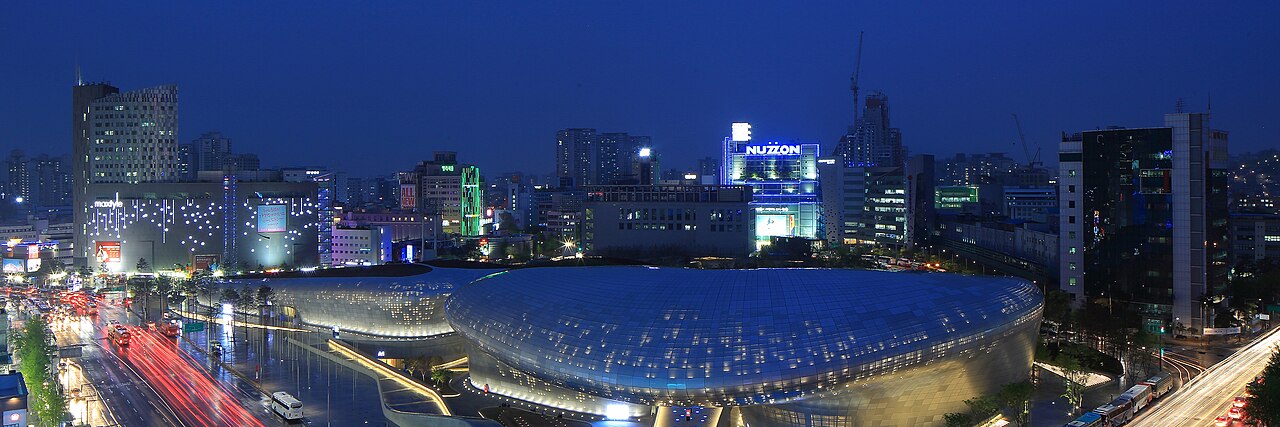
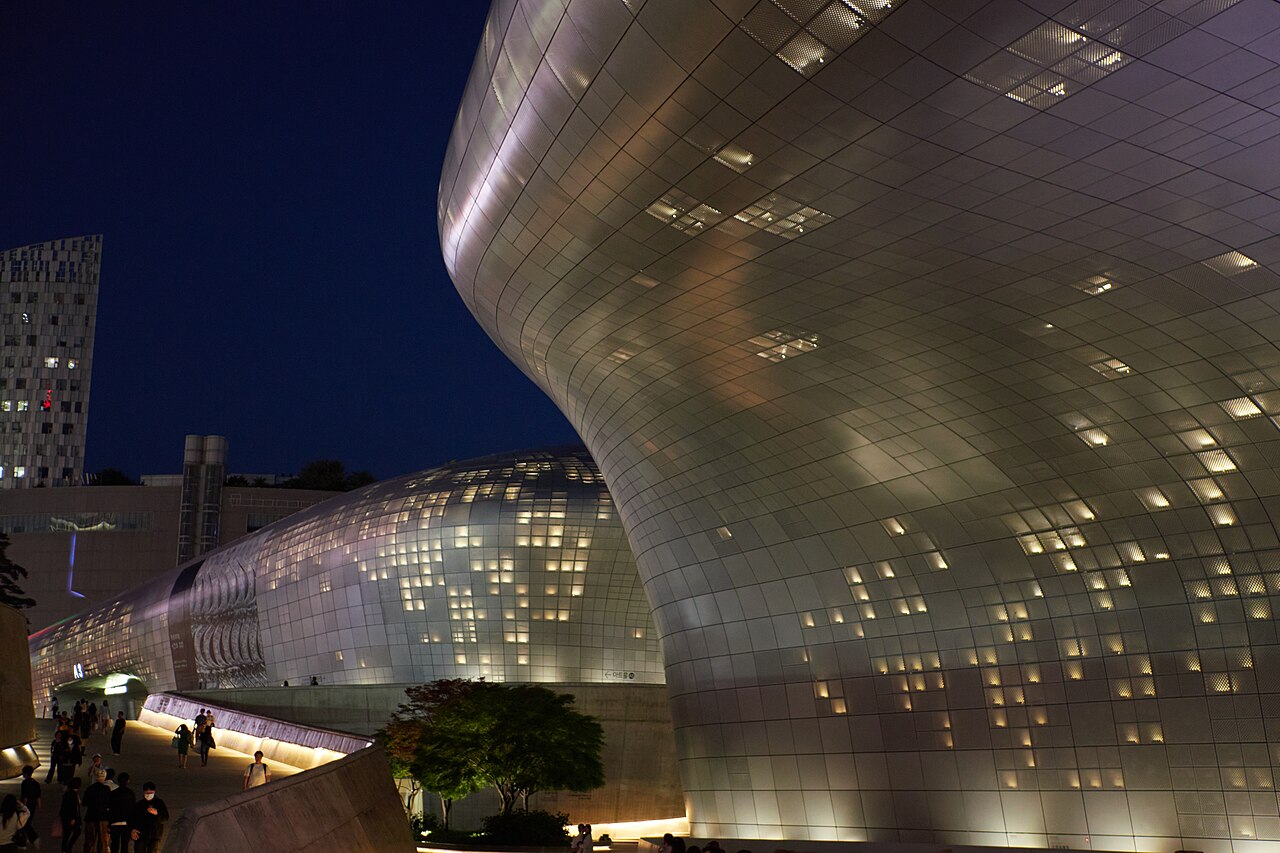
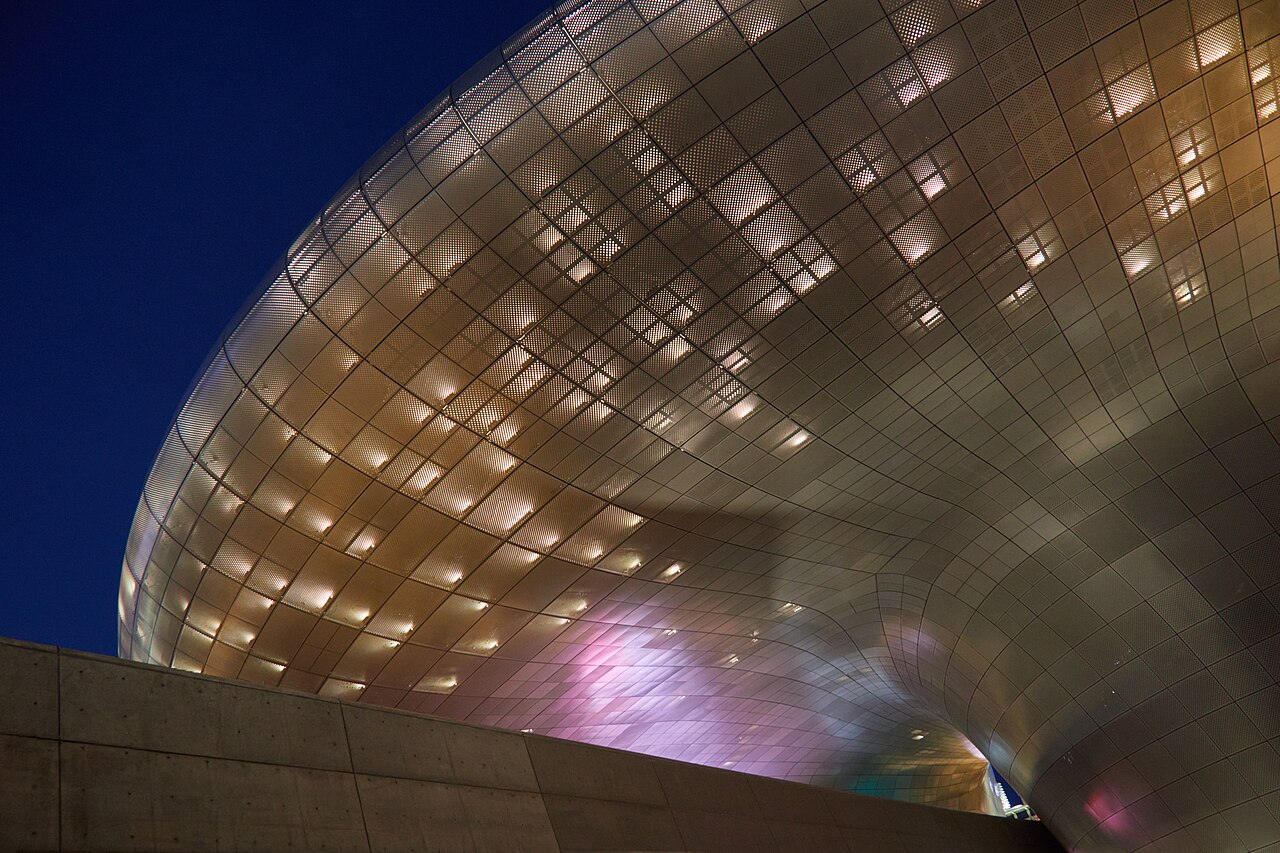
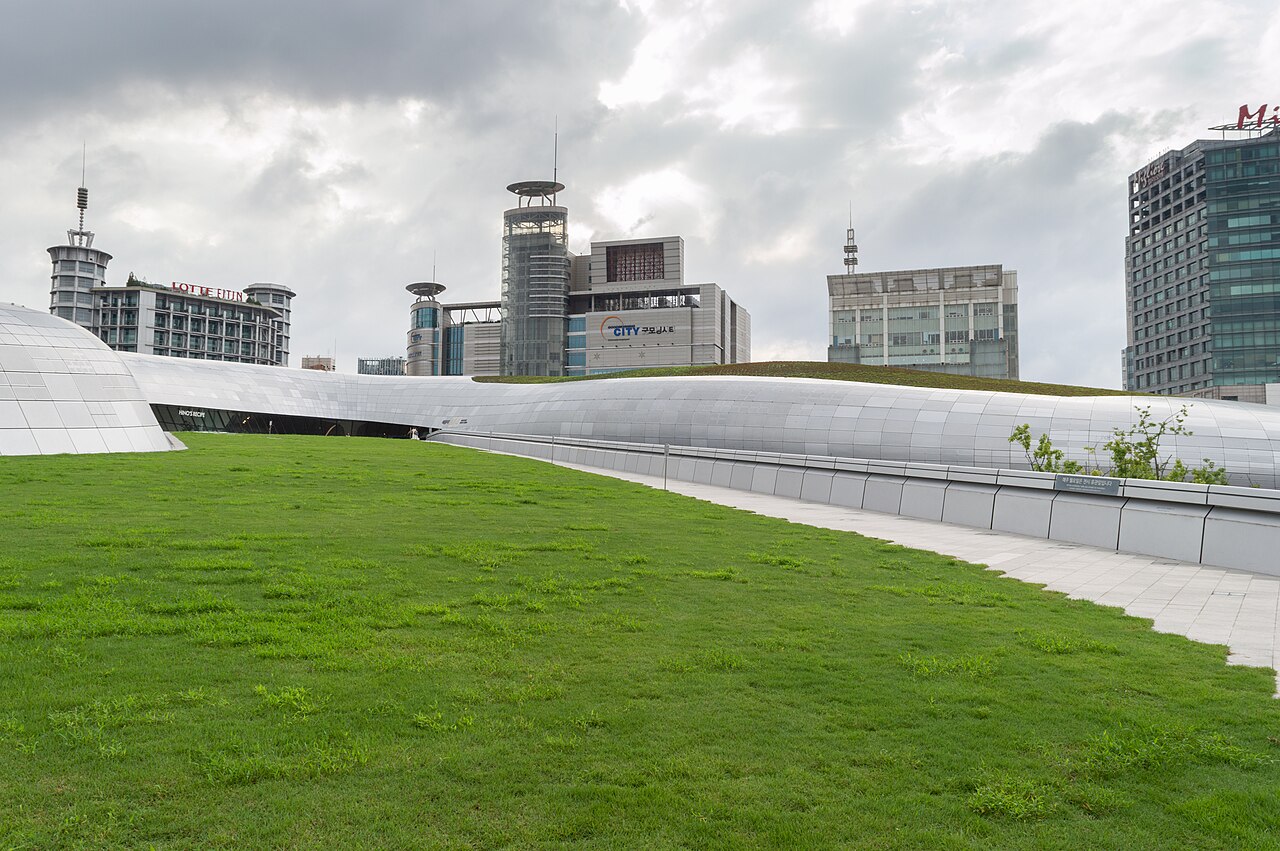
An atypical building designed by world-renowned architect Zaha Hadid that opened in 2014. Its curved exterior made of thousands of different-sized aluminum panels is impressive. The night view with the building exterior and the 'LED Rose Garden' on the adjacent hill is particularly famous. Shopping and exhibitions are available at the Design Market.
Gwanghwamun Square (광화문광장)
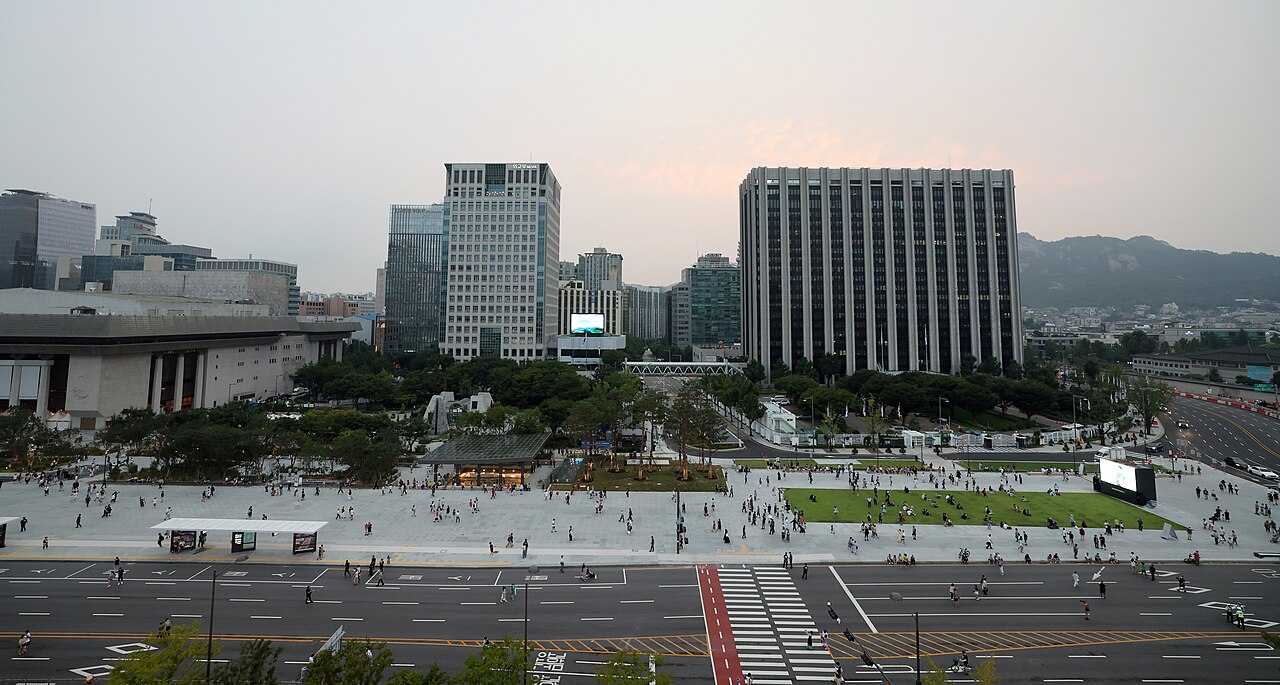
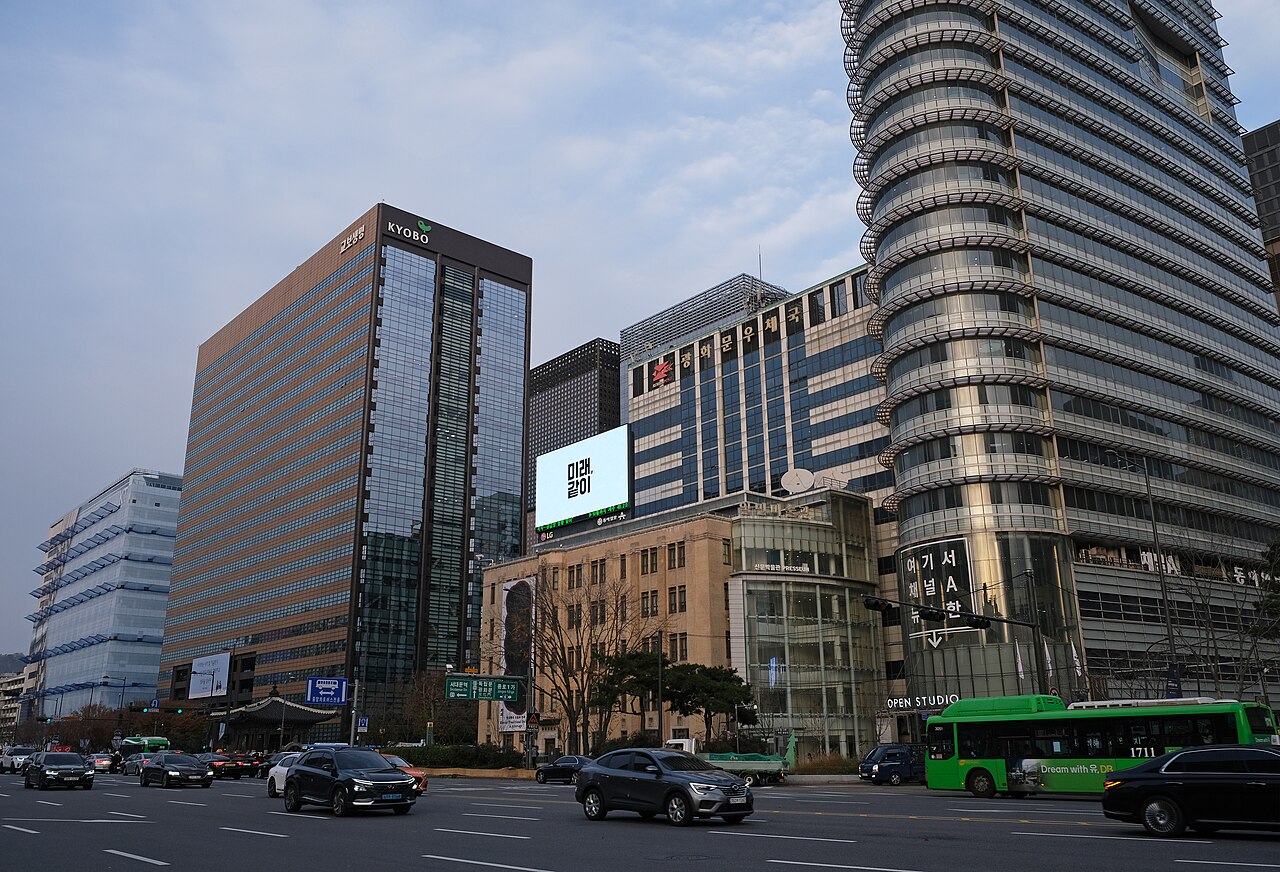
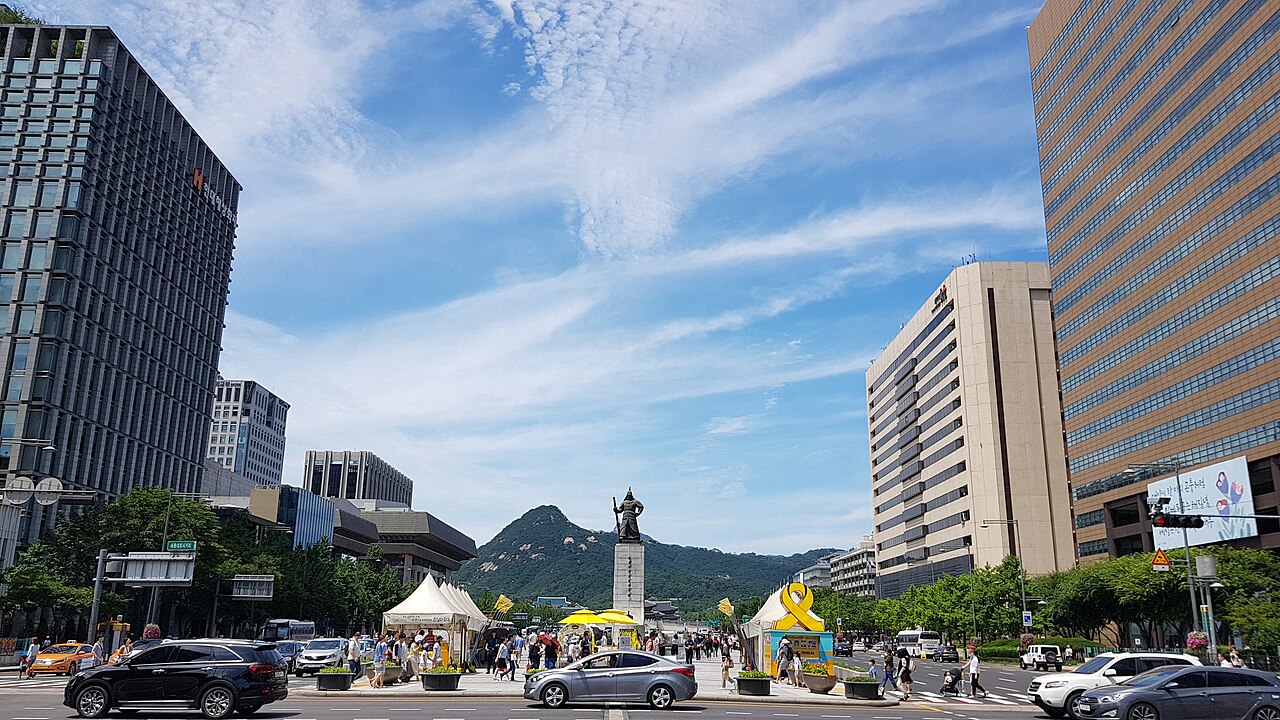
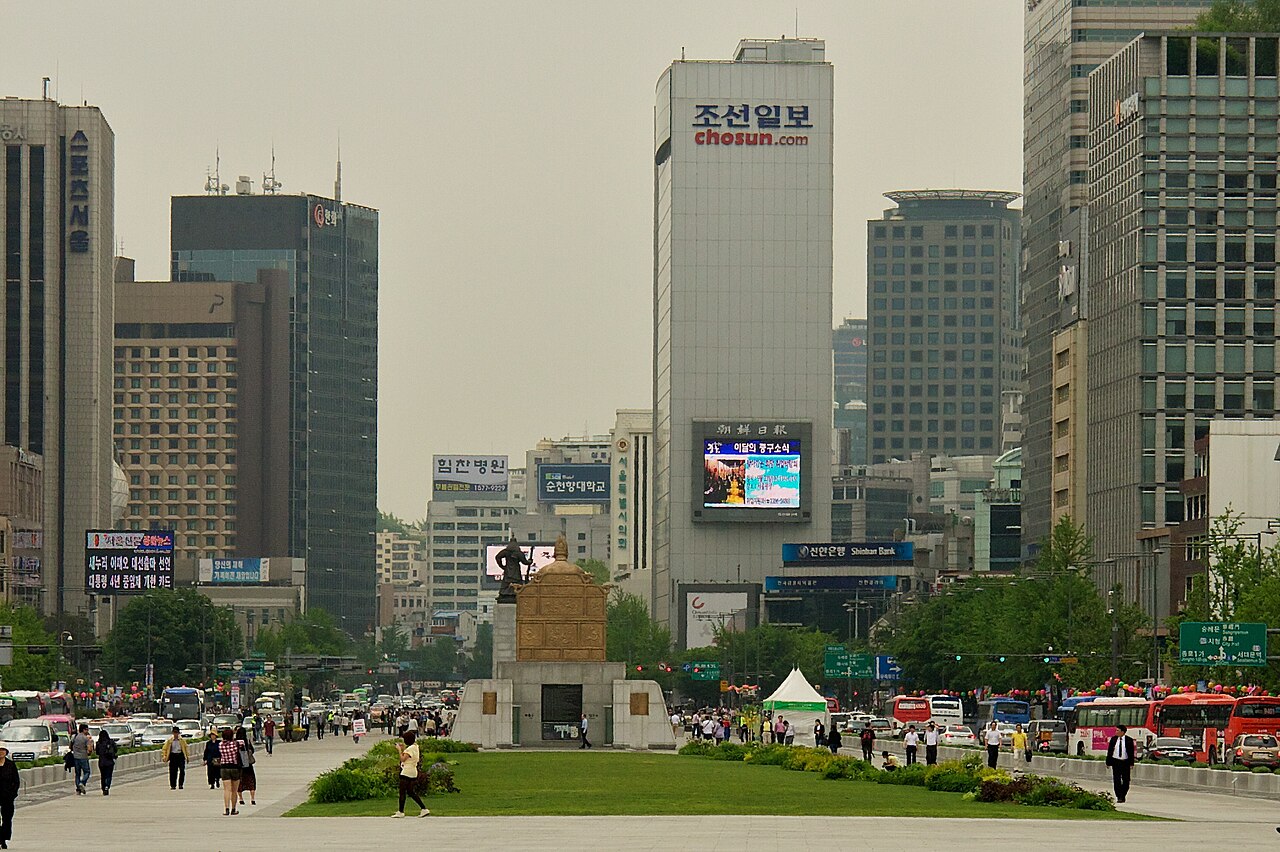
A symbolic square in Seoul located in front of Gwanghwamun Gate, the main gate of Gyeongbokgung Palace. Statues of King Sejong and Admiral Yi Sun-sin face each other. Reopened in 2022 as an open space with increased lawn areas and fountains. The 'Story of King Sejong' and 'Story of Admiral Yi Sun-sin' exhibition halls behind the King Sejong statue are free to visit.
Yeouido Hangang Park (여의도한강공원)
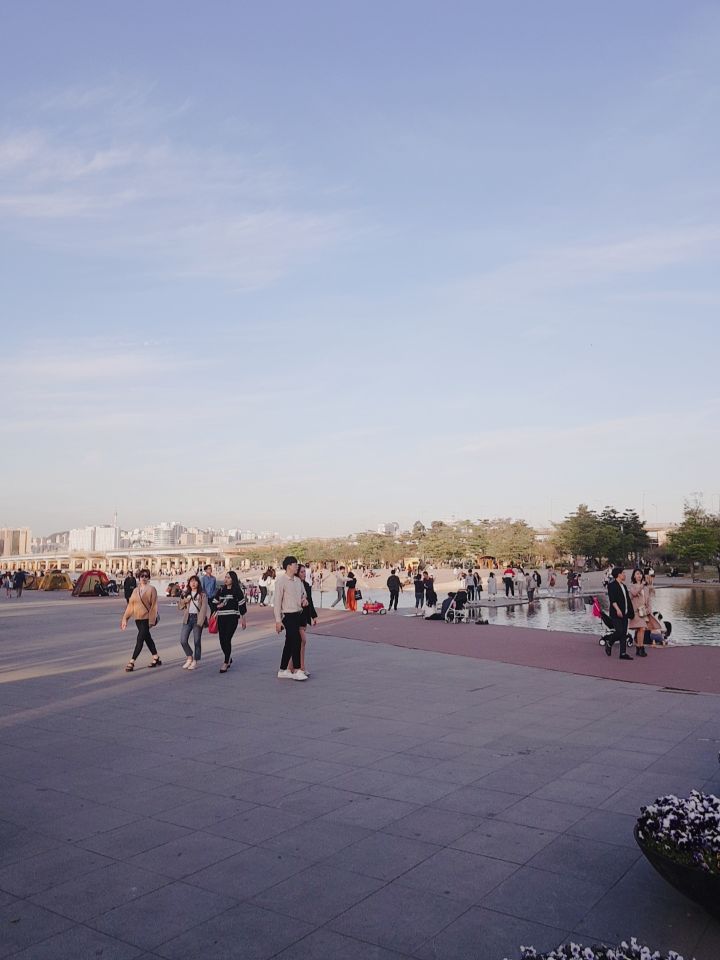
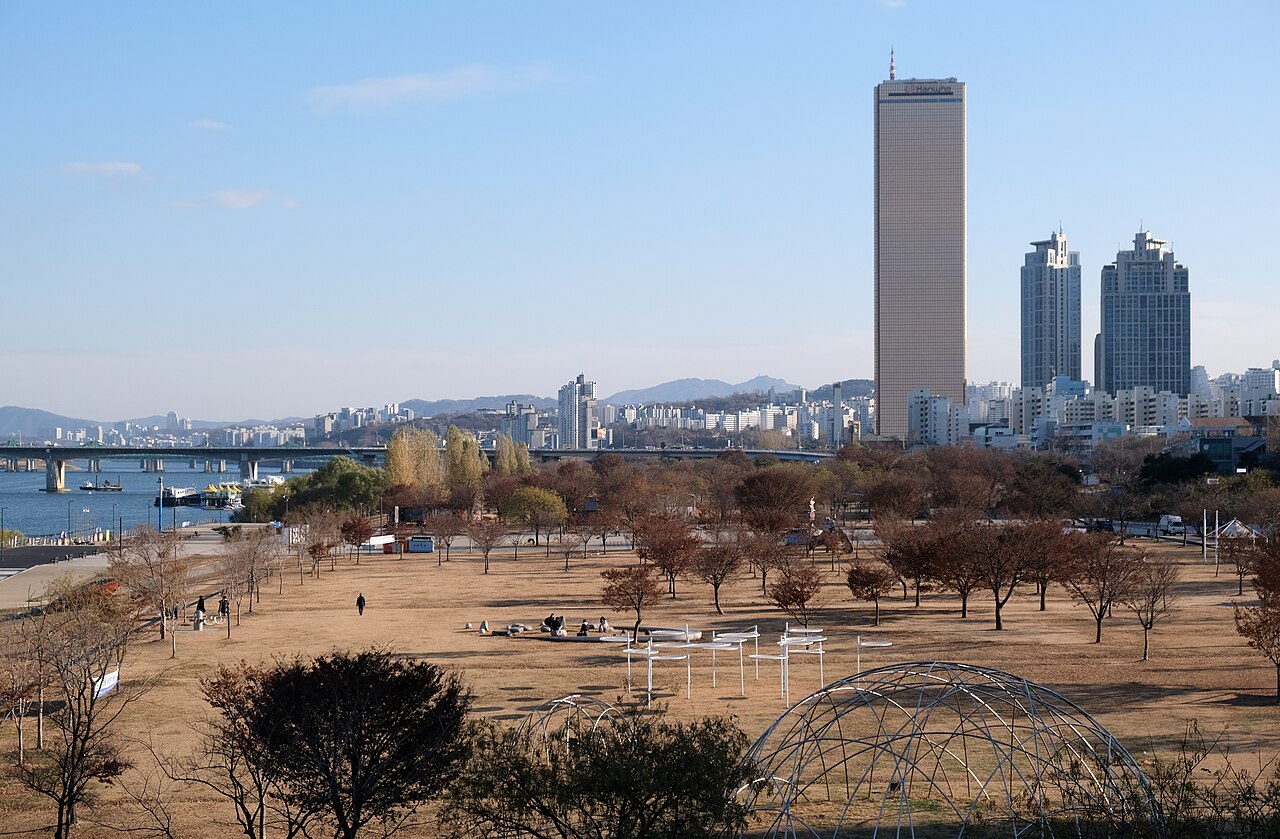
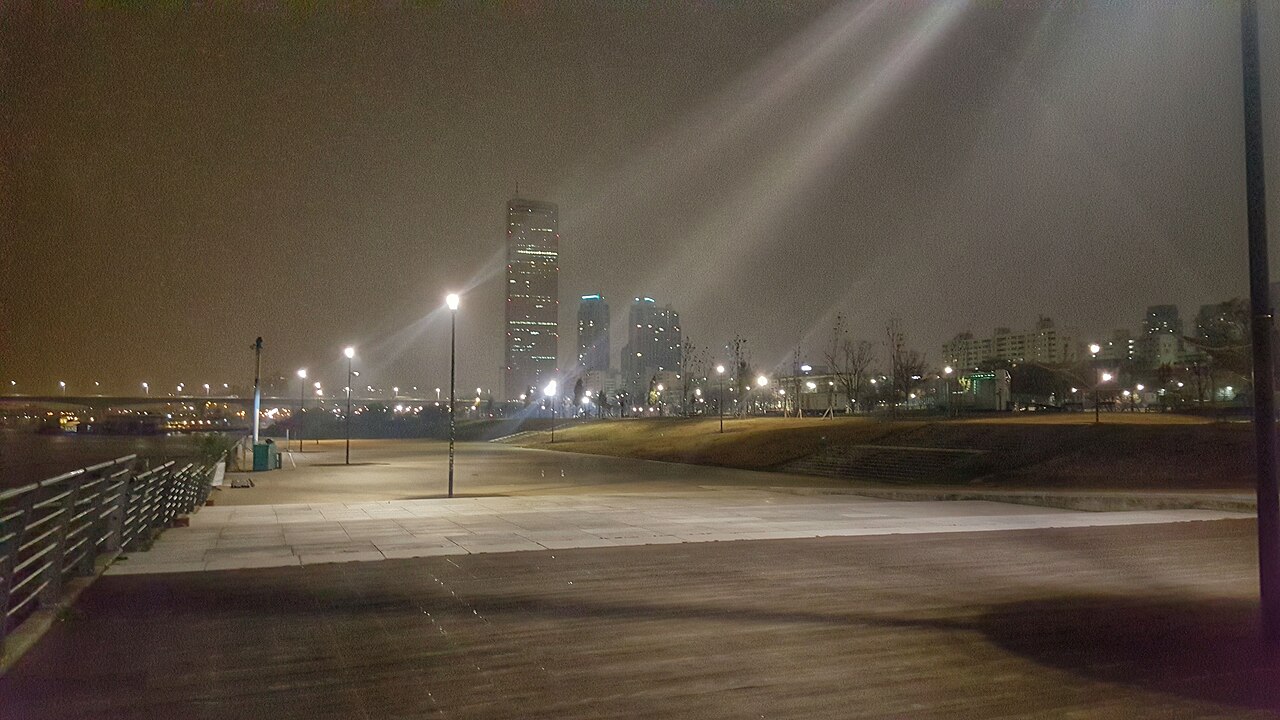
A citizen's park on the southern bank of the Han River in Yeouido. It is a hotspot for the Cherry Blossom path in spring and the Seoul International Fireworks Festival in autumn. With bicycle rentals and convenience stores throughout, it's perfect for enjoying 'Hangang Ramen' on a picnic mat. It is also a popular sunset and night view spot featuring the 63 Building.
Lotte World Aquarium (롯데월드 아쿠아리움)
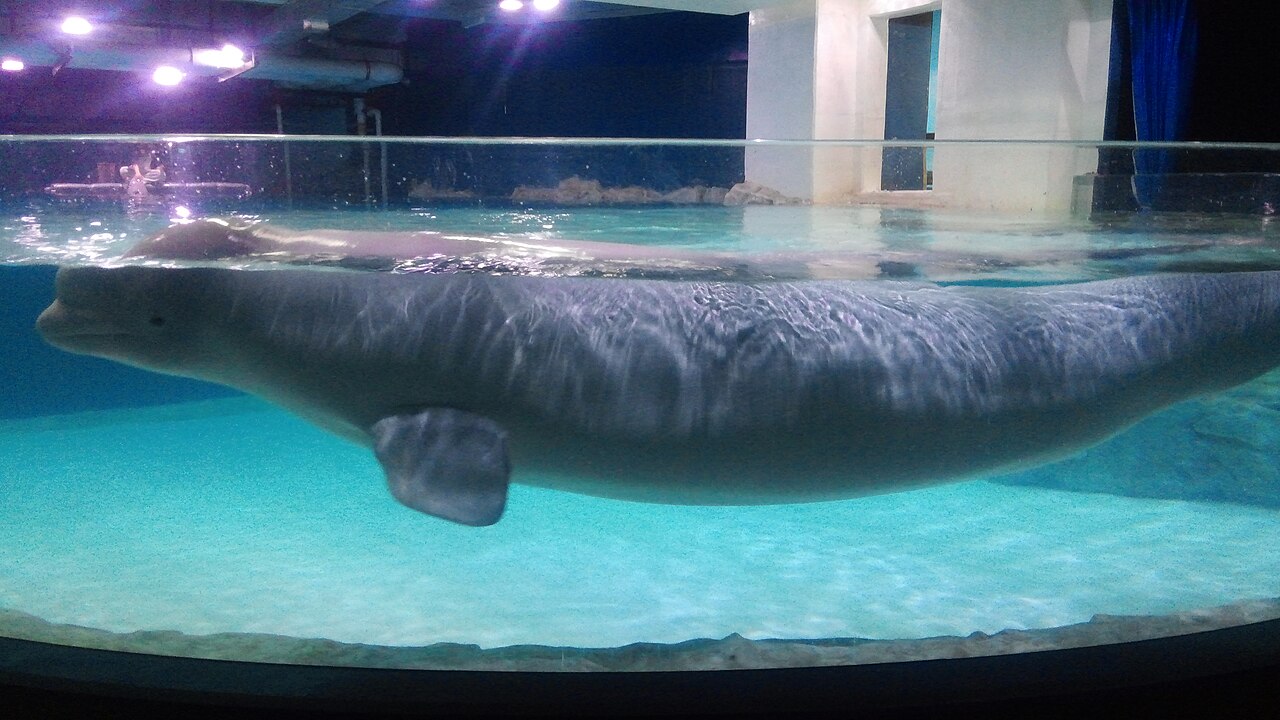
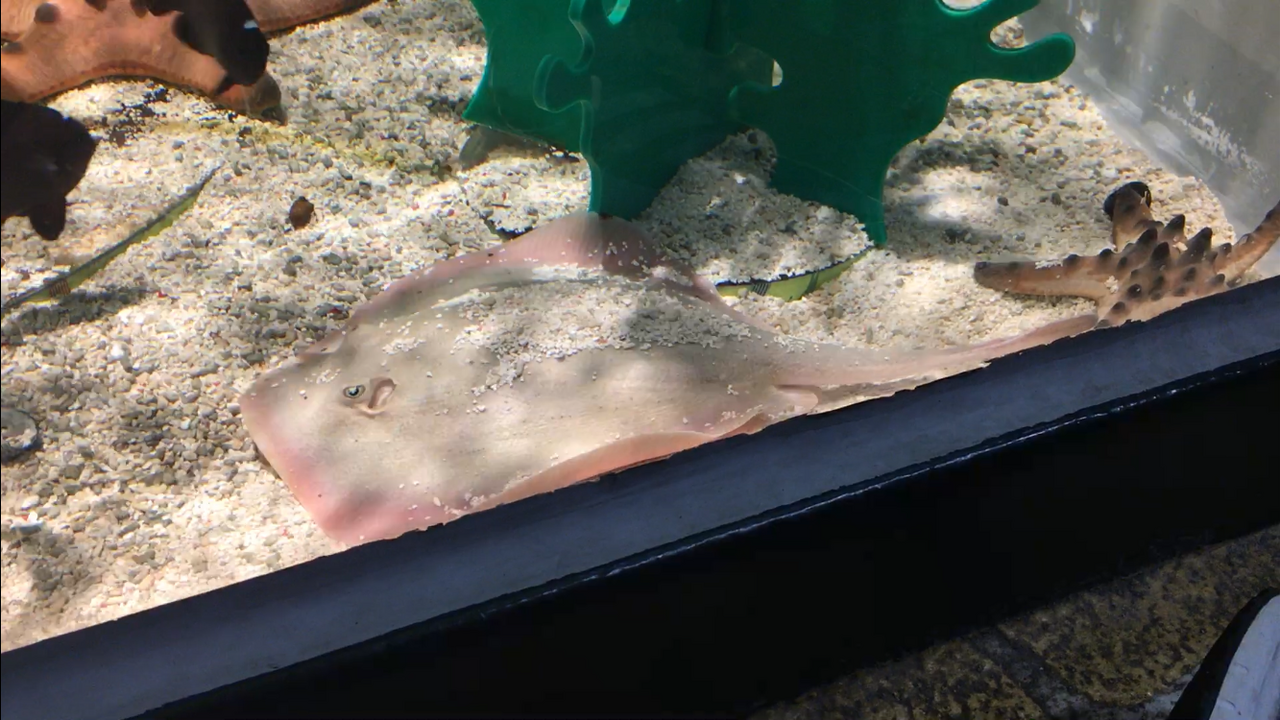
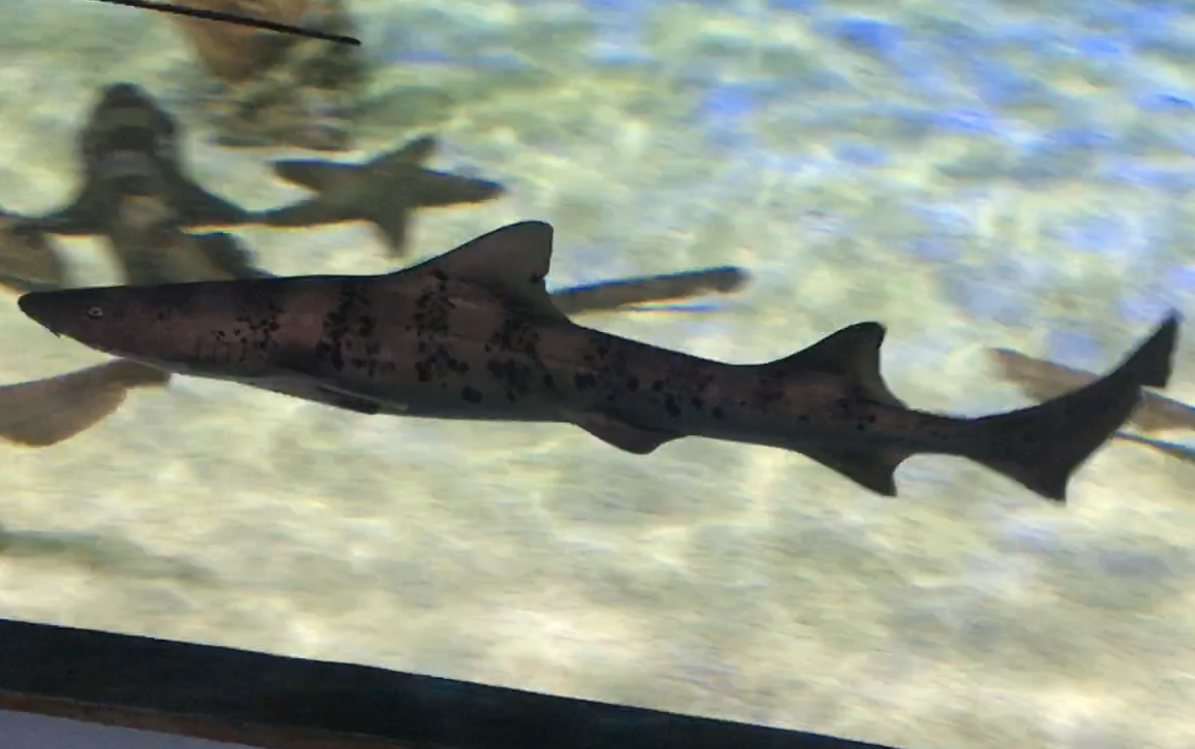
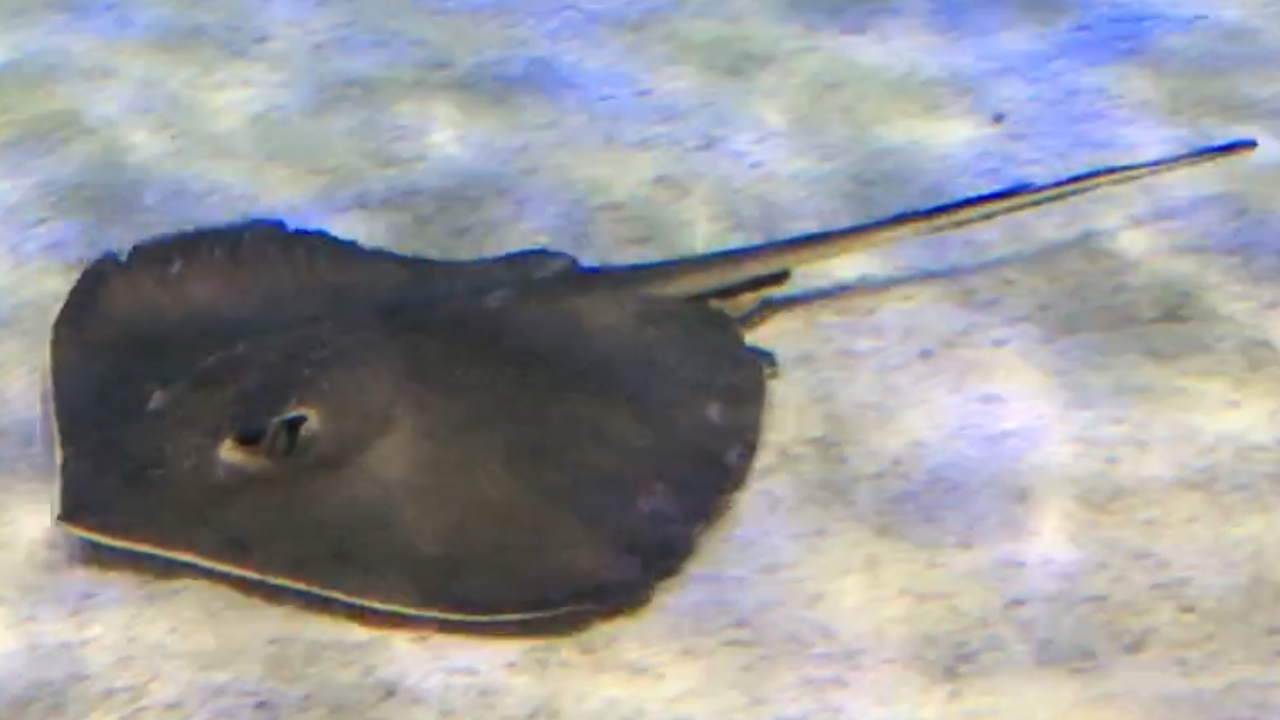
A representative urban aquarium located in the basement of Lotte World Mall, home to over 650 species of marine life including Beluga whales, sharks, and rays. Large tanks and an underwater tunnel allow for close observation. It is popular with families and conveniently connected to Lotte World Tower and Adventure.
Changdeokgung Palace (Secret Garden) (창덕궁 후원)
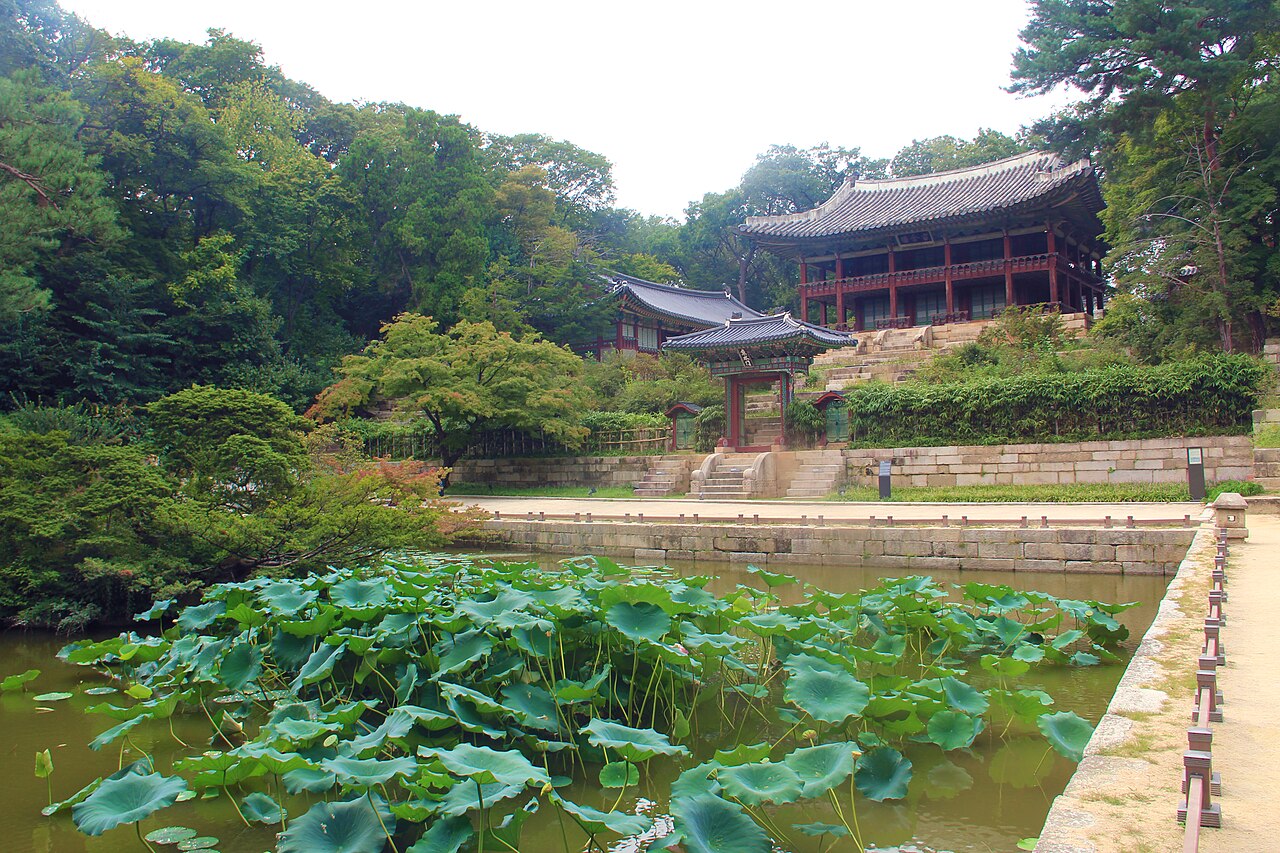
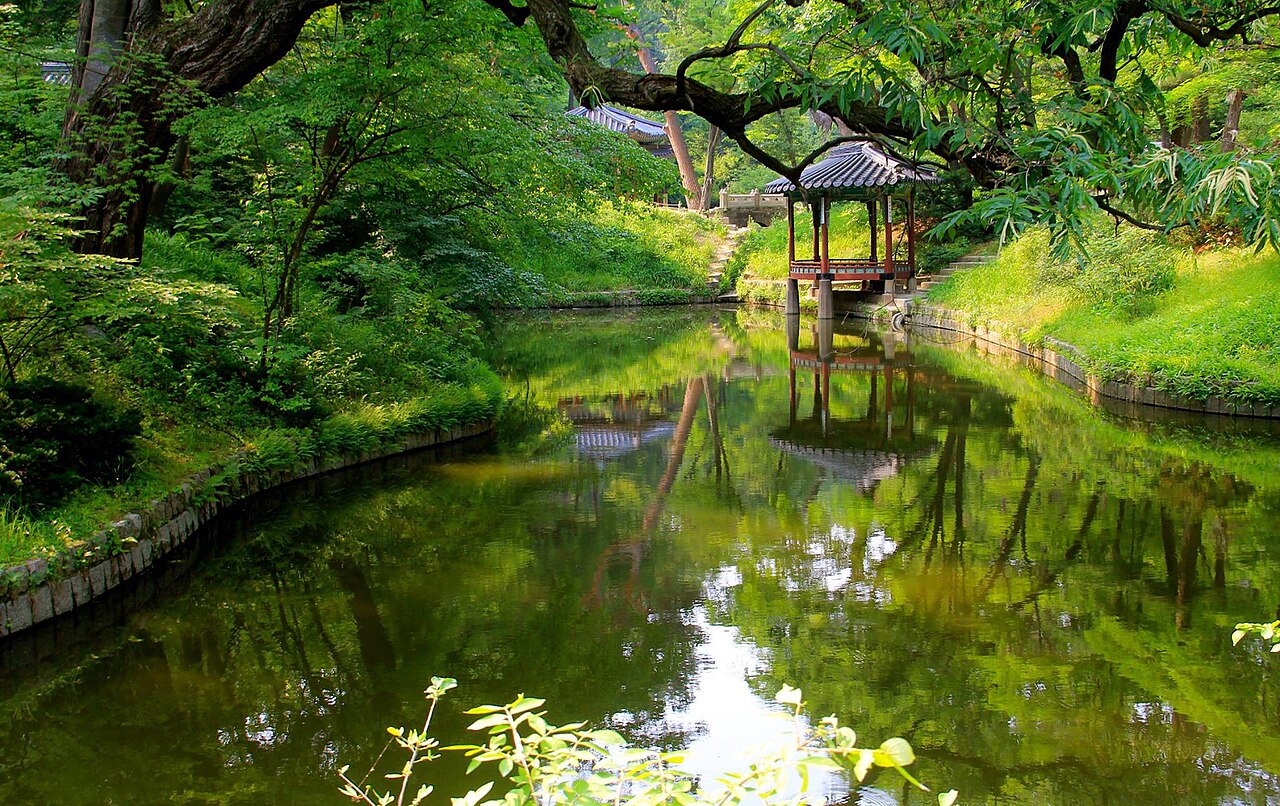
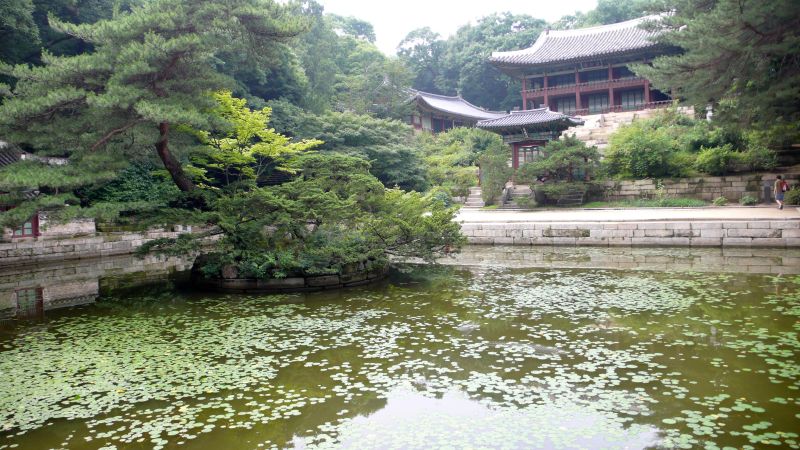
A UNESCO World Heritage site, the Secret Garden (Biwon) of Changdeokgung is the highlight of Joseon royal gardens, preserving natural terrain rather than artificial molding. The scenery of Buyongji Pond and pavilions is beautiful year-round. Entry to the Secret Garden is only possible with a guide at designated times and has a limited capacity, so online pre-reservation is mandatory. Reservations are very competitive during autumn foliage.
Insa-dong Traditional Culture Street (인사동 전통문화거리)
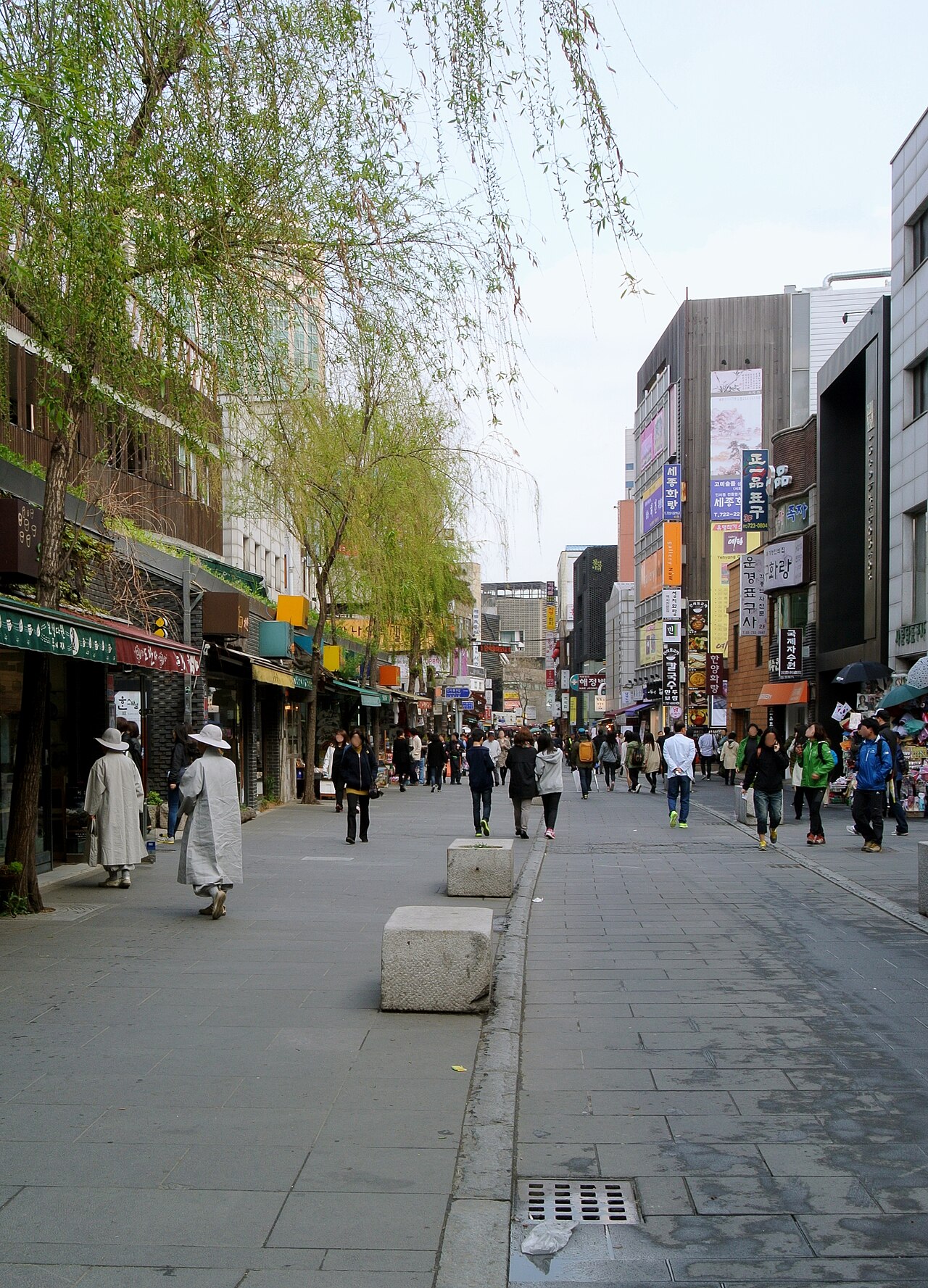
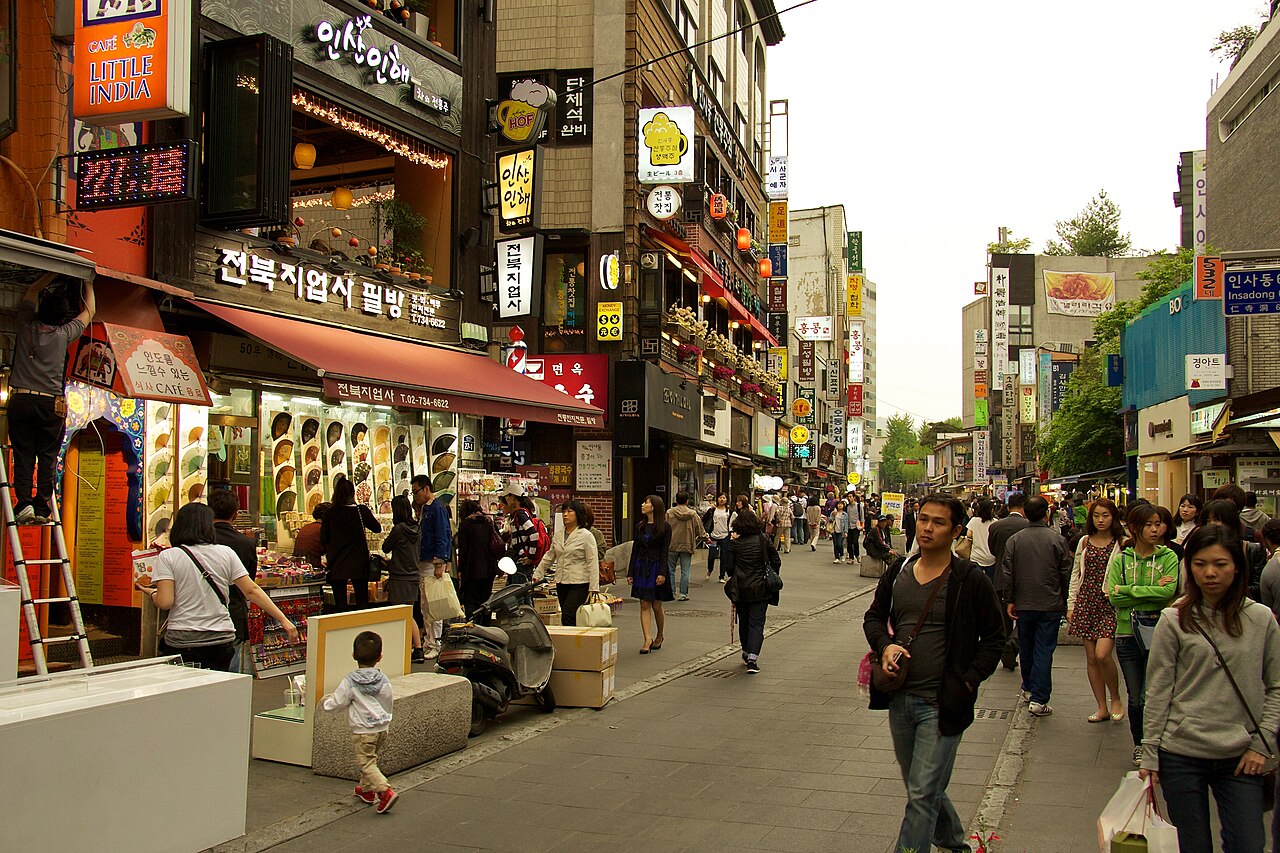
A representative traditional street in Seoul crowded with galleries, traditional teahouses, antique shops, and craft workshops. It is a great place to shop for souvenirs and feel old Korea. Traditional craft shops line the main street and alleys like Ssamziegil. It is a car-free street on weekends, allowing for a relaxed half-day walk without reservations.
Lotte World Tower Seoul Sky (롯데월드타워 서울스카이)
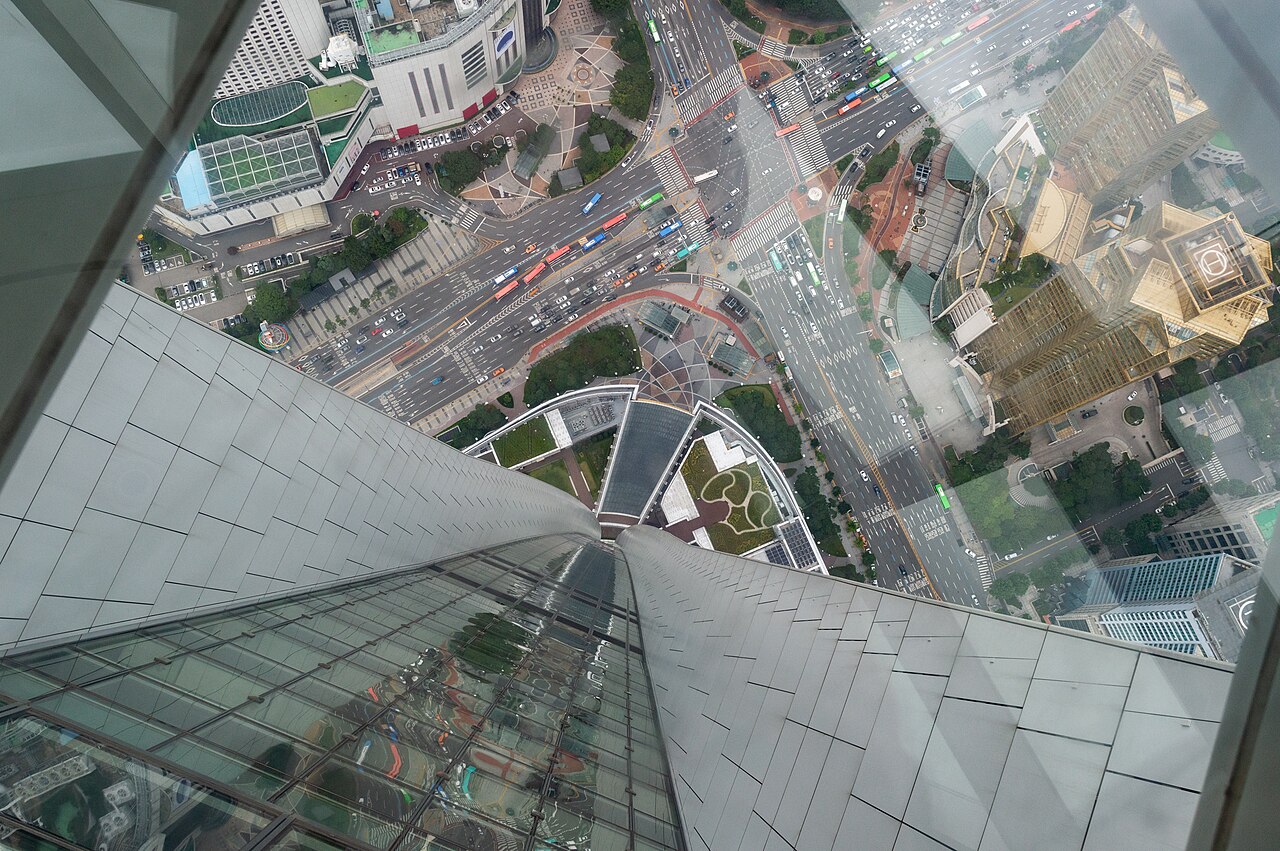
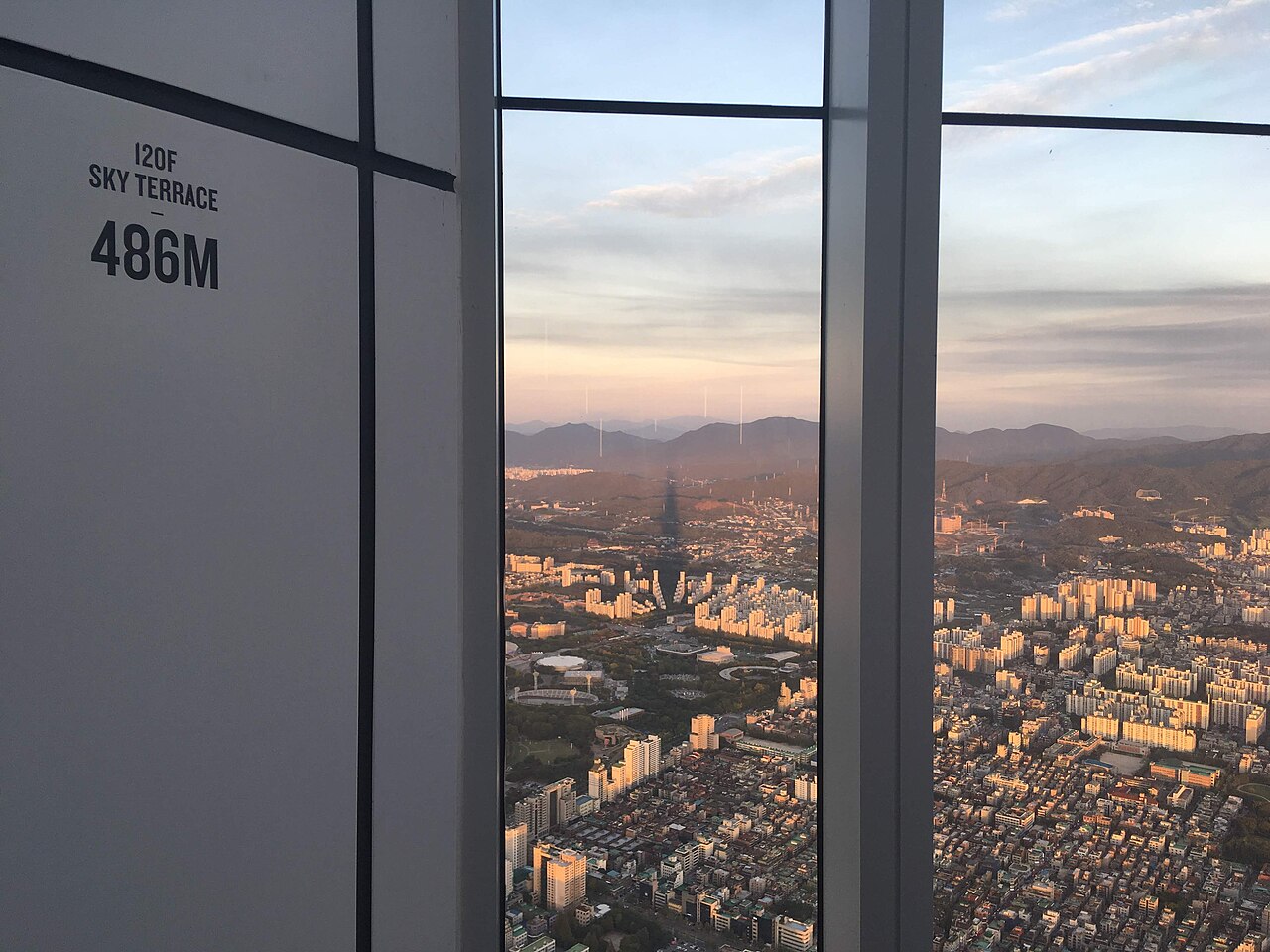
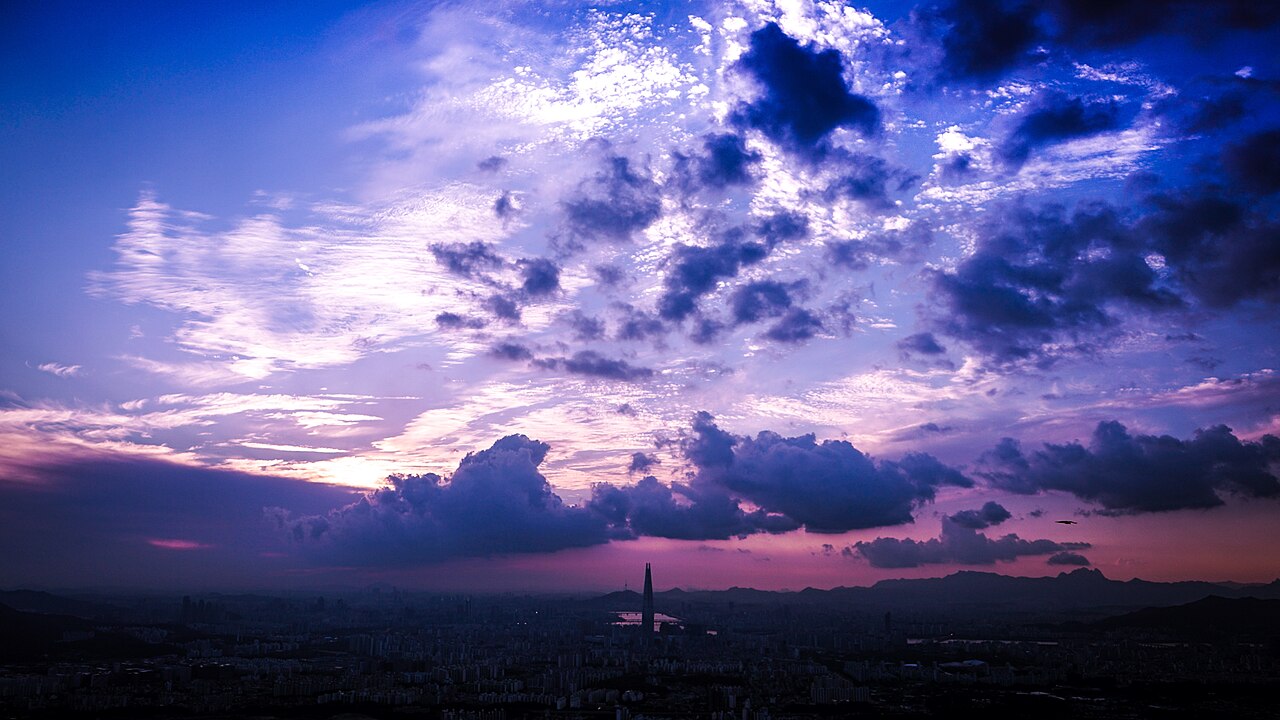
Located on floors 117-123 of the 555m tall Lotte World Tower, the Sky Deck glass-floor observatory at 478m is the world's highest glass-floor observatory according to the Guinness World Records. It offers panoramic views of Seoul, the Han River, and Namsan Tower. Pre-booking online is recommended as it gets crowded during weekends and sunset.
Cheonggyecheon Stream (청계천)
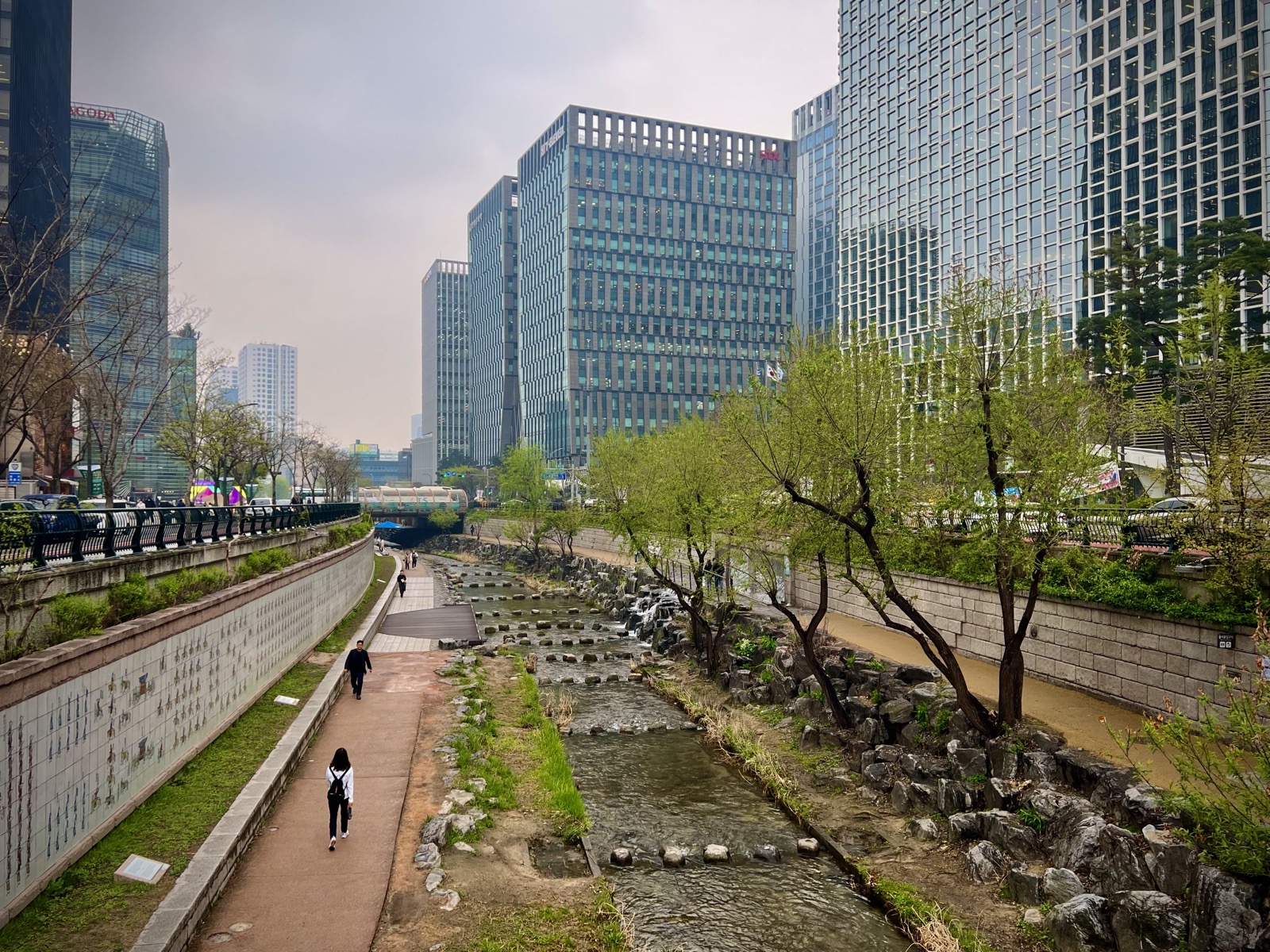
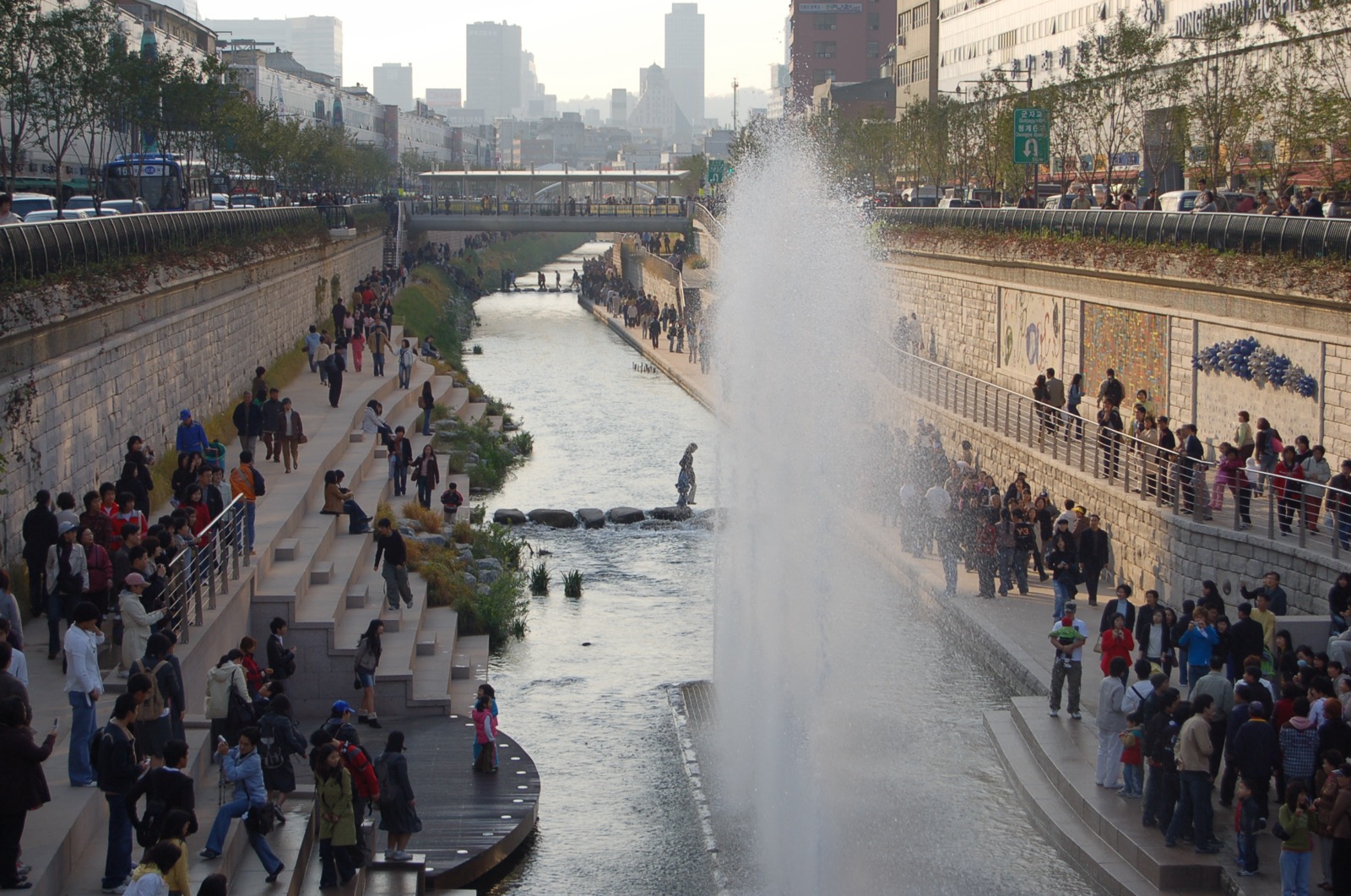
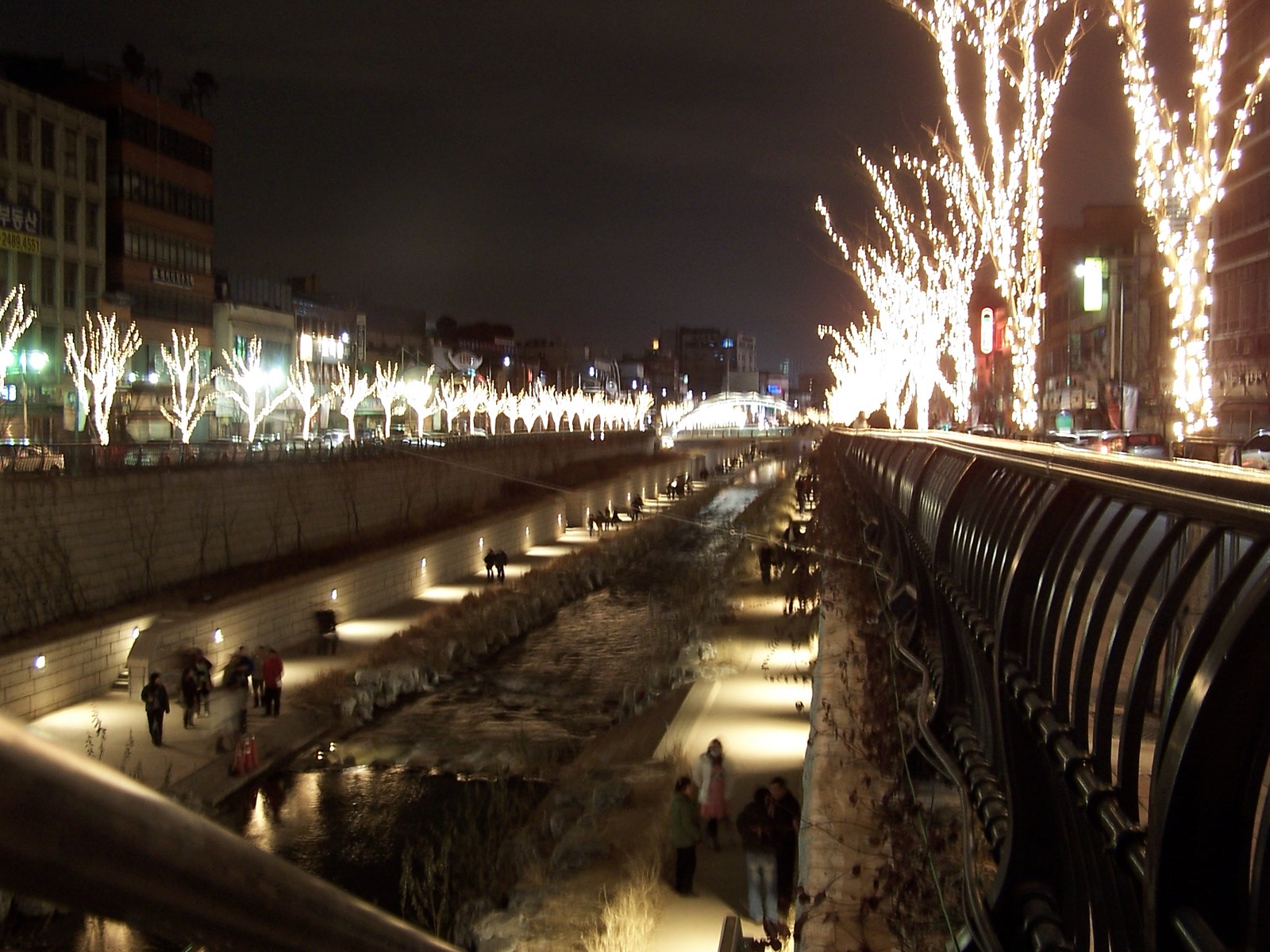
A restored urban stream flowing through the heart of Seoul. You can walk along the waterway from Gwanghwamun to Dongdaemun. It's close to Insa-dong and Jongno, perfect for a short break. It features beautiful nighttime illuminations and can be visited freely without reservations.
Shinsegae Department Store Gangnam (신세계백화점 강남점)
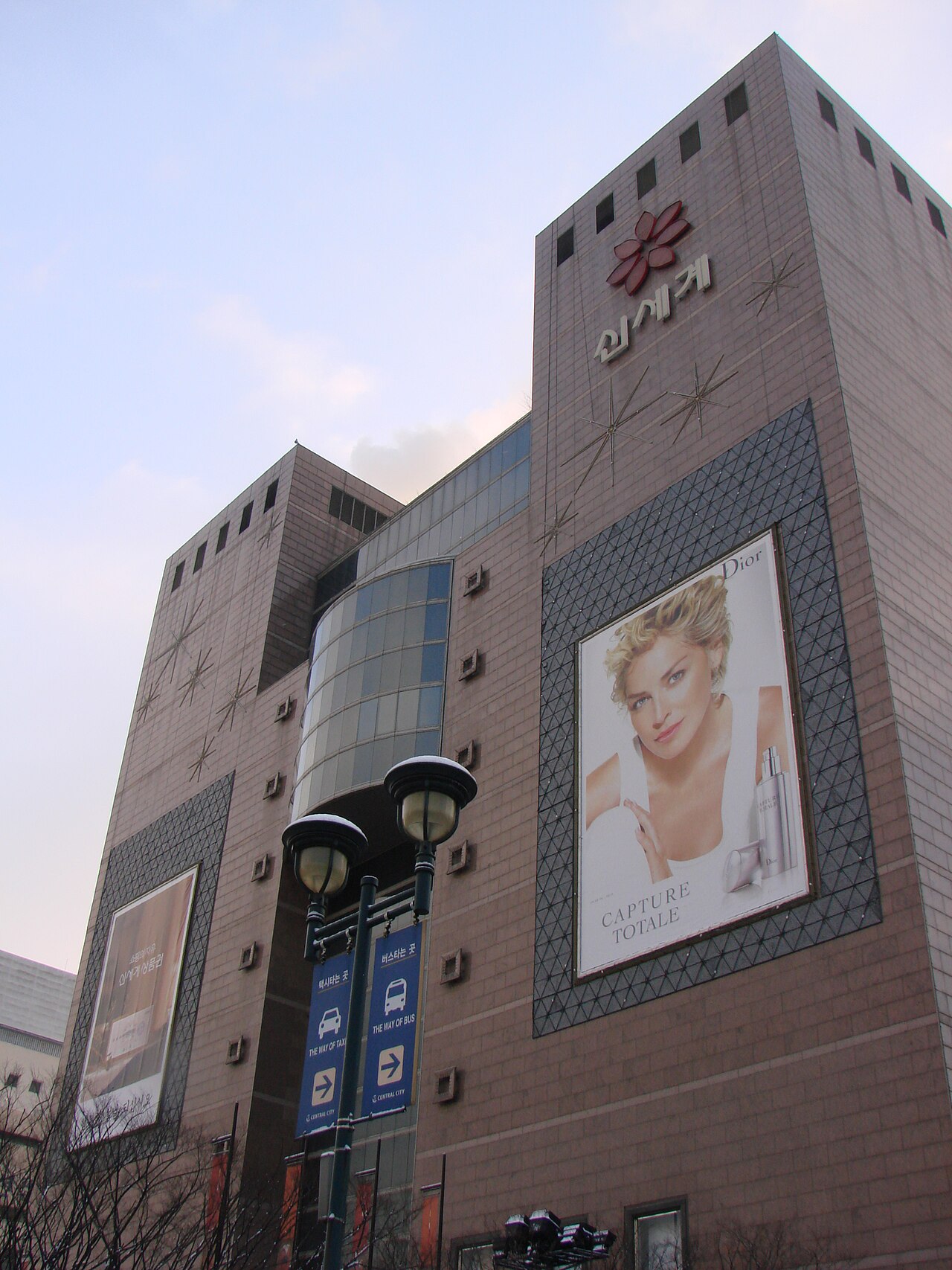
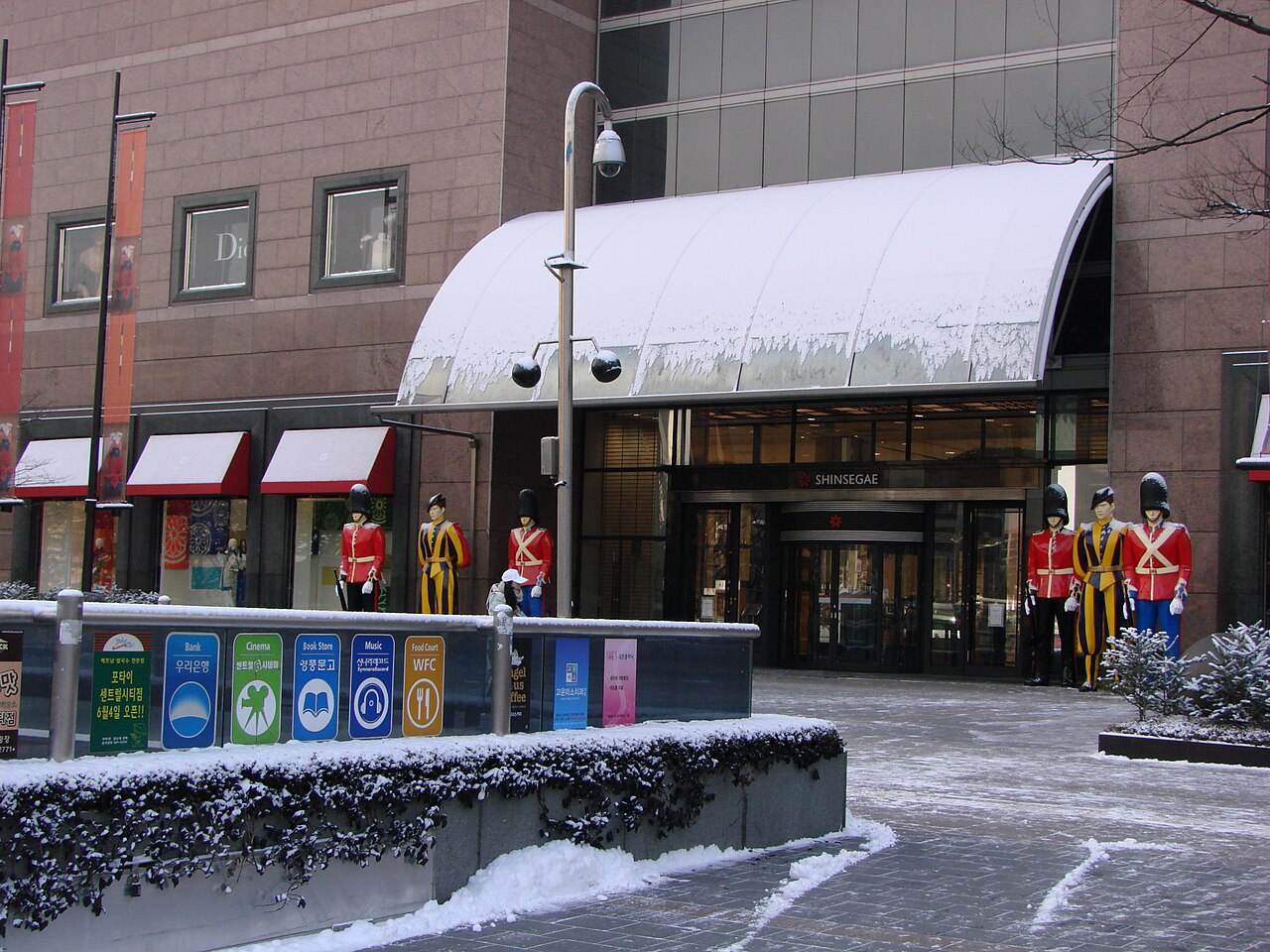
Korea's largest department store connected to Central City, once listed in the Guinness World Records as the world's largest. It offers one-stop shopping for luxury goods, fashion, beauty, and living. It features a tax refund counter for foreign tourists and is a great starting point for luxury shopping.
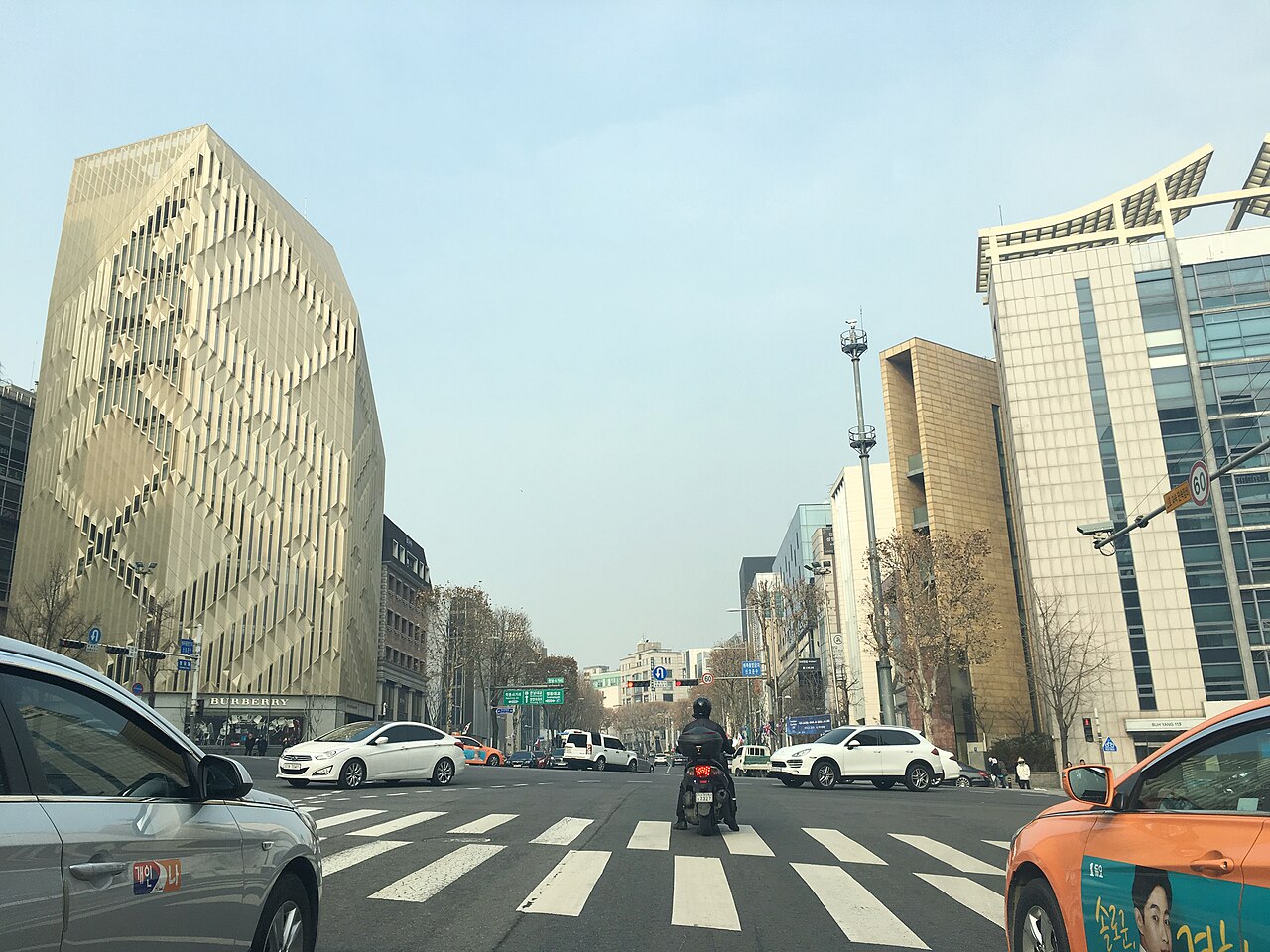
Cheongdam-dong Fashion Street (청담동 명품거리)
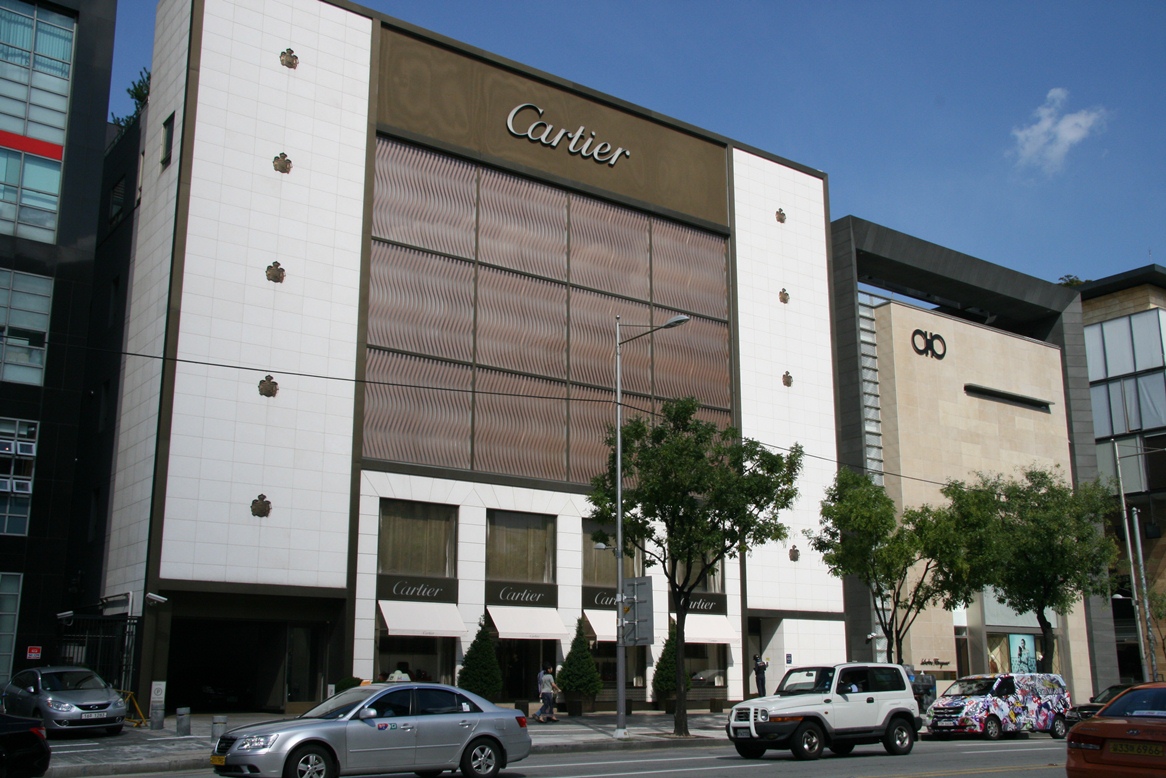
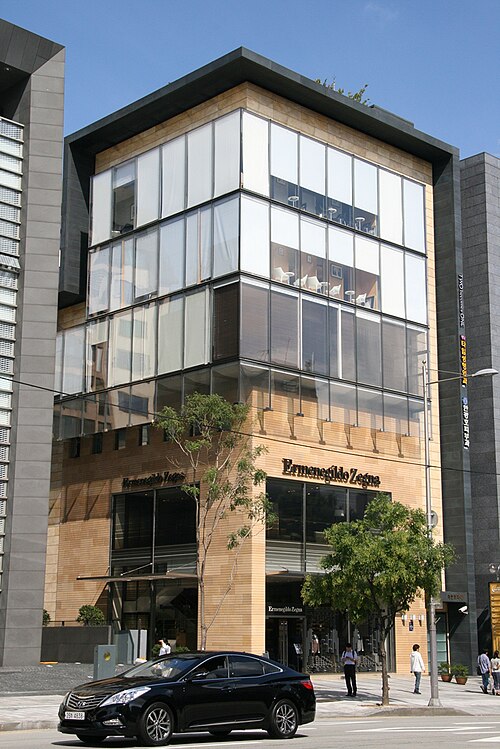
A luxury street in Gangnam crowded with flagship stores of global high-end brands like Chanel, Hermes, Louis Vuitton, and Gucci. It offers plenty of sights even for window shopping with its sophisticated architecture. Popular for those seeking a private shopping experience.
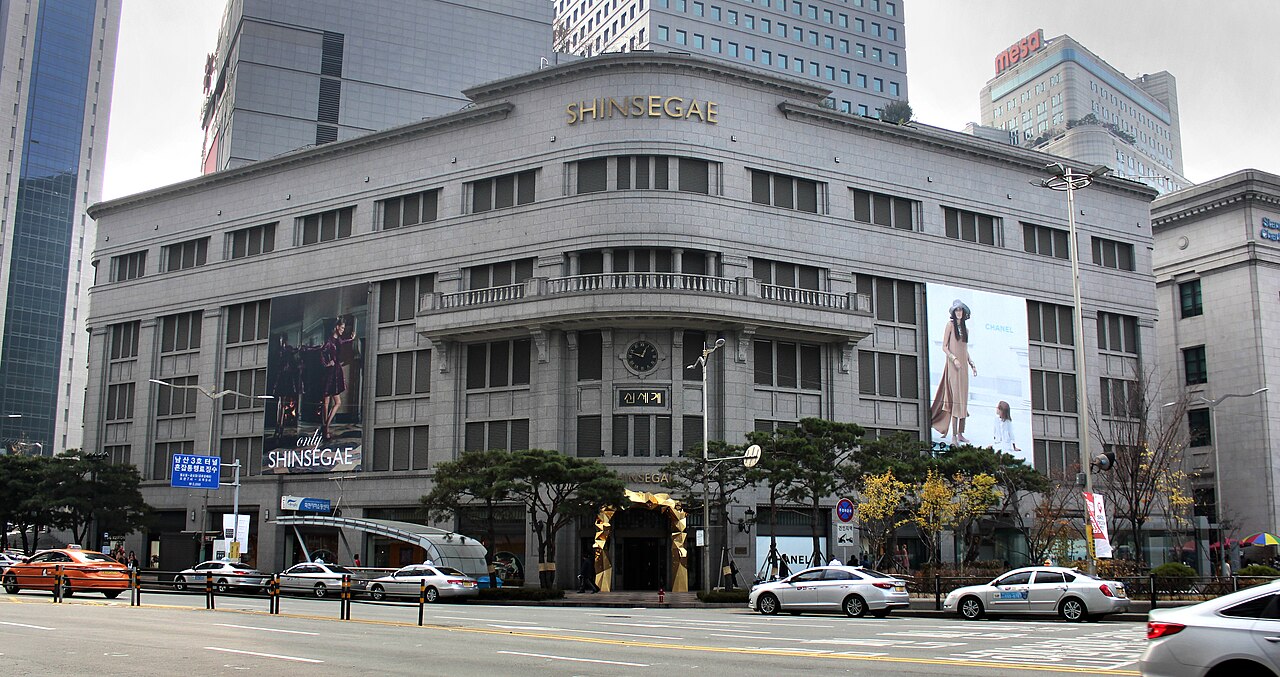
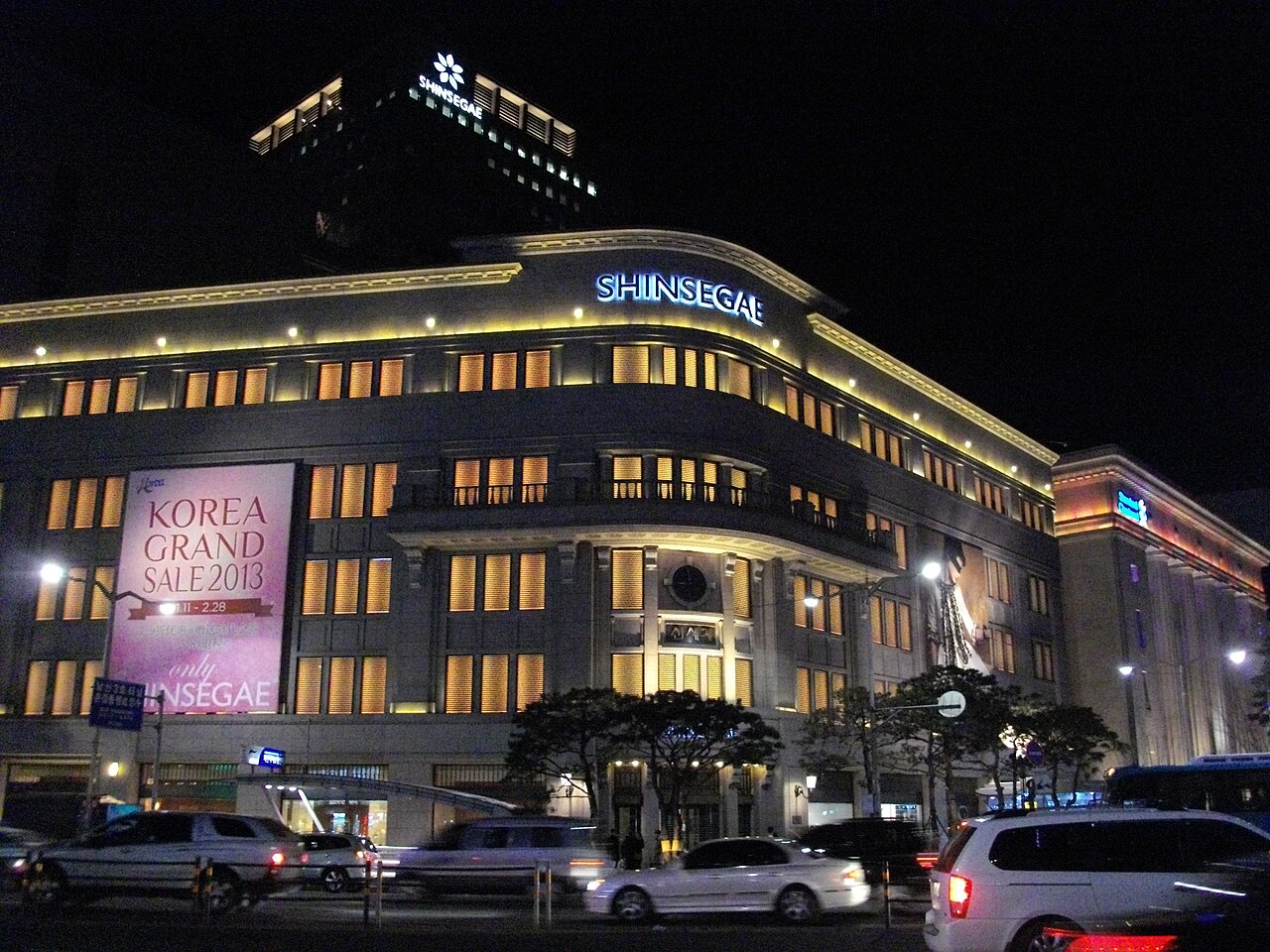
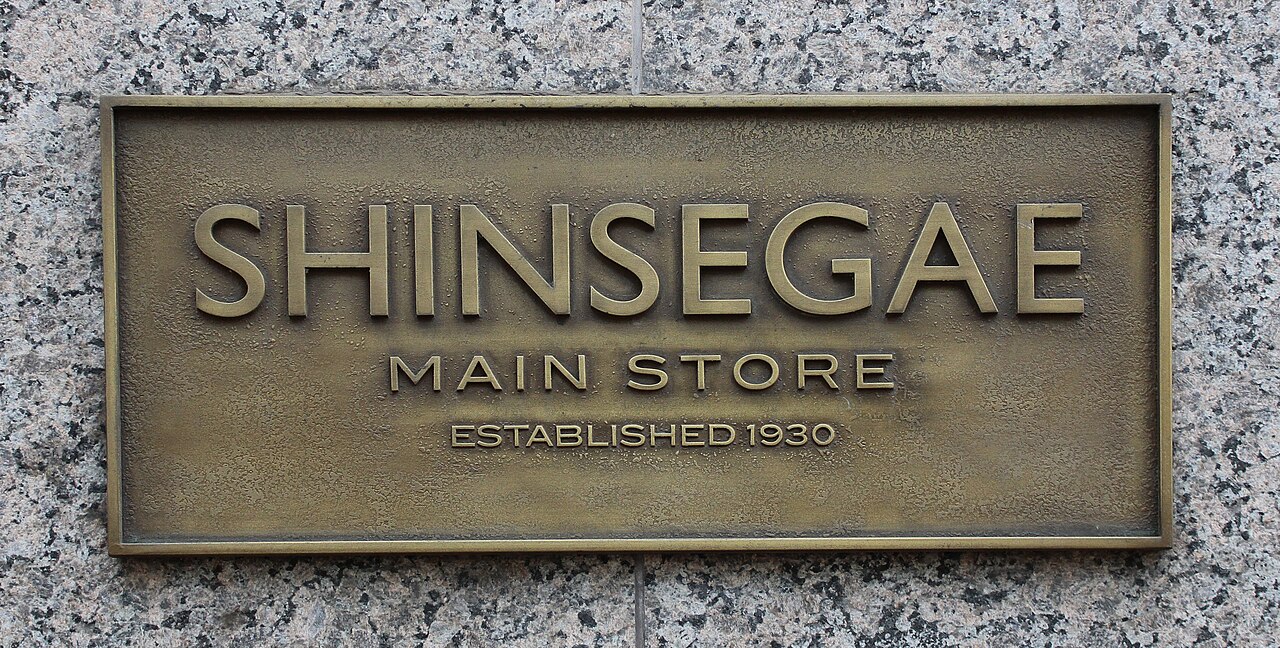
Shinsegae Duty Free Myeongdong (신세계면세점 명동점)
A duty-free shop located in the Shinsegae Department Store Main Building in Myeongdong. It's ideal for tax-free luxury cosmetics, perfumes, and fashion. The building itself preserves modern architecture. Located perfectly for a final shopping stop in Myeongdong. Immediate duty-free benefits are available with a passport.
Dongdaemun Fashion Town (동대문 패션타운)
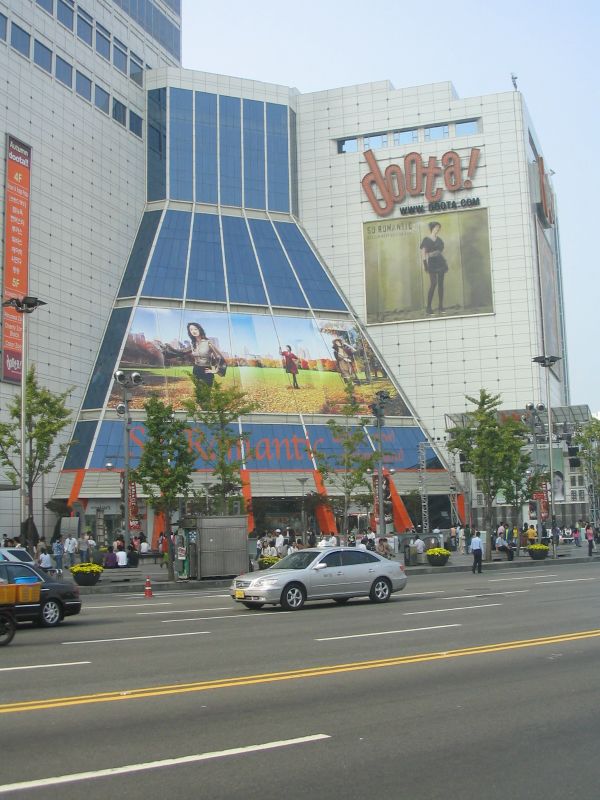
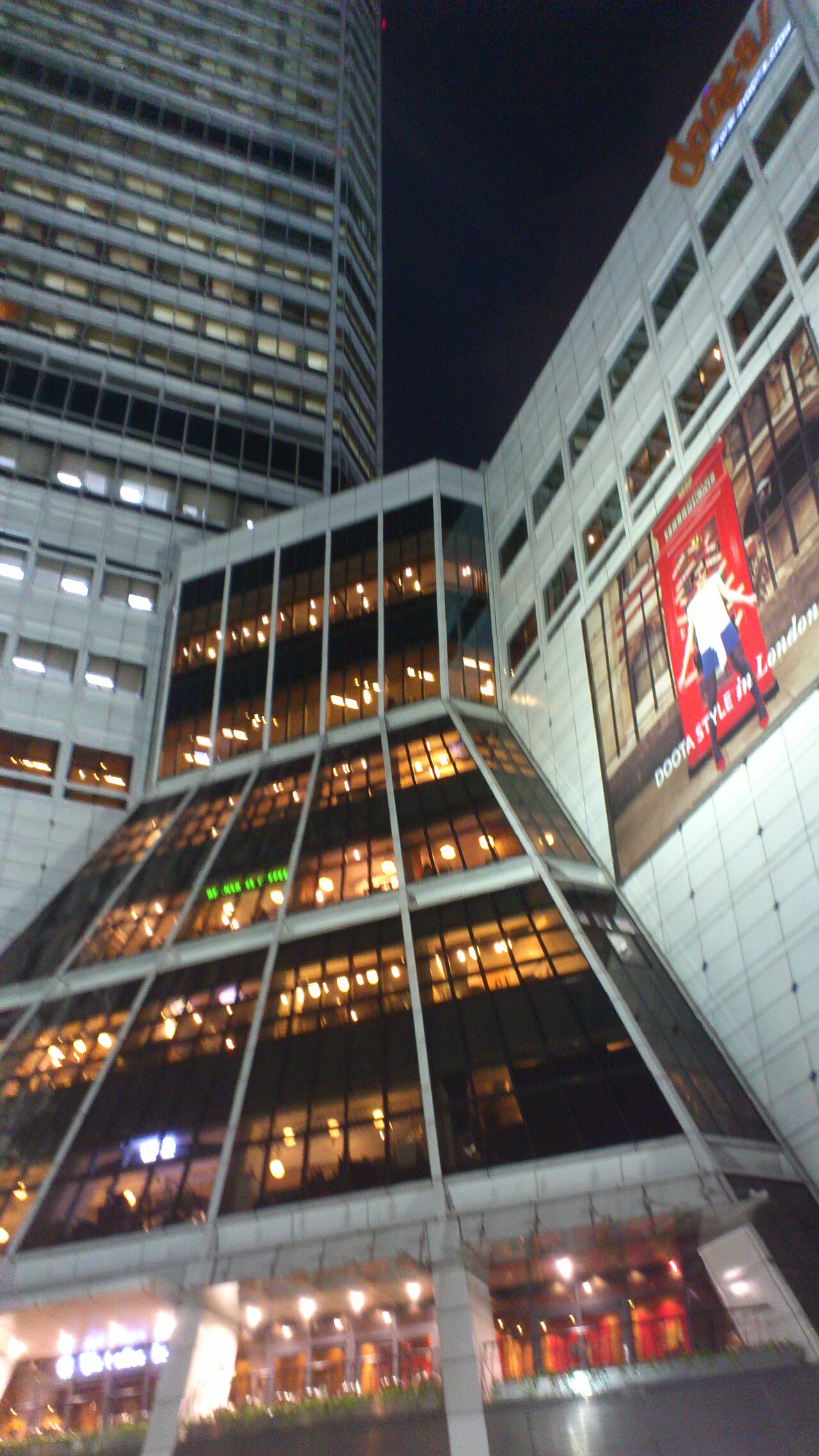
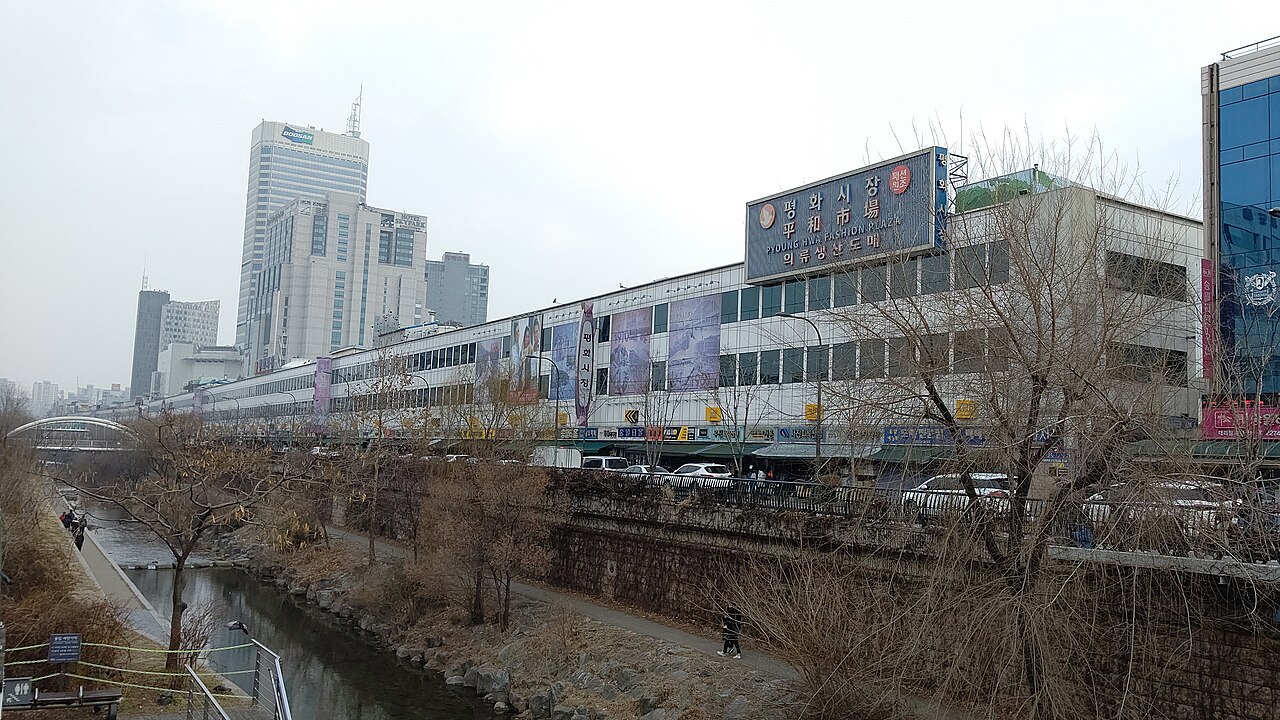
A wholesale and retail shopping district with large malls like Doota and Pyeonghwa Market. You can buy trendy clothes and accessories at low prices. Retail malls operate by day while wholesale markets open at night. Recommended for those looking for bulk purchases or trend-sensitive items.