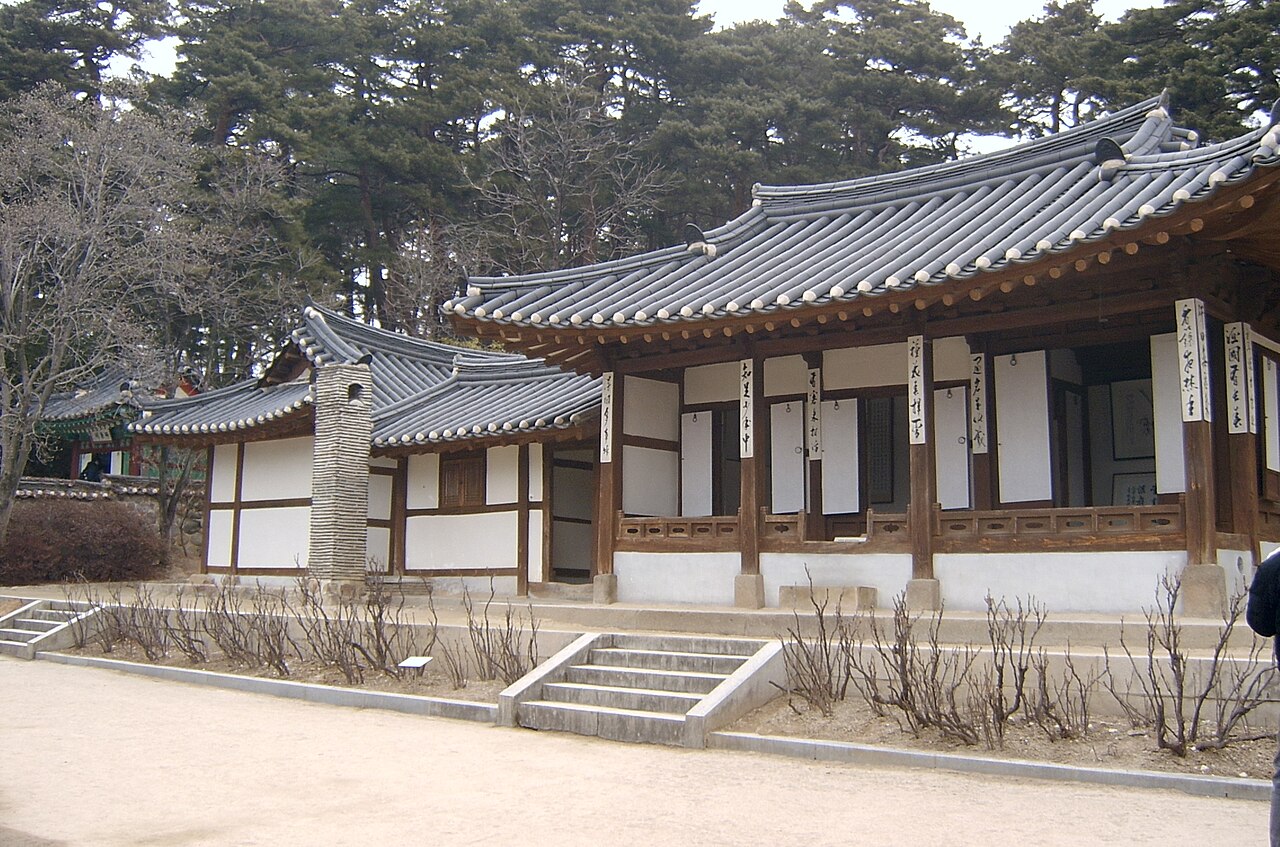
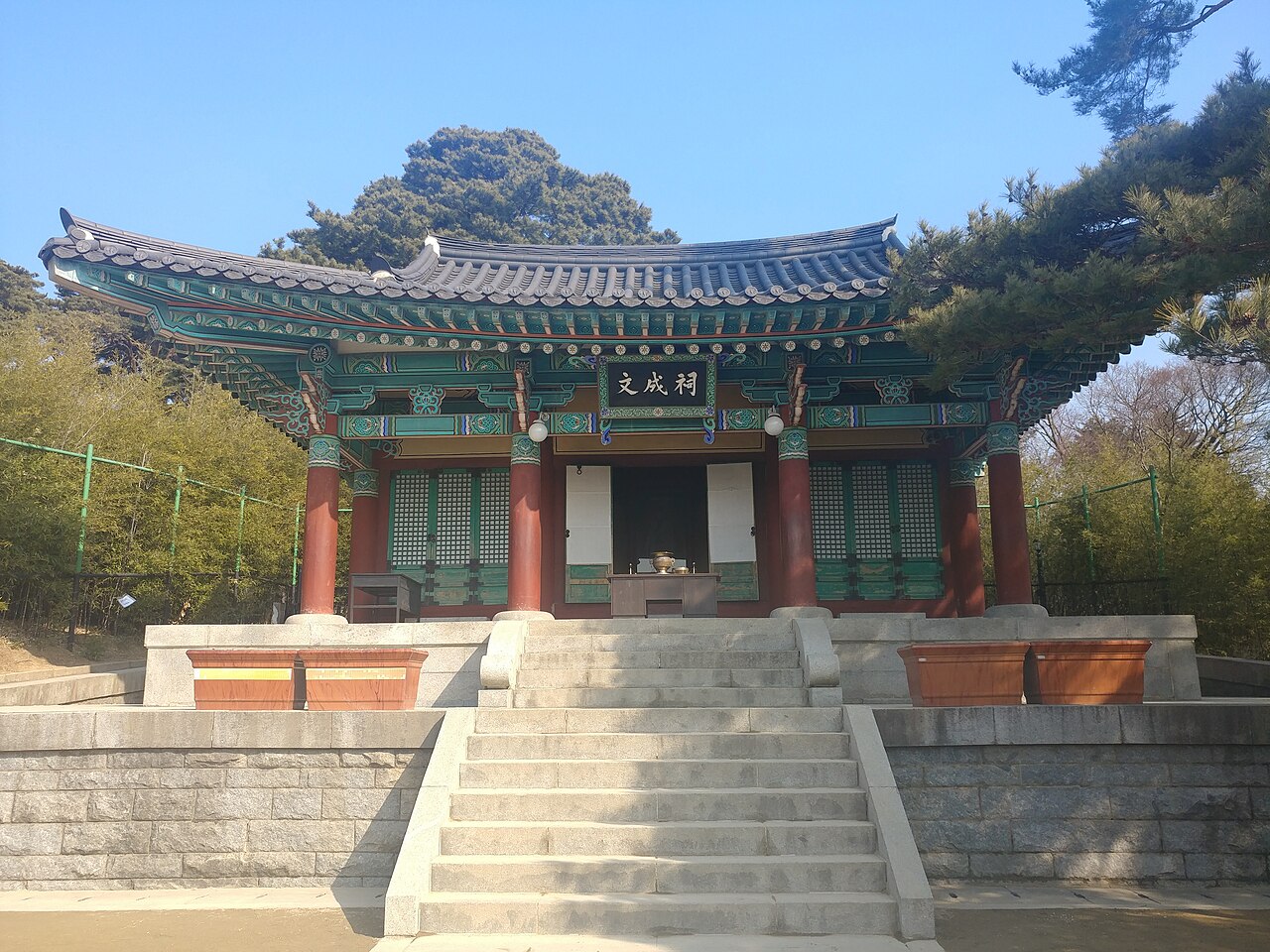
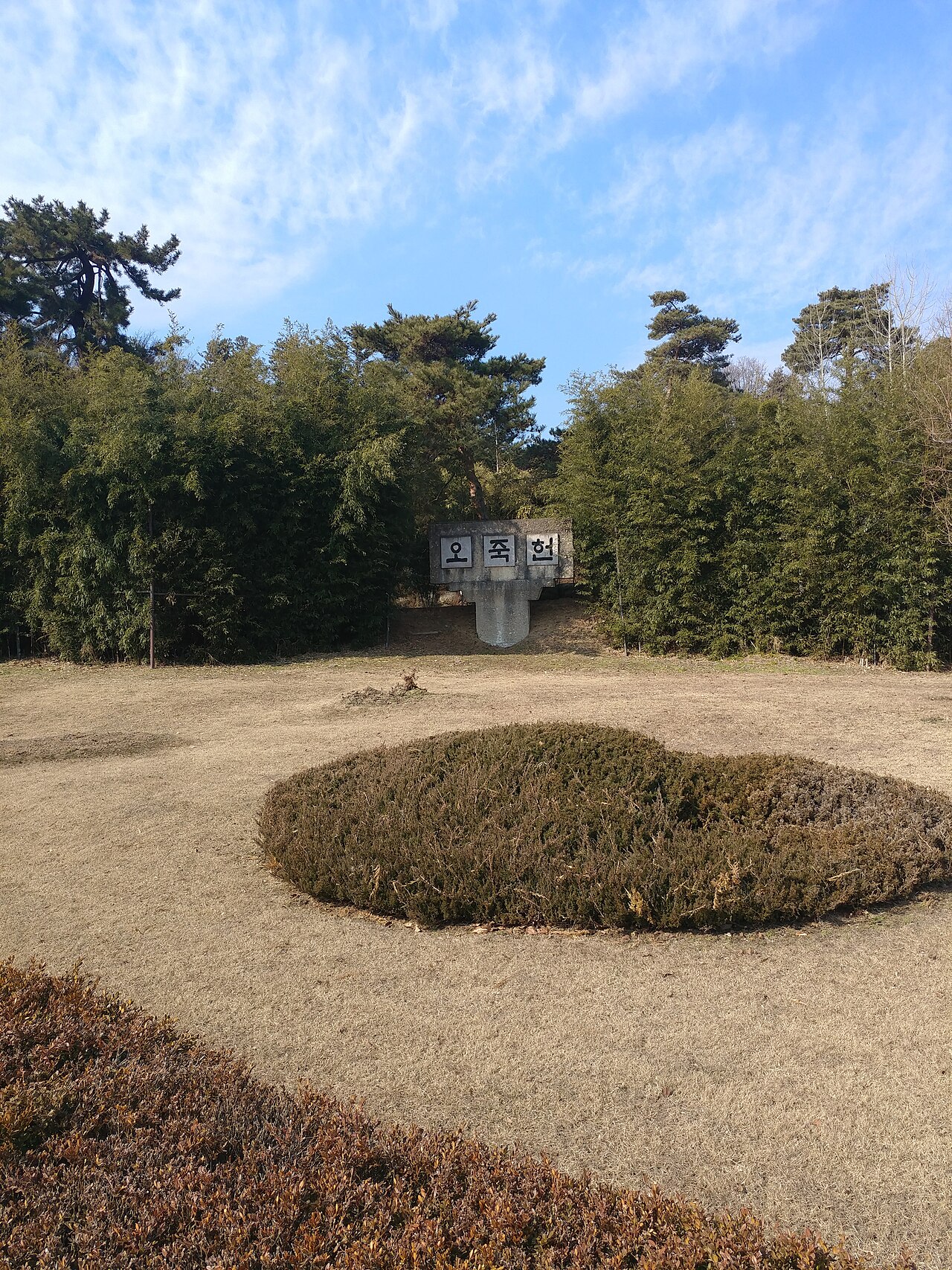
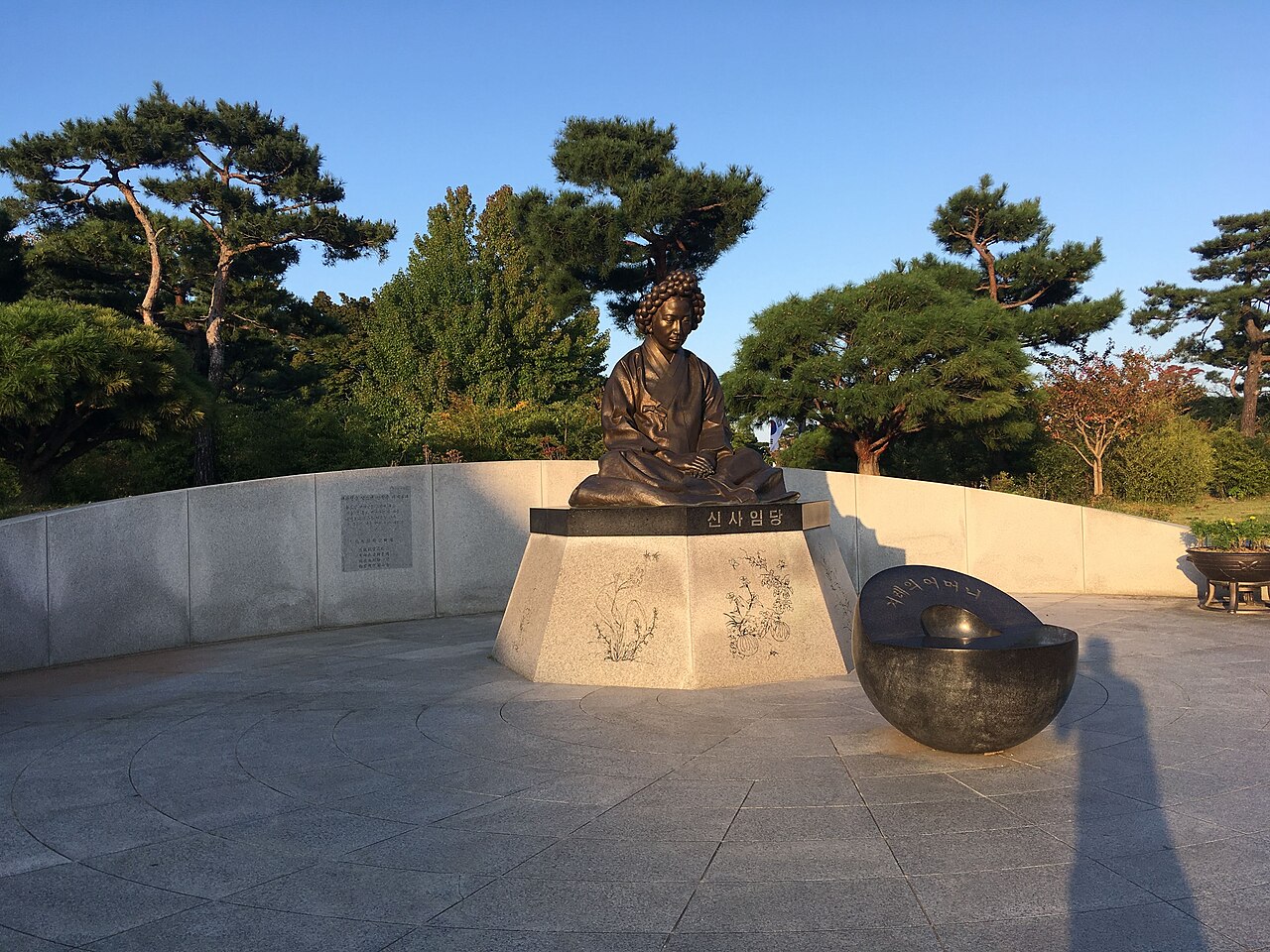
Ojukheon (오죽헌)
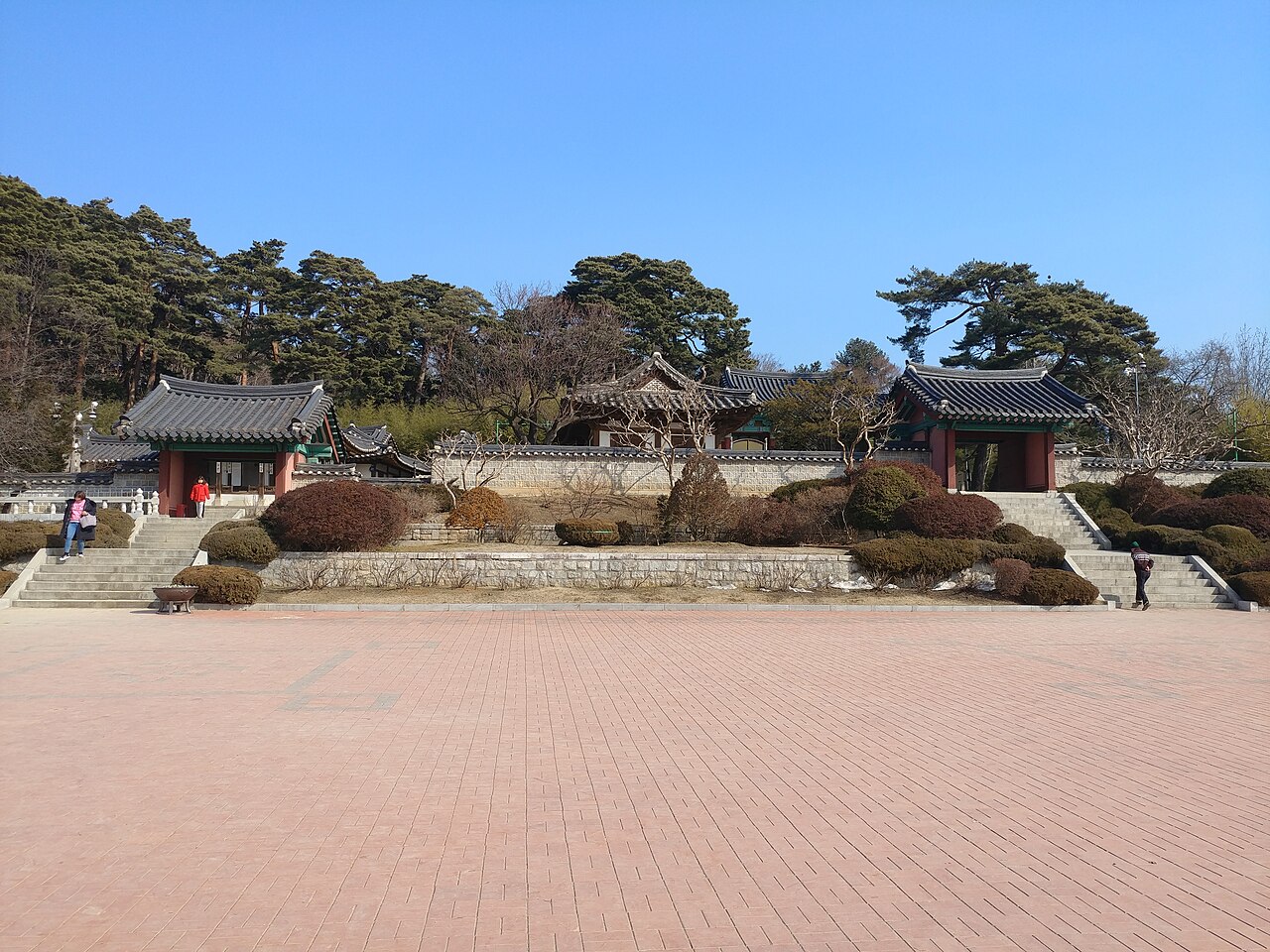
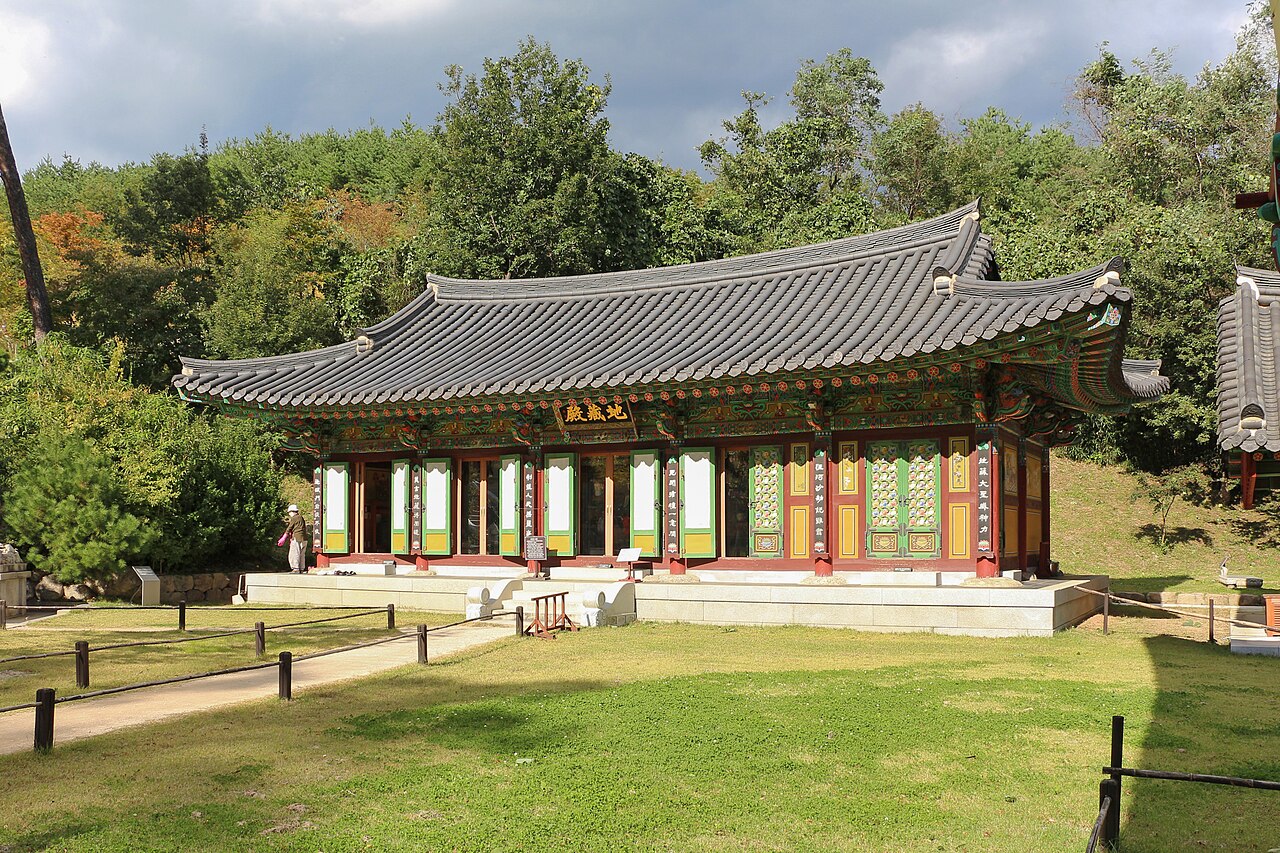
A representative Joseon-era house where Yulgok Yi I and Shin Saimdang were born, named after the black bamboo (Ojuk) that surrounds the courtyard. By exploring Mongryongsil and Eojegak, one of the oldest wooden buildings in Korea, you can experience Joseon's Confucian culture up close.
Seoraksan National Park (설악산국립공원)
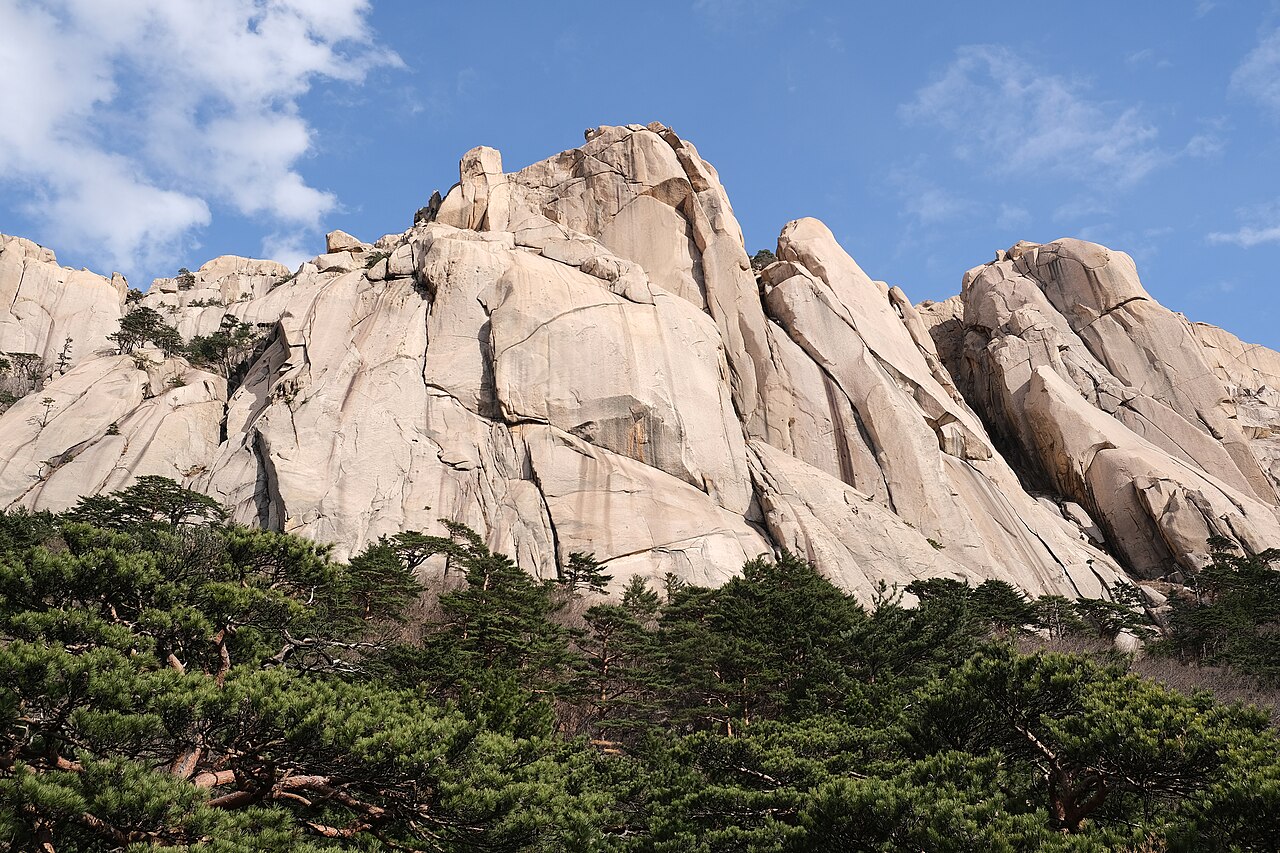
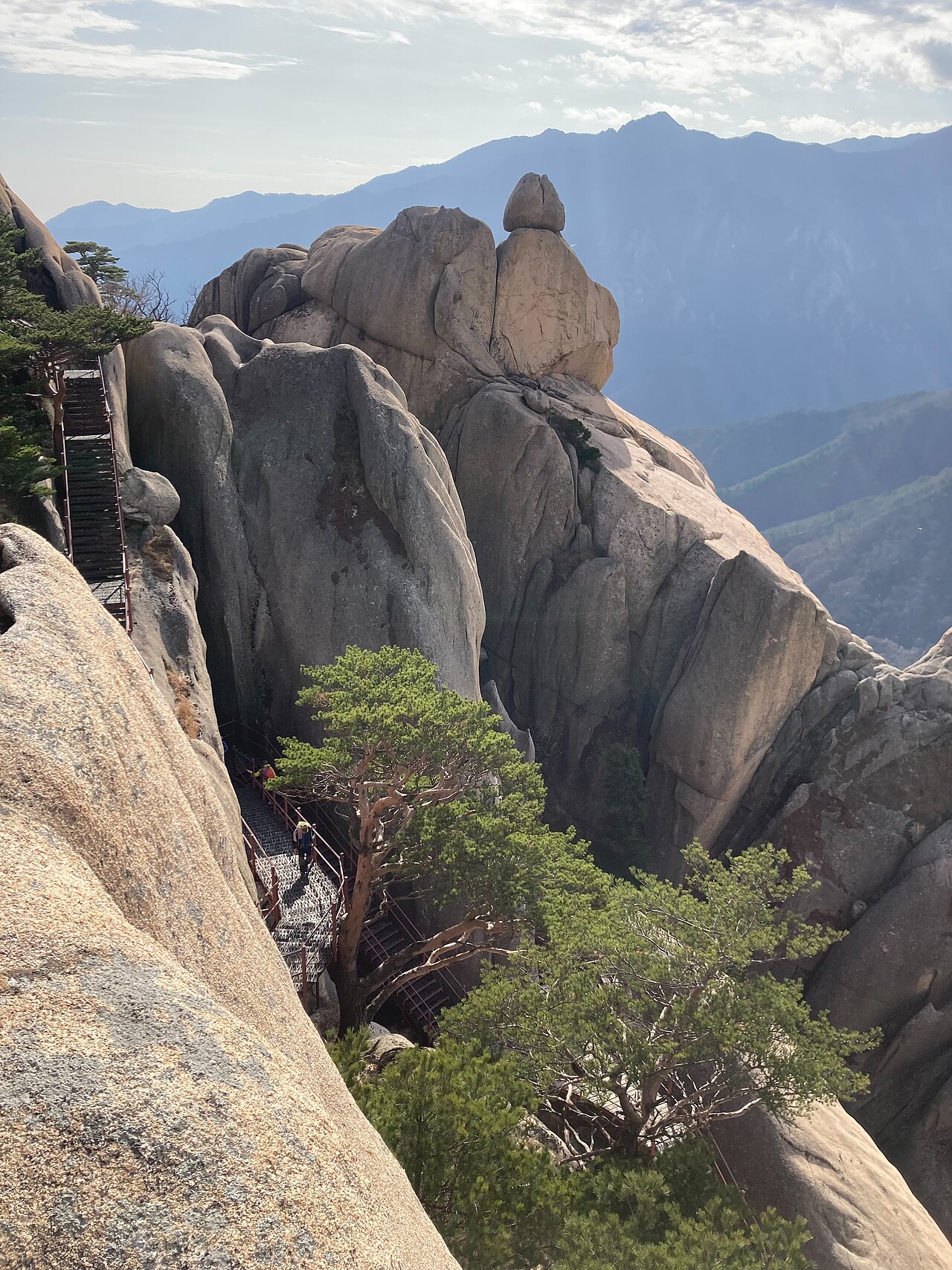
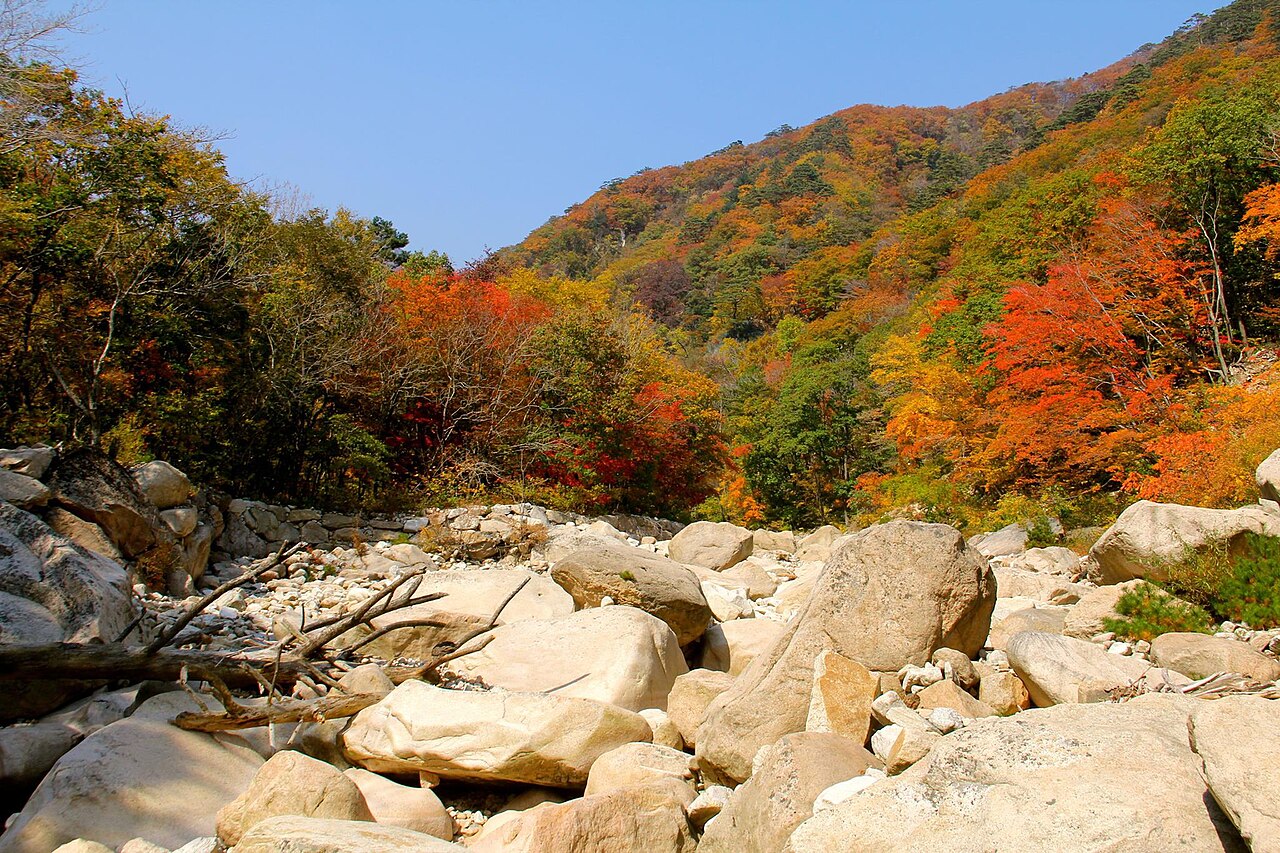
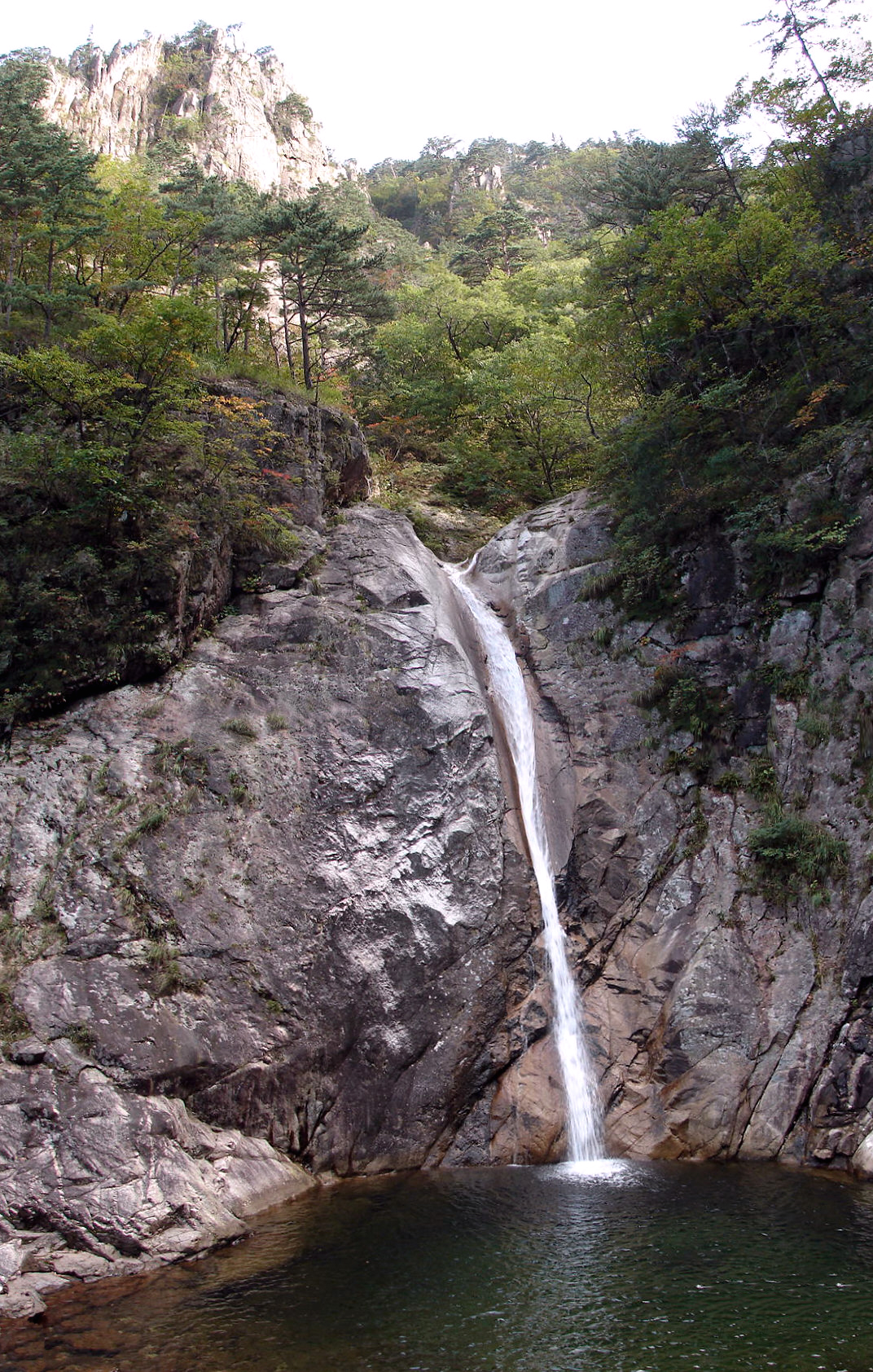
A premier Korean national park where the majestic Ulsanbawi Rock, Heundeulbawi (rocking rock), and seasonal scenery reach their peak during the autumn foliage season. Designated as a UNESCO Biosphere Reserve, the cable car allows families and the elderly to comfortably reach the summit area in just 10 minutes round trip.
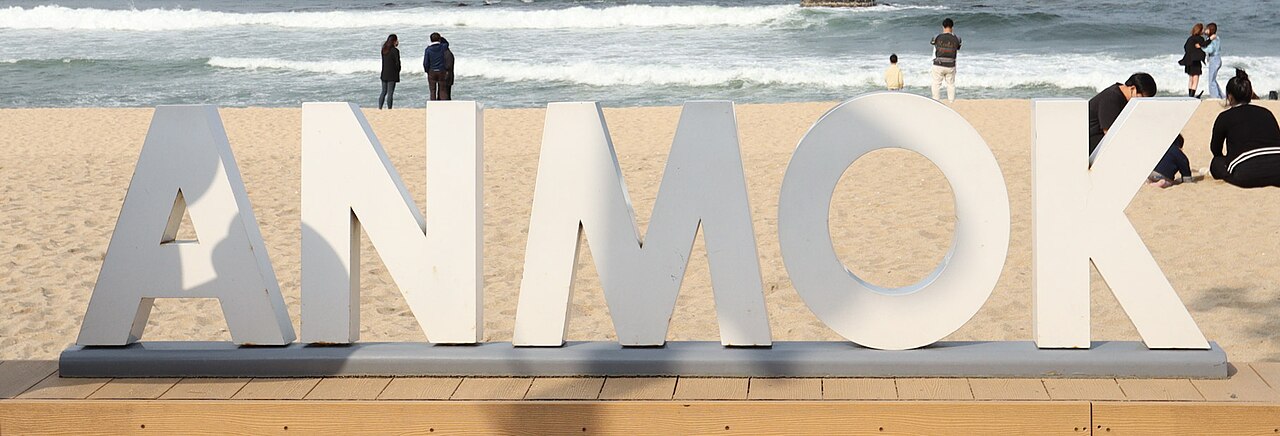
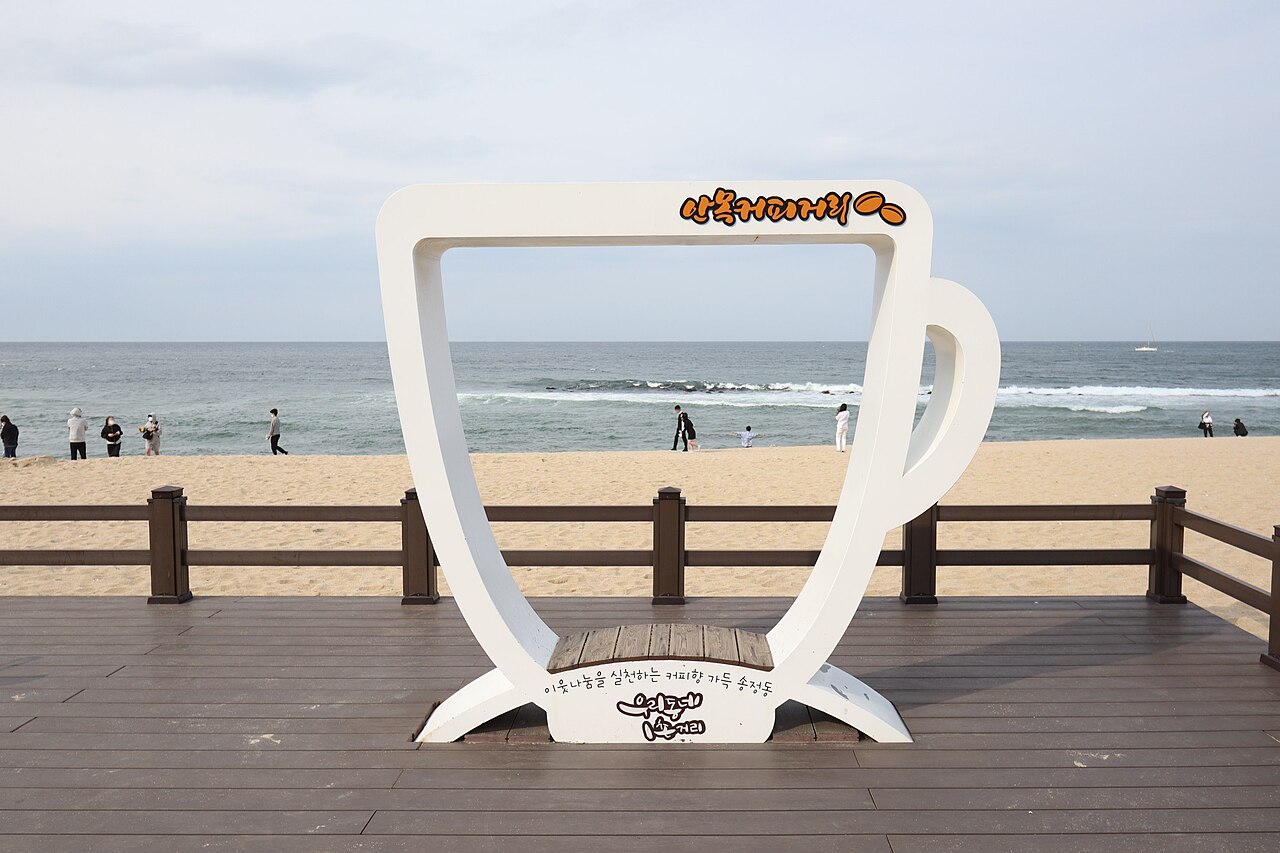
Gangneung Anmok Beach Coffee Street (강릉 안목해변 커피거리)
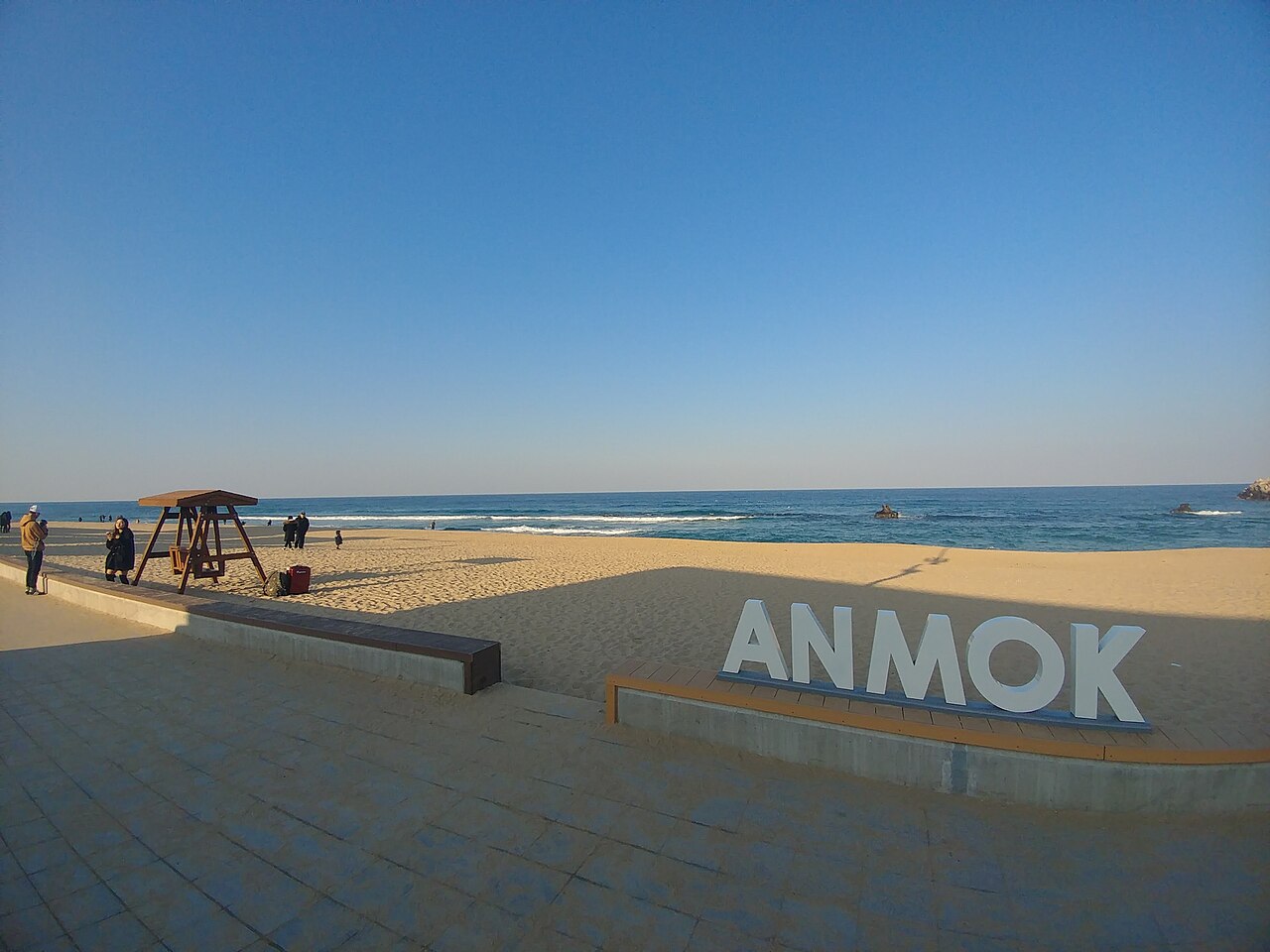
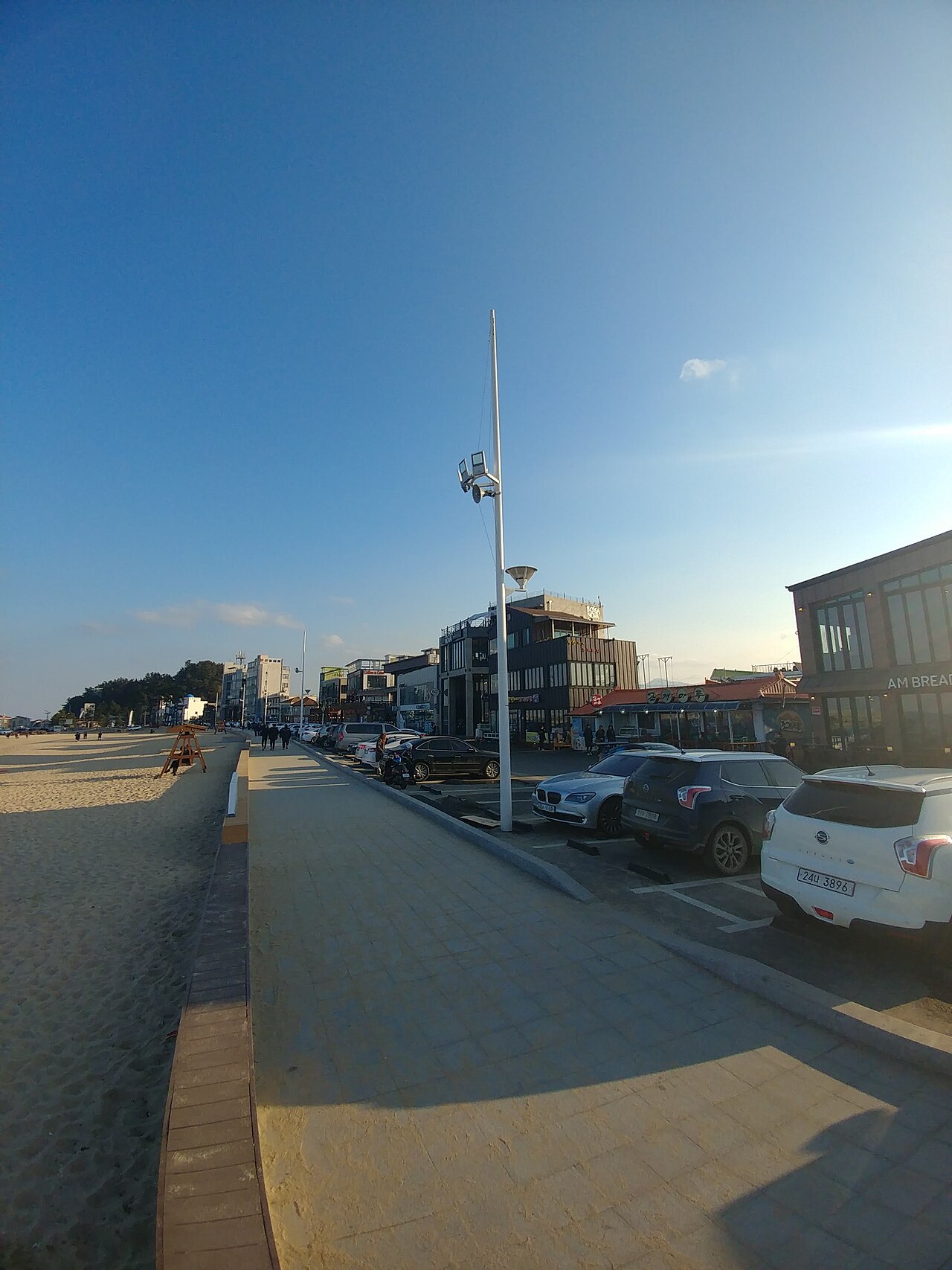
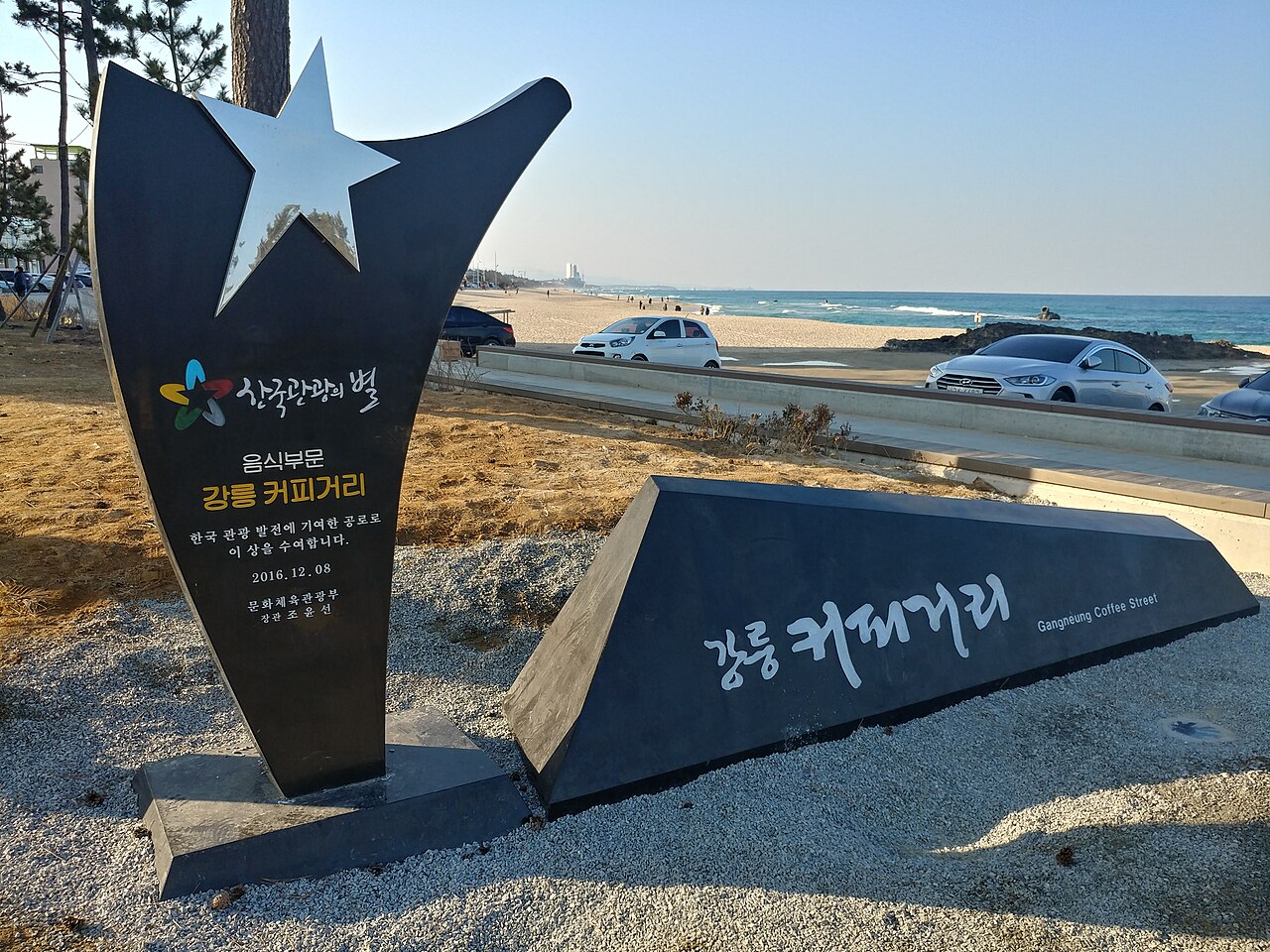
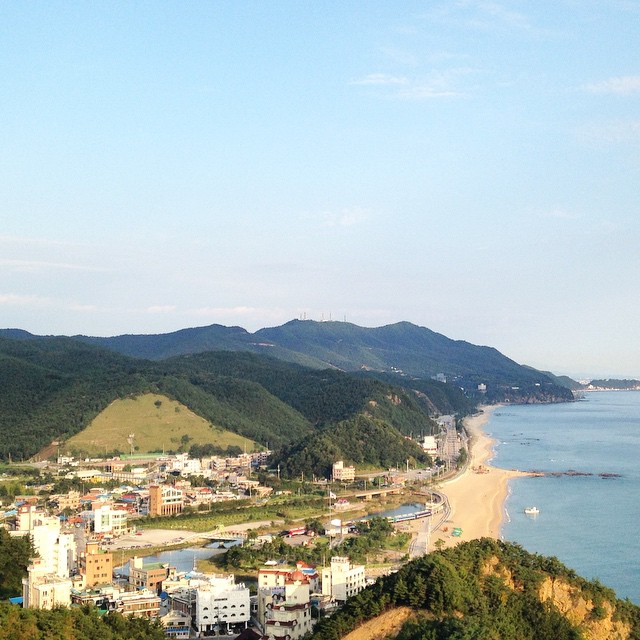
Gangneung's representative coffee destination with dozens of unique cafes lined along the East Sea coast. It evolved from an alley of coffee vending machines to today's coffee street. A cup of coffee enjoyed to the sound of waves combined with the beach promenade offers special healing for premium travelers.
Sokcho Abai Village (속초 아바이마을)
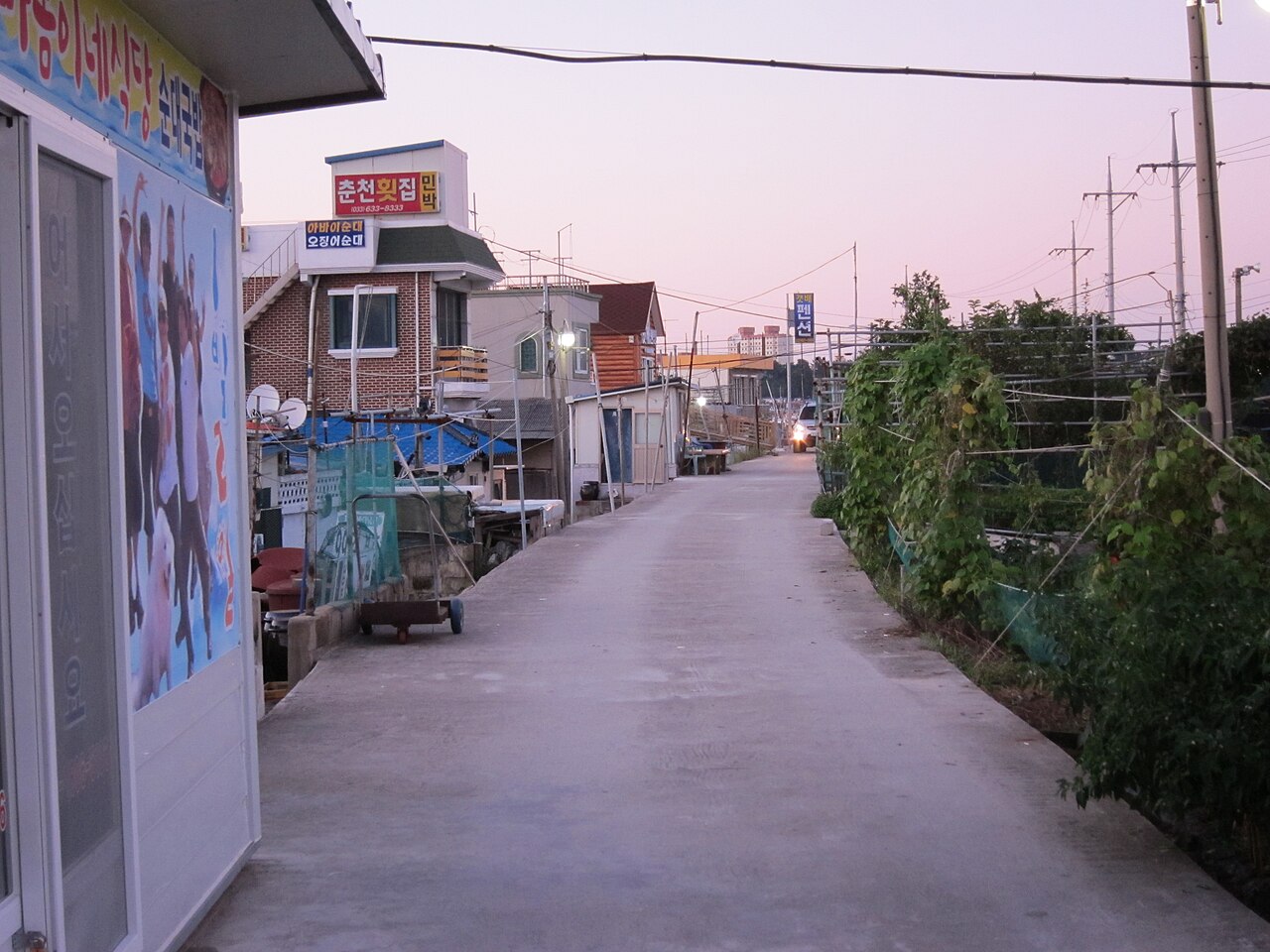
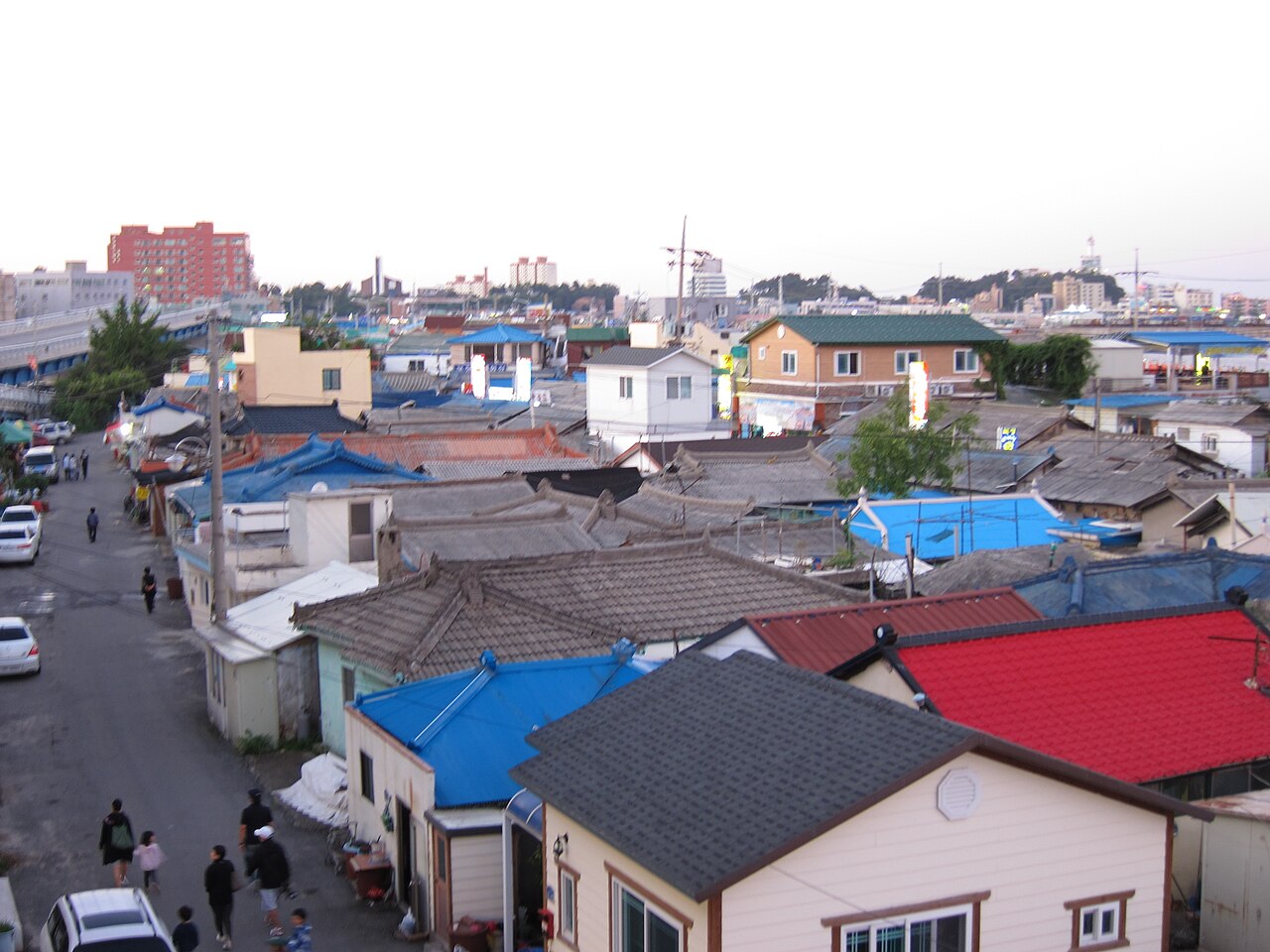
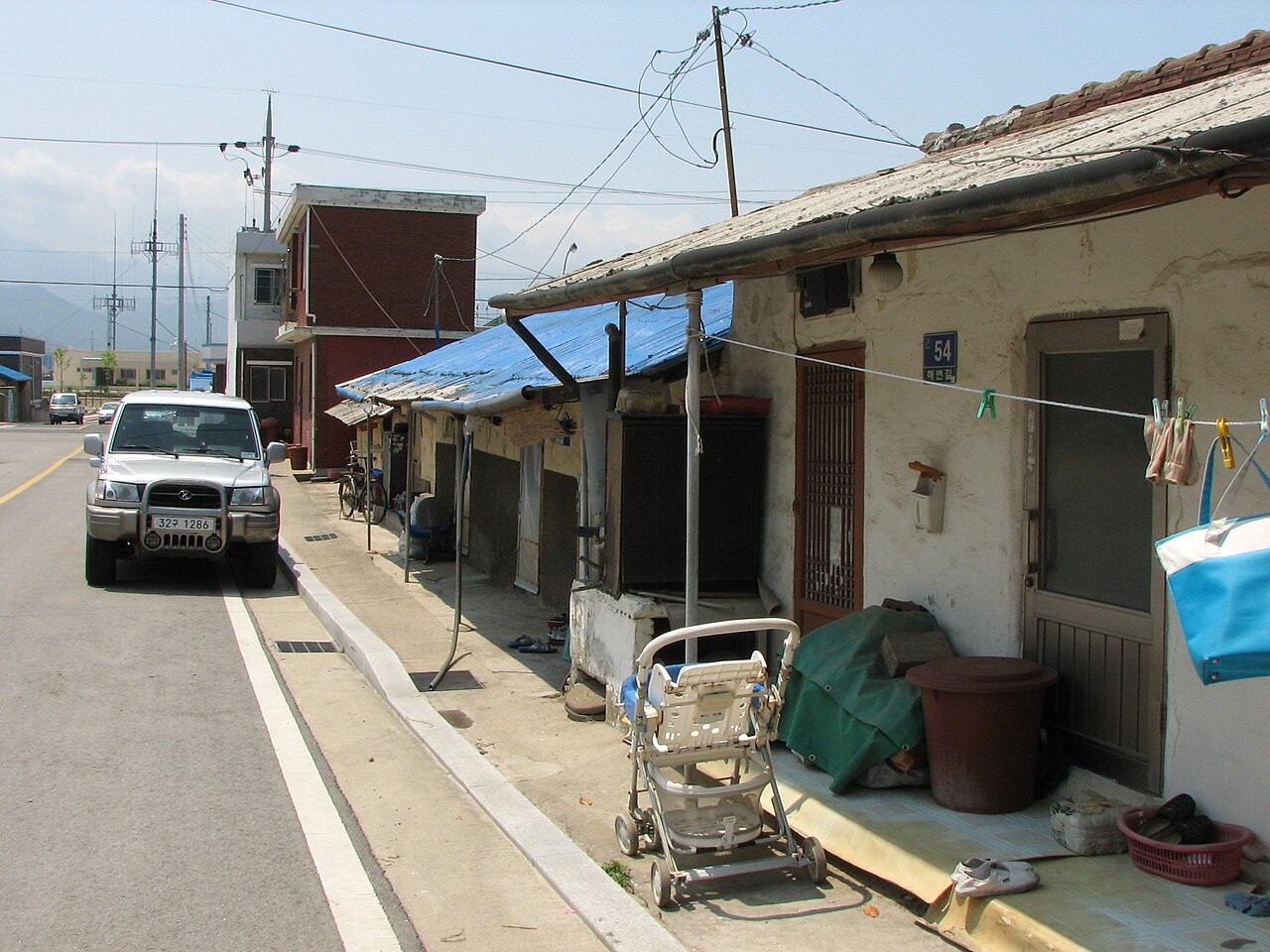
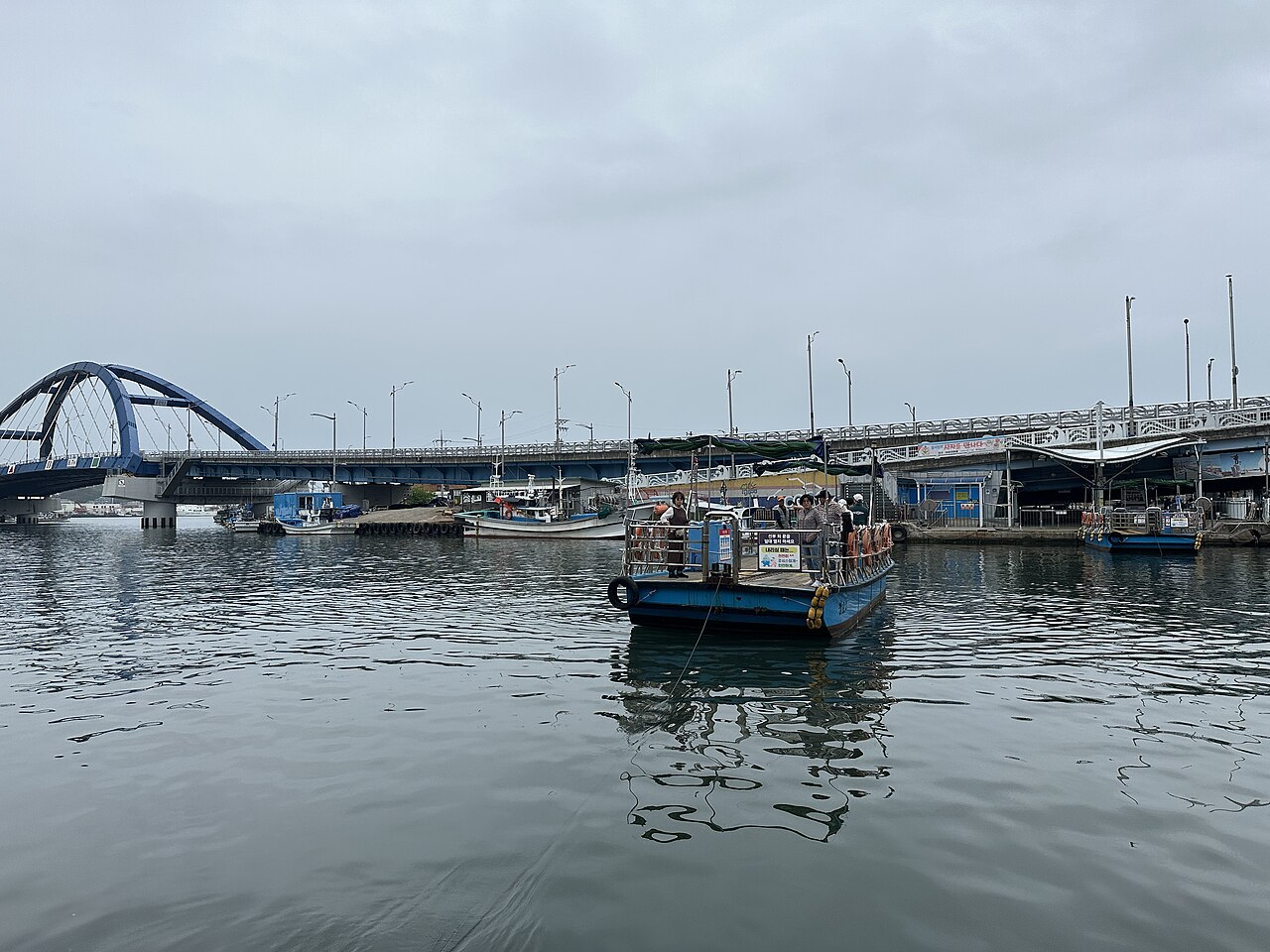
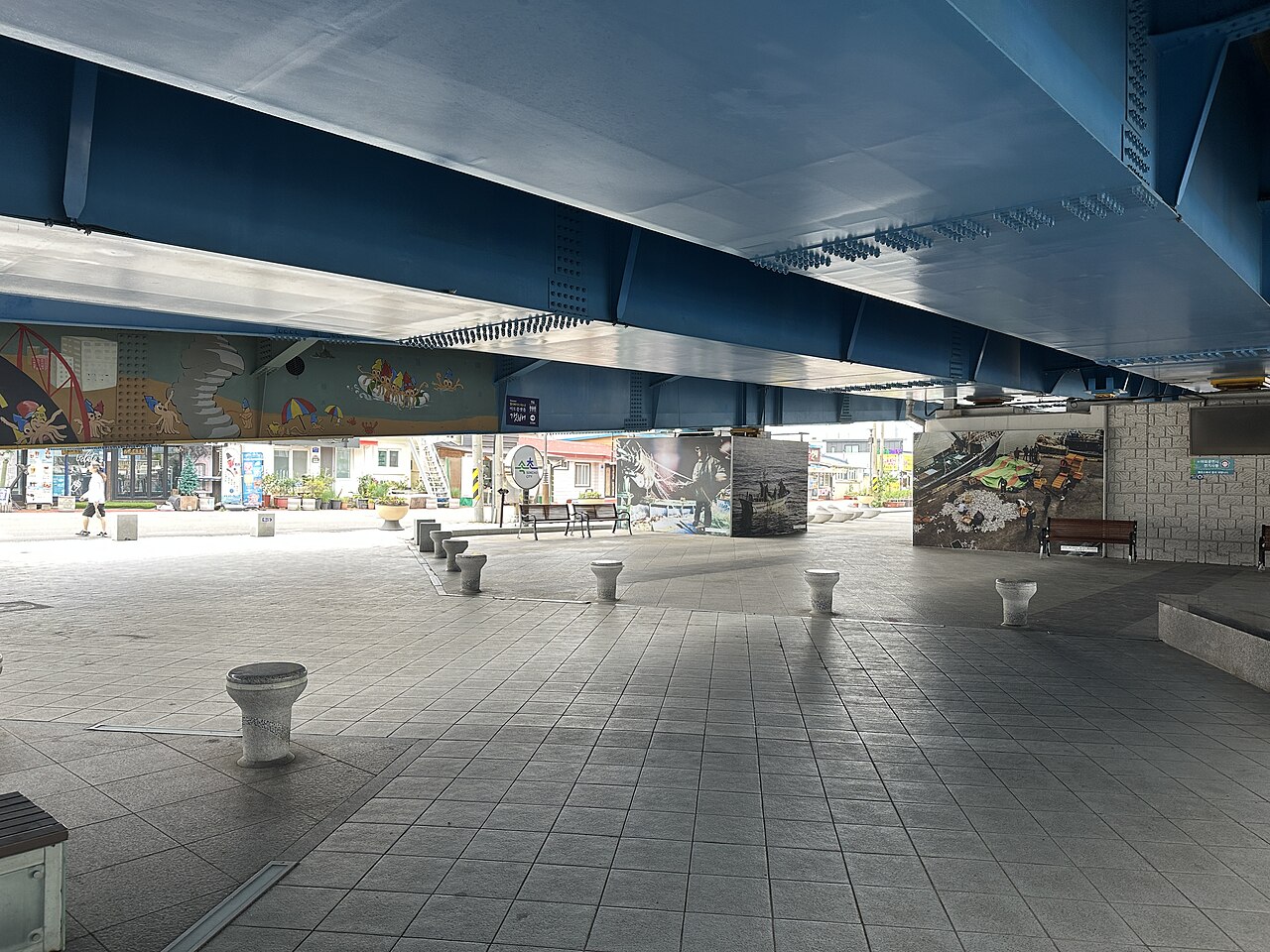
A unique village settled by refugees from the Korean War, preserving Hamgyong-do culture and famous for its Abai sundae and squid sundae. The 'Gaetbae,' a traditional raft moved by passengers pulling ropes, is a representative photo spot that can be experienced for a small fee.
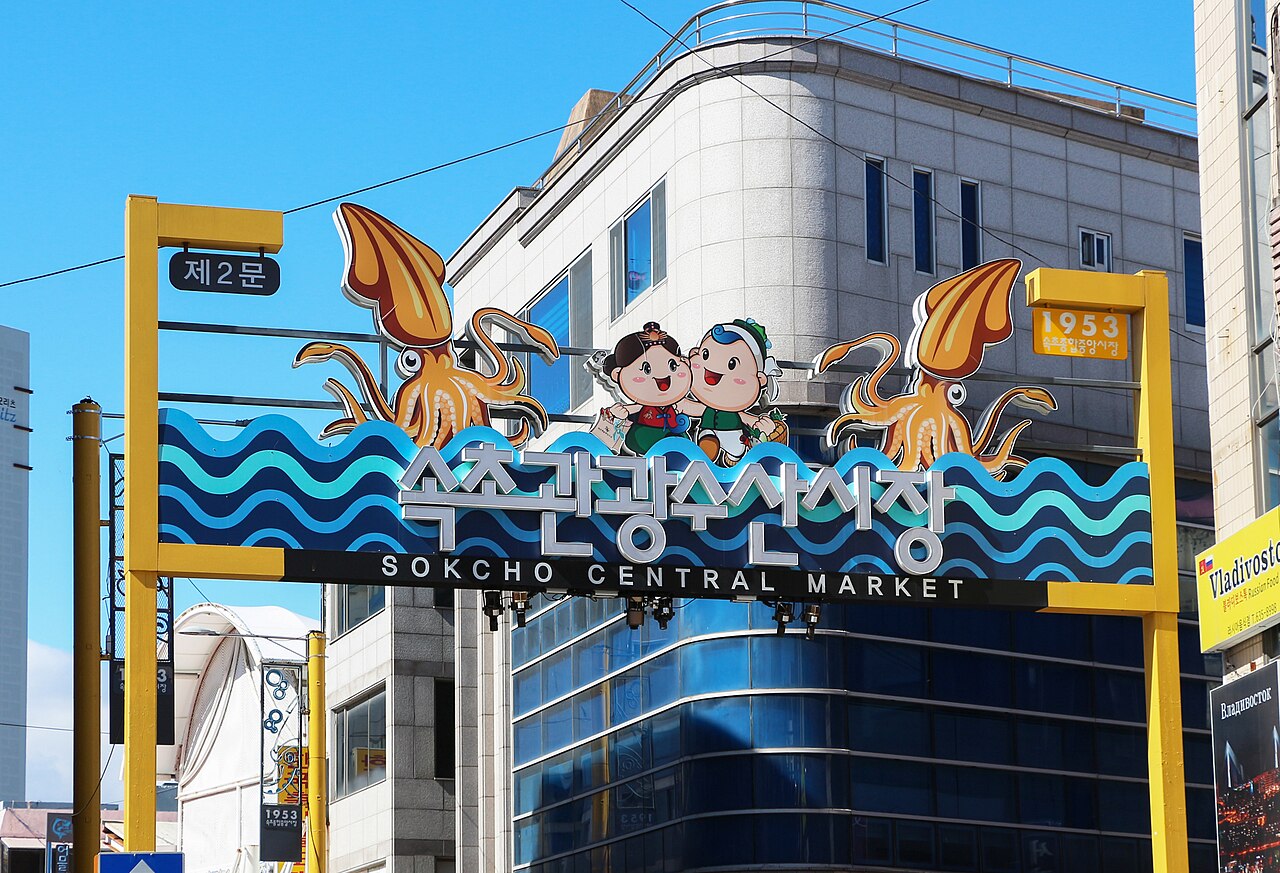
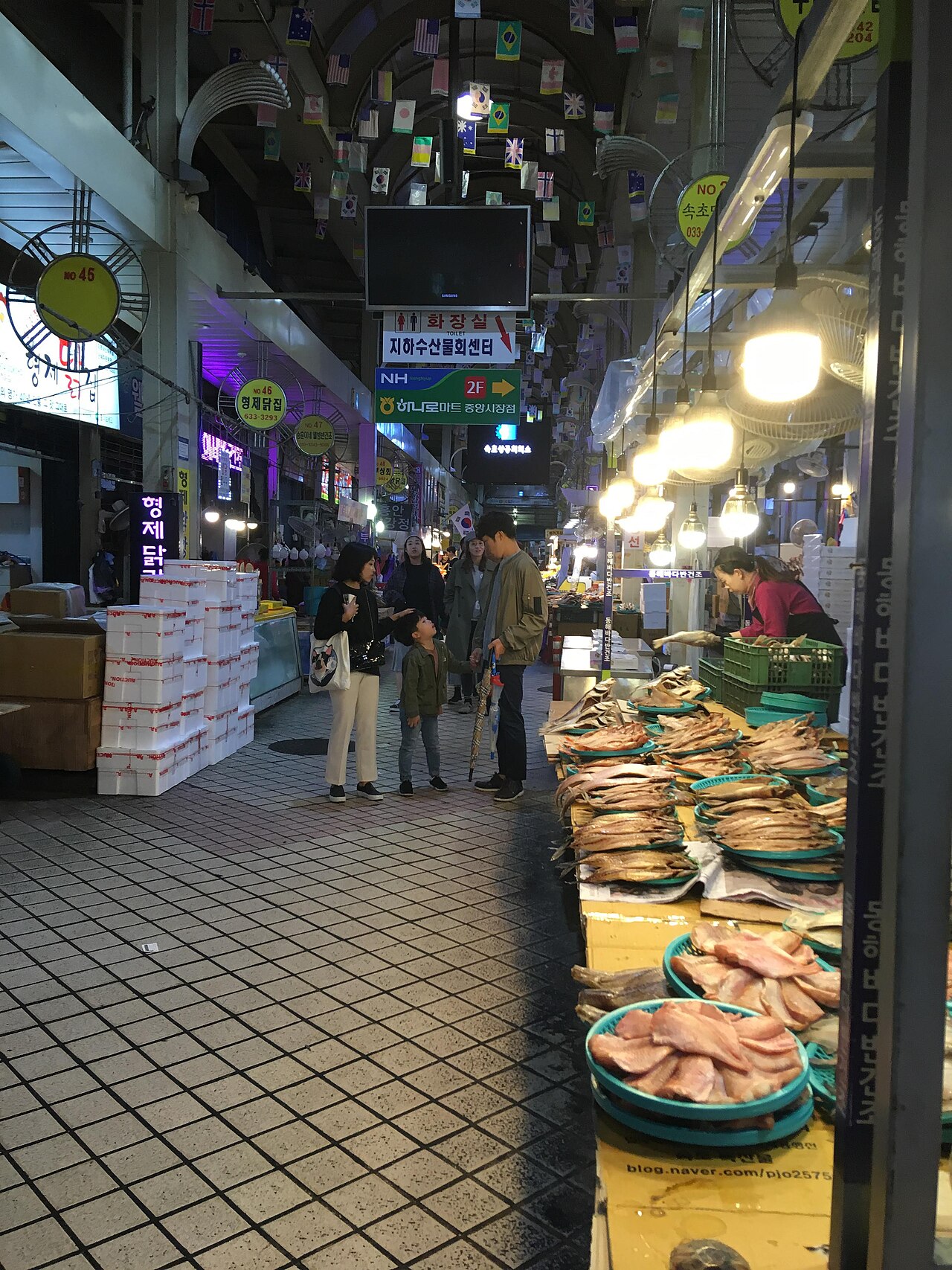
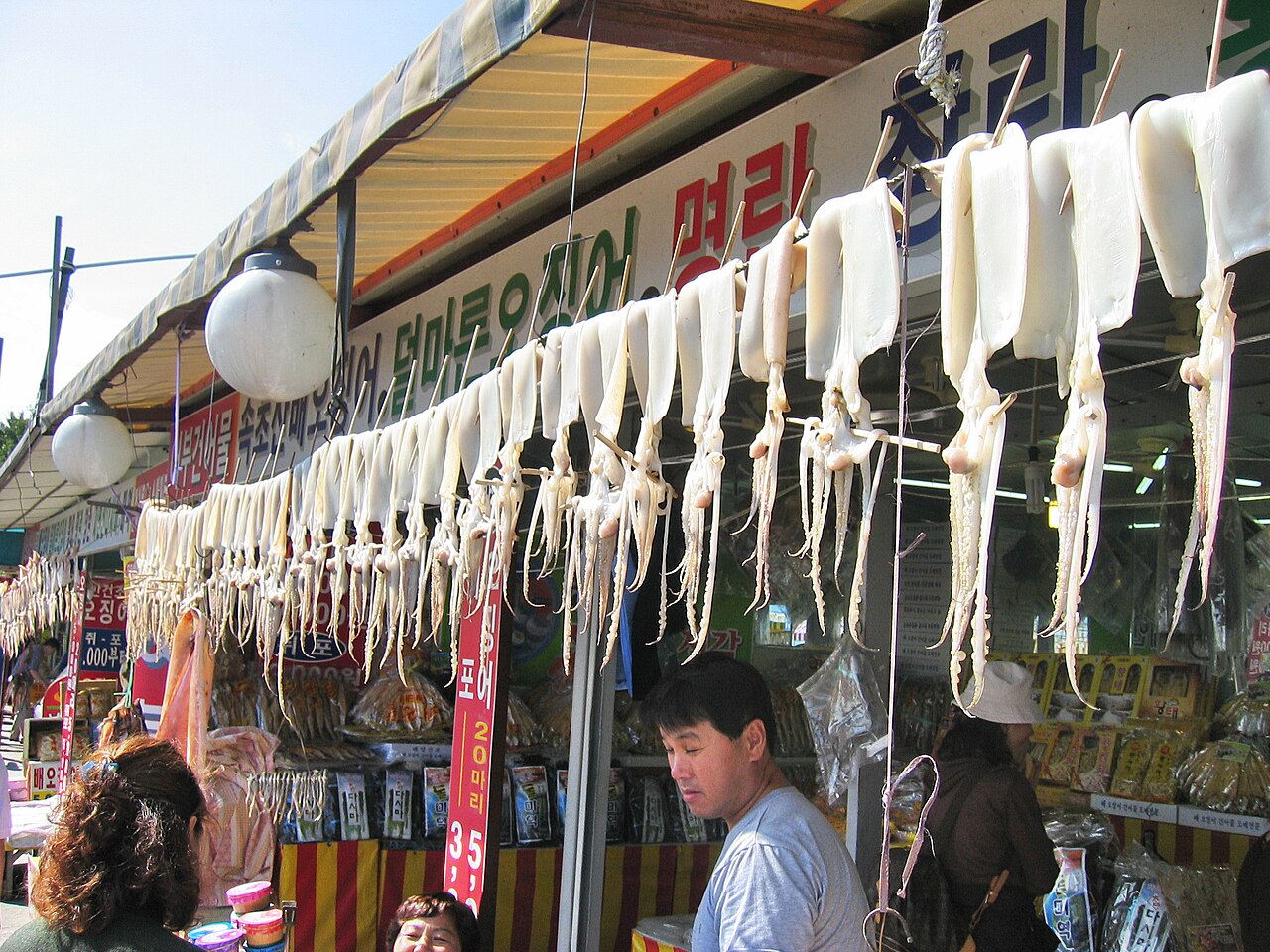
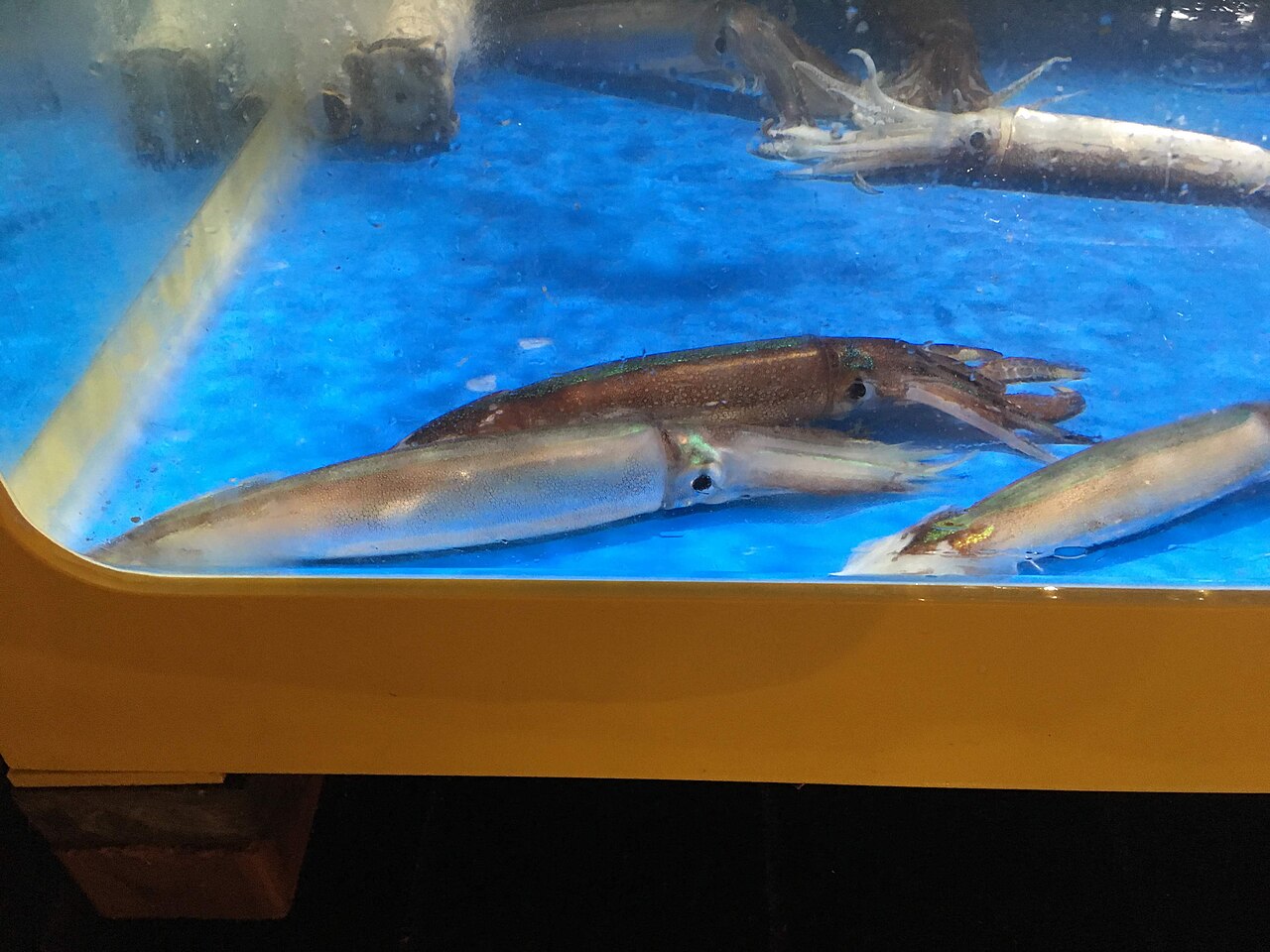
Sokcho Tourist & Fishery Market (속초 관광수산시장)
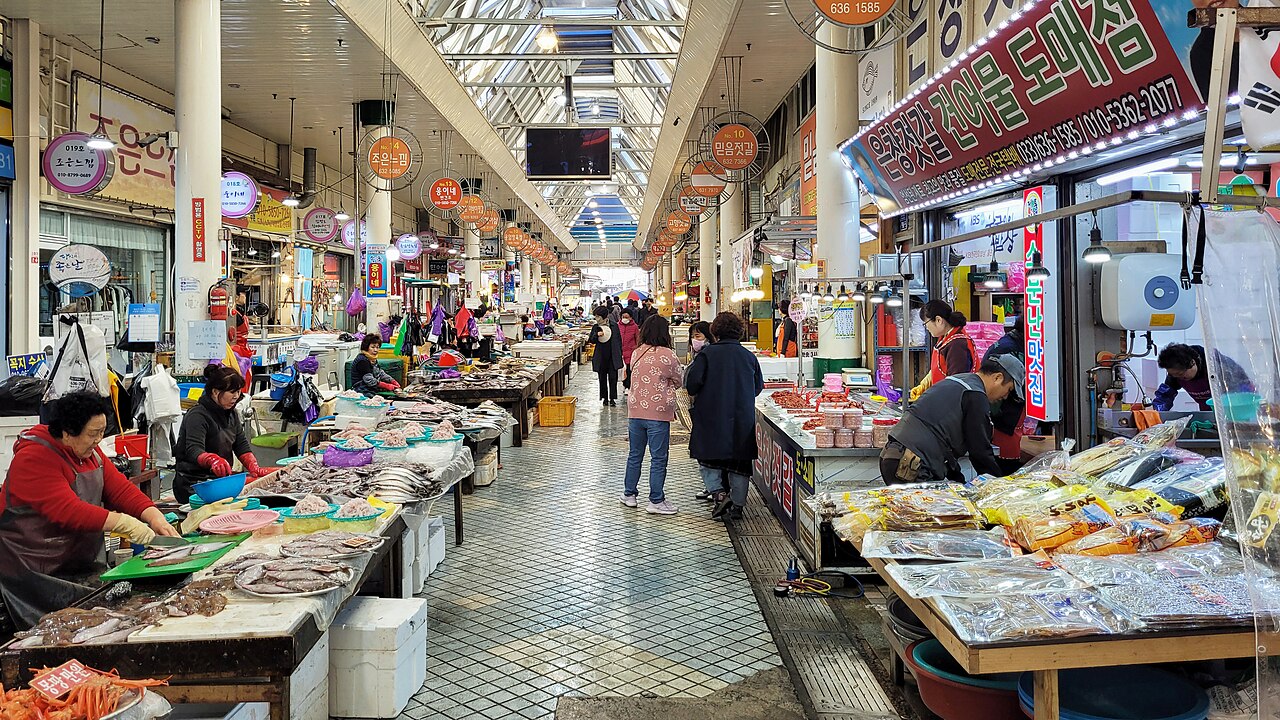
Opened in 1953, this is Sokcho's representative traditional market where you can enjoy fresh seafood and street foods like squid sundae and dak-gangjeong (sweet and spicy fried chicken). Famous shops like Manseok Dakgangjeong are gathered here, and the short walking distance allows for a rich experience even with a short stop.
Chilsung Shipbuilding (칠성조선소)
A complex cultural space cafe renovated from a shipyard that operated for 65 years since 1952. You can enjoy coffee on the outdoor terrace facing Cheongcho Lake. The interior, which preserves traces of the old industrial facility, boasts the most unique atmosphere in Sokcho.
Jeongdongjin Beach (정동진 해변)
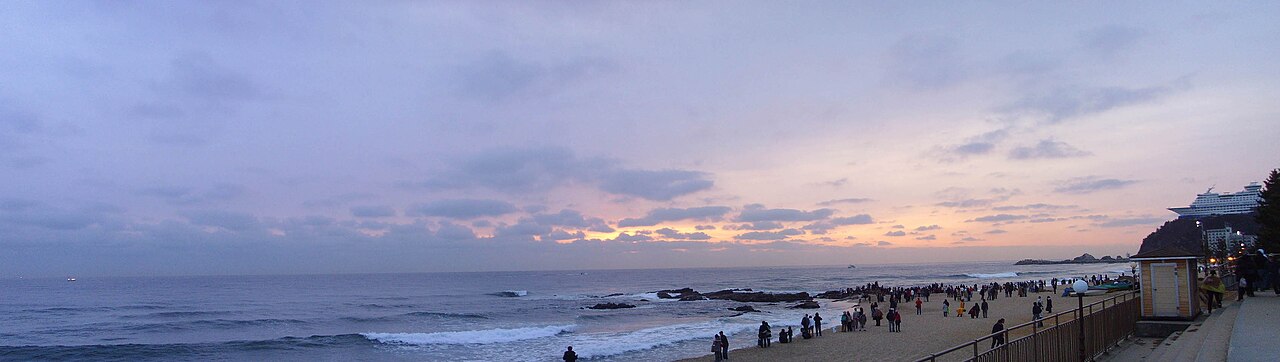
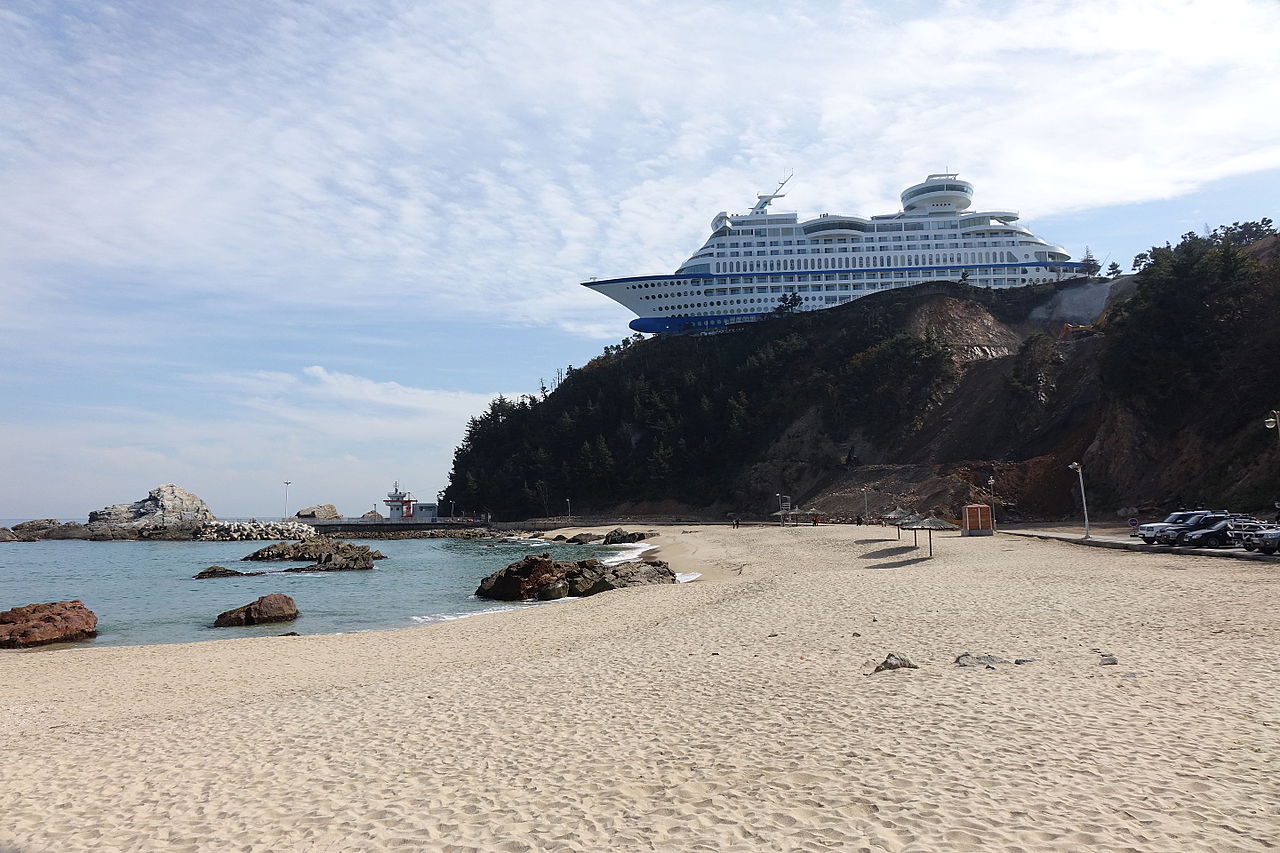
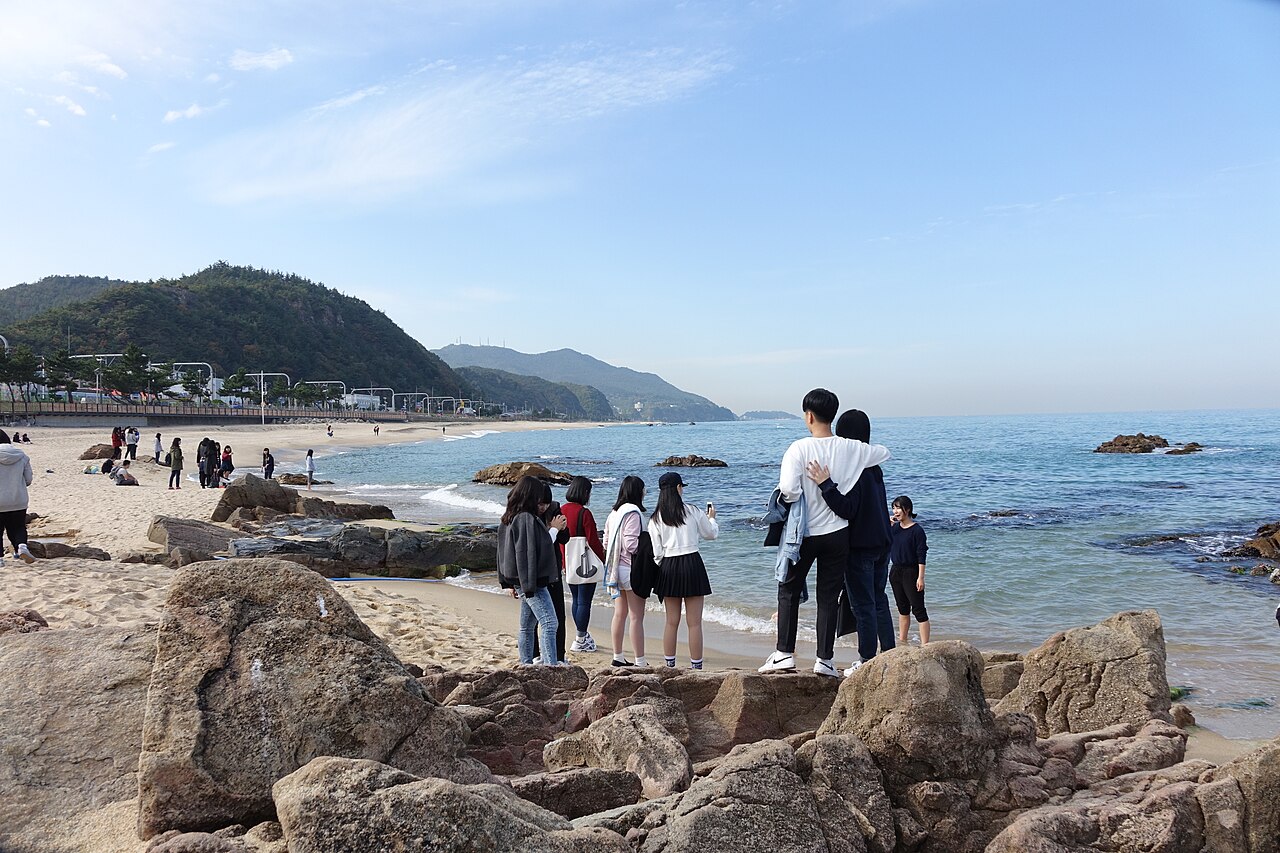
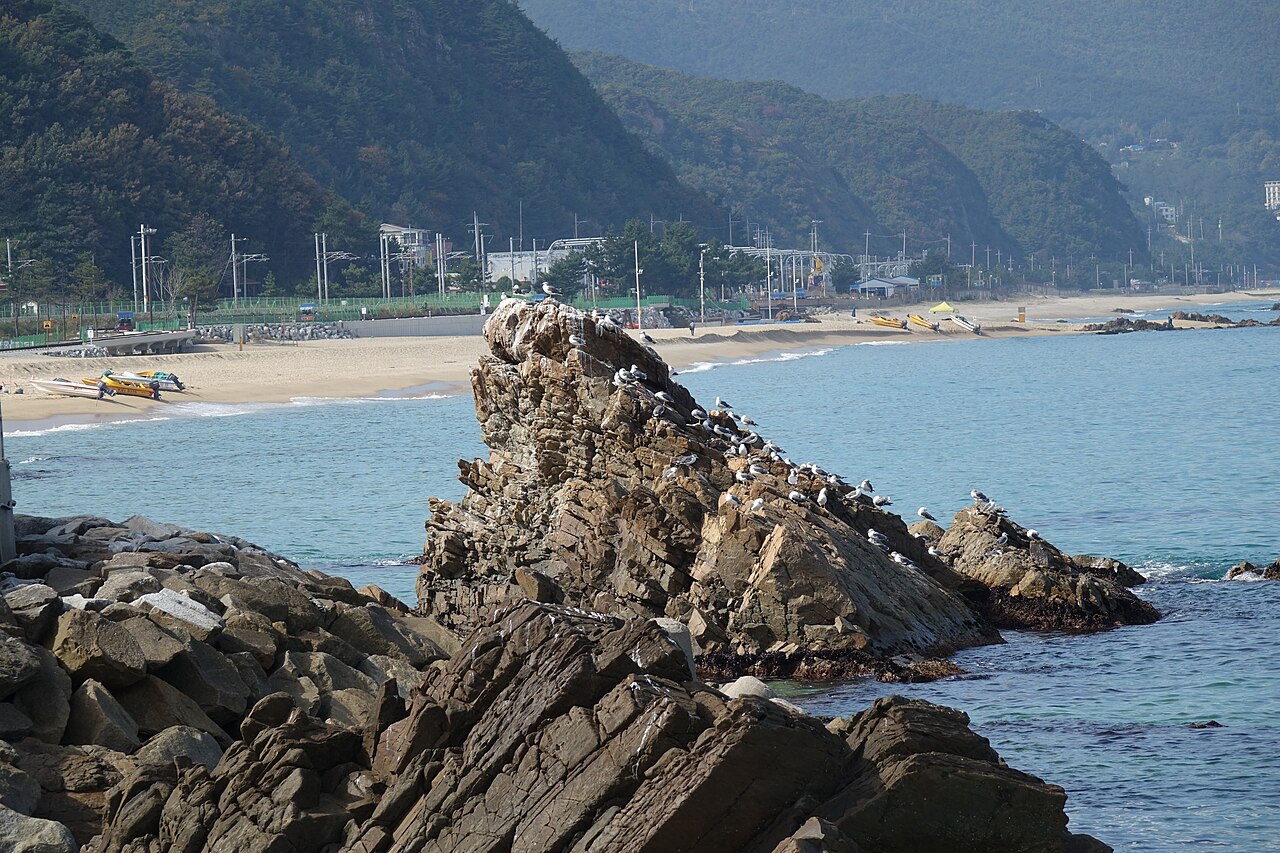
Korea's representative sunrise spot featuring Jeongdongjin Station, which is in the Guinness World Records as the train station closest to the sea, and Hourglass Park. It is highly symbolic, crowding with people on New Year's Day to watch the sunrise. Located in Gangneung, it is a coastal course close to Anmok Beach.
Jumunjin Port (주문진항)
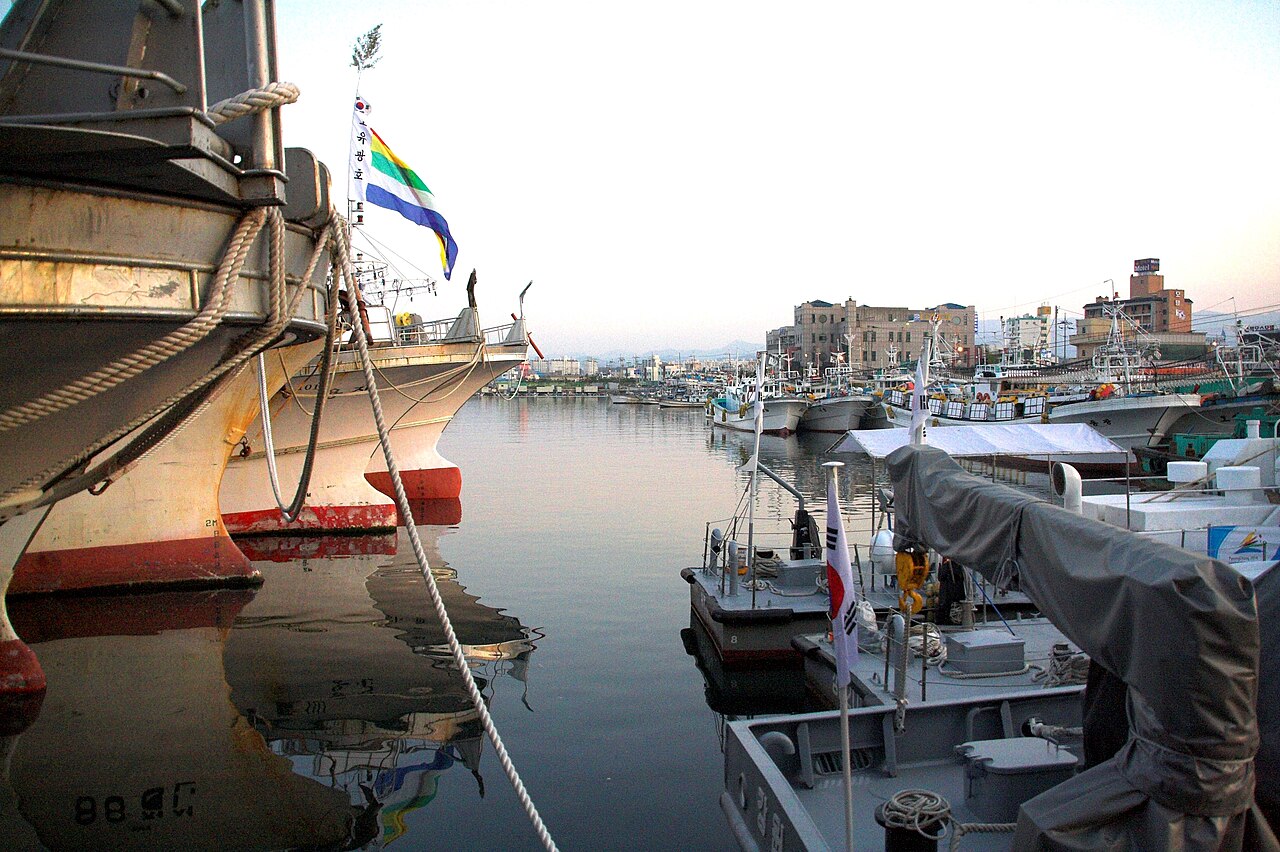
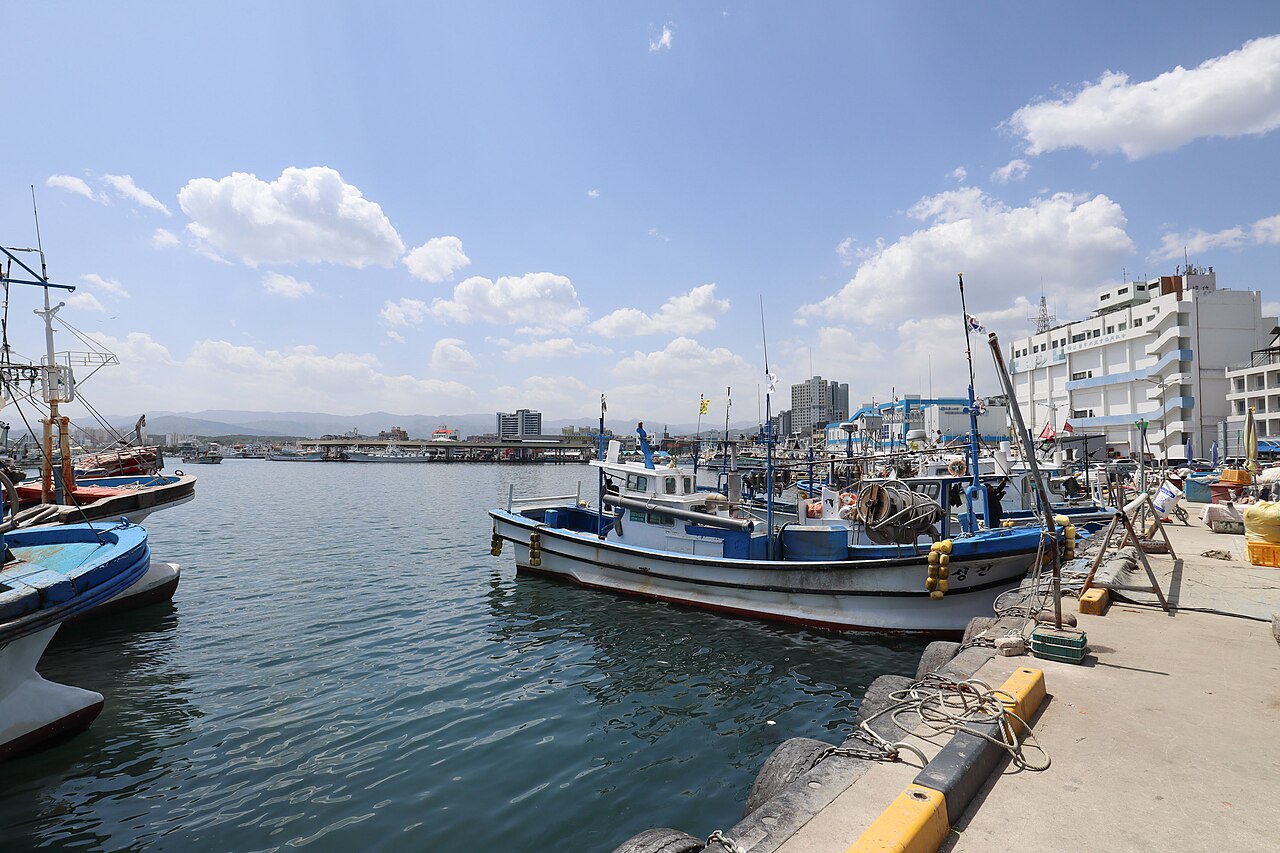
A representative fishing port on the East Sea at the northernmost part of Gangneung. It's famous for the raw fish market alley where you can cheaply taste squid and octopus caught at dawn. The breakwater filming location for the drama 'Goblin' and Jumunjin Lighthouse are nearby photo spots. You can experience the local atmosphere while haggling at the stalls.
Sokcho Lighthouse Observatory (속초등대전망대)
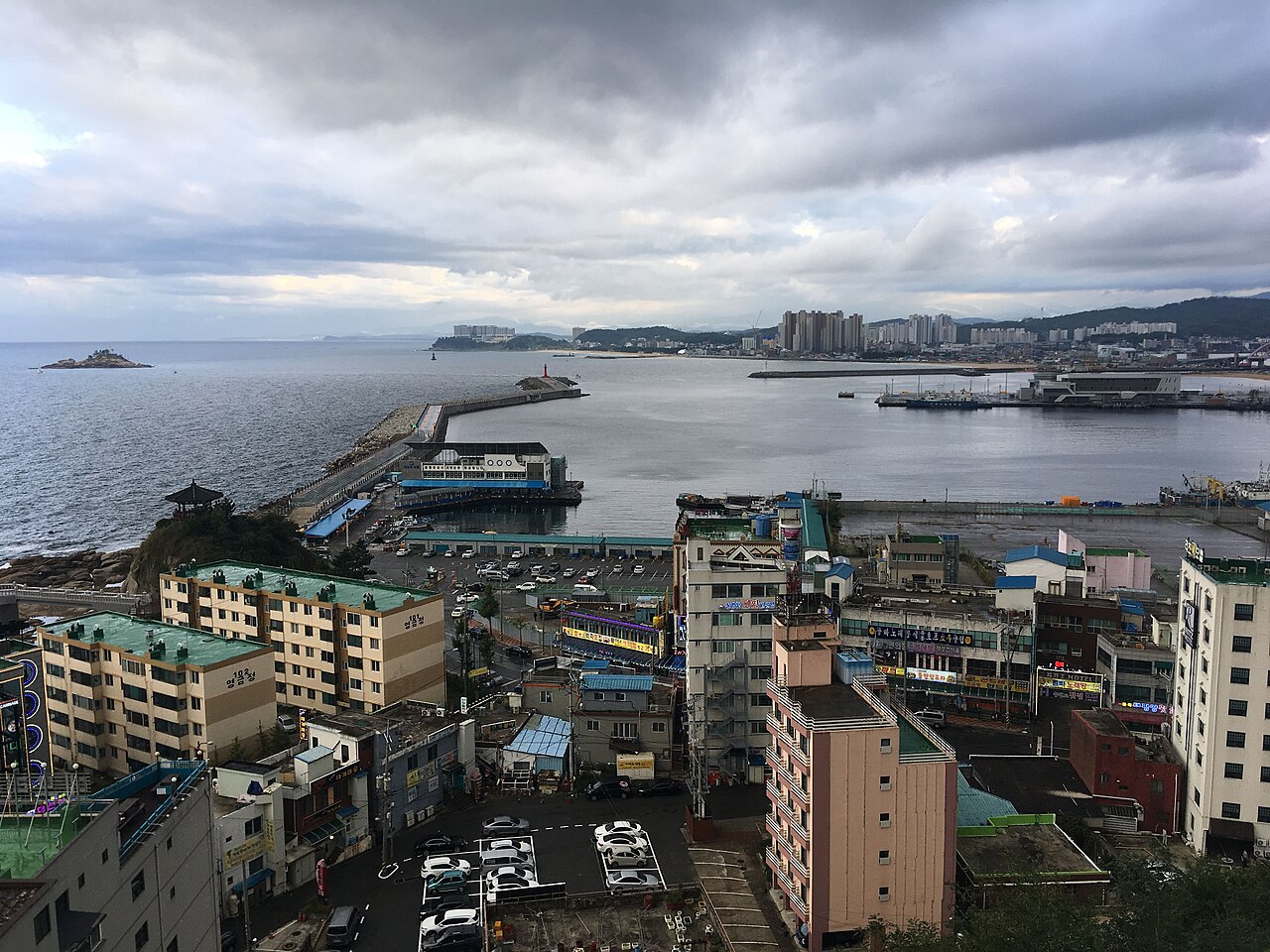
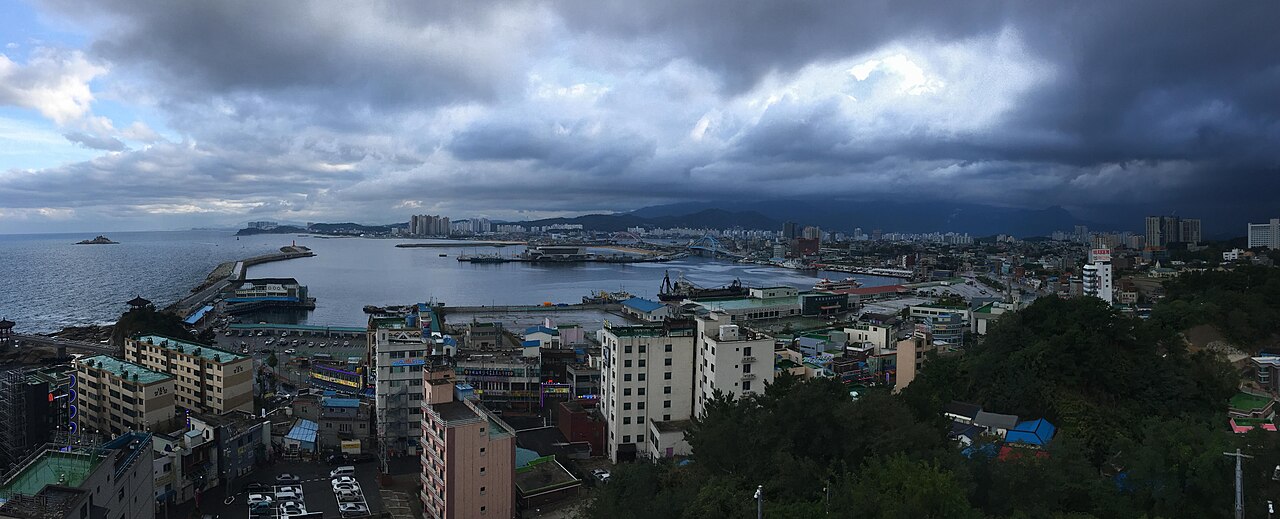
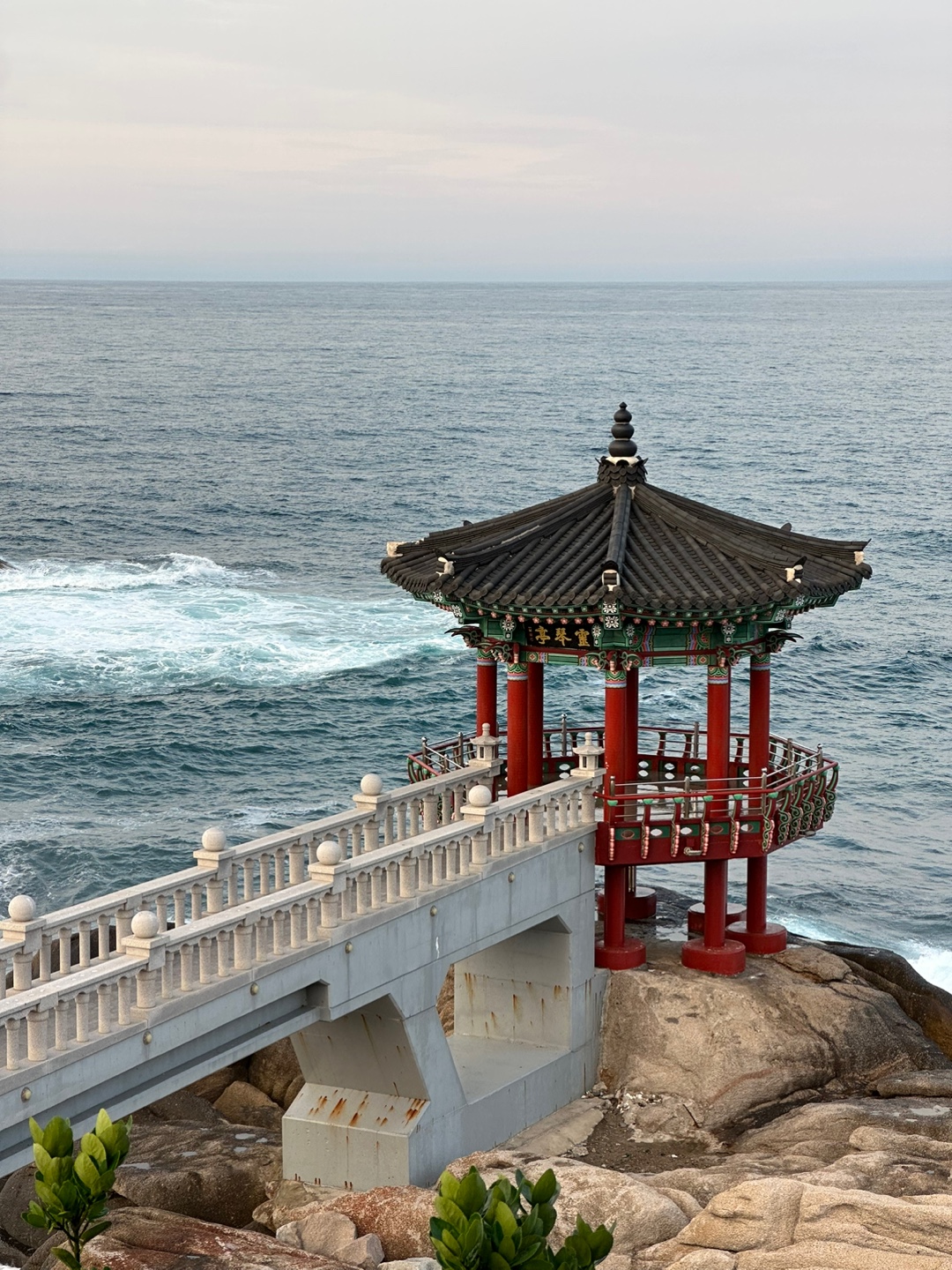
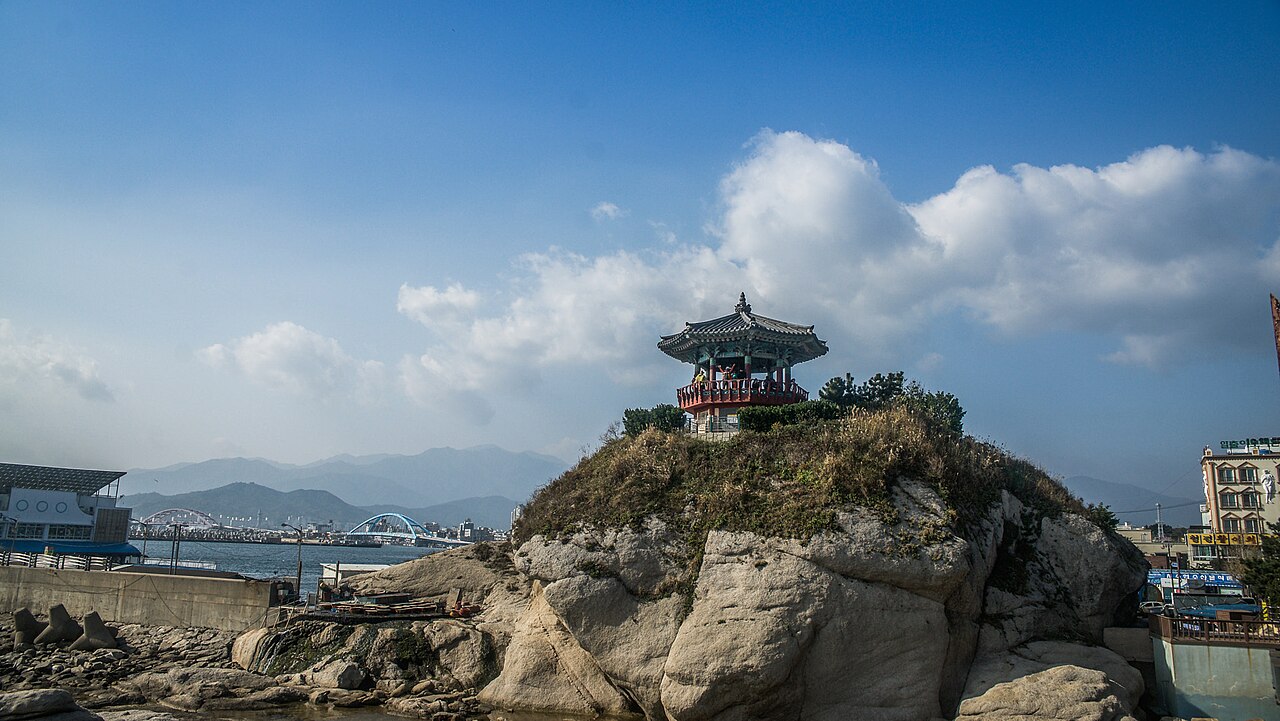
A lighthouse built in 1957 that was opened as an observatory. Climbing the wooden deck through the bamboo forest offers a view of the East Sea, Cheongcho Lake, and Seoraksan Mountain. Free telescopes are available inside, and the path leads to the nearby Yeonggeumjeong Pavilion, making it a popular sunrise spot.
Gyeongpodae Pavilion (경포대)
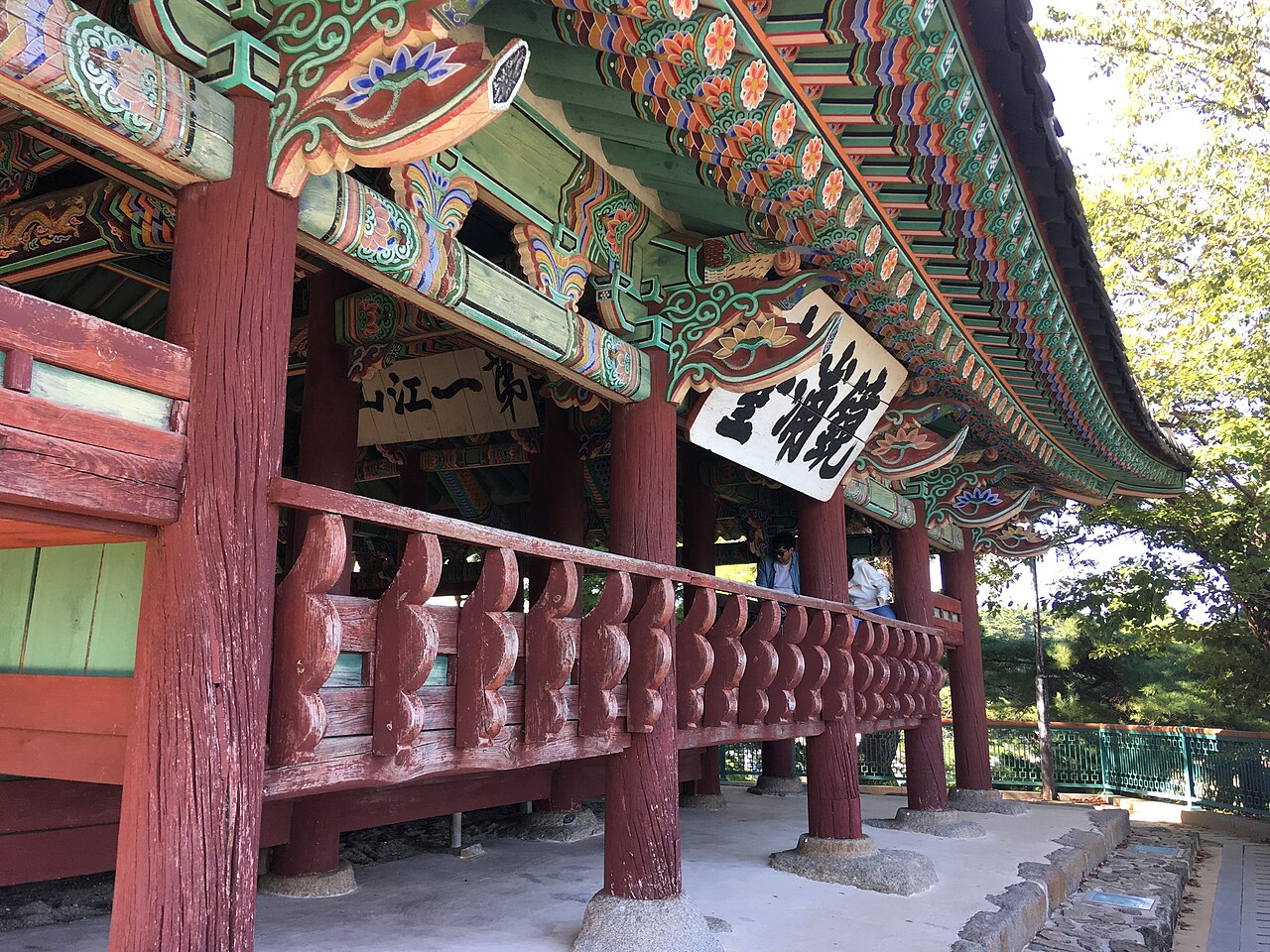
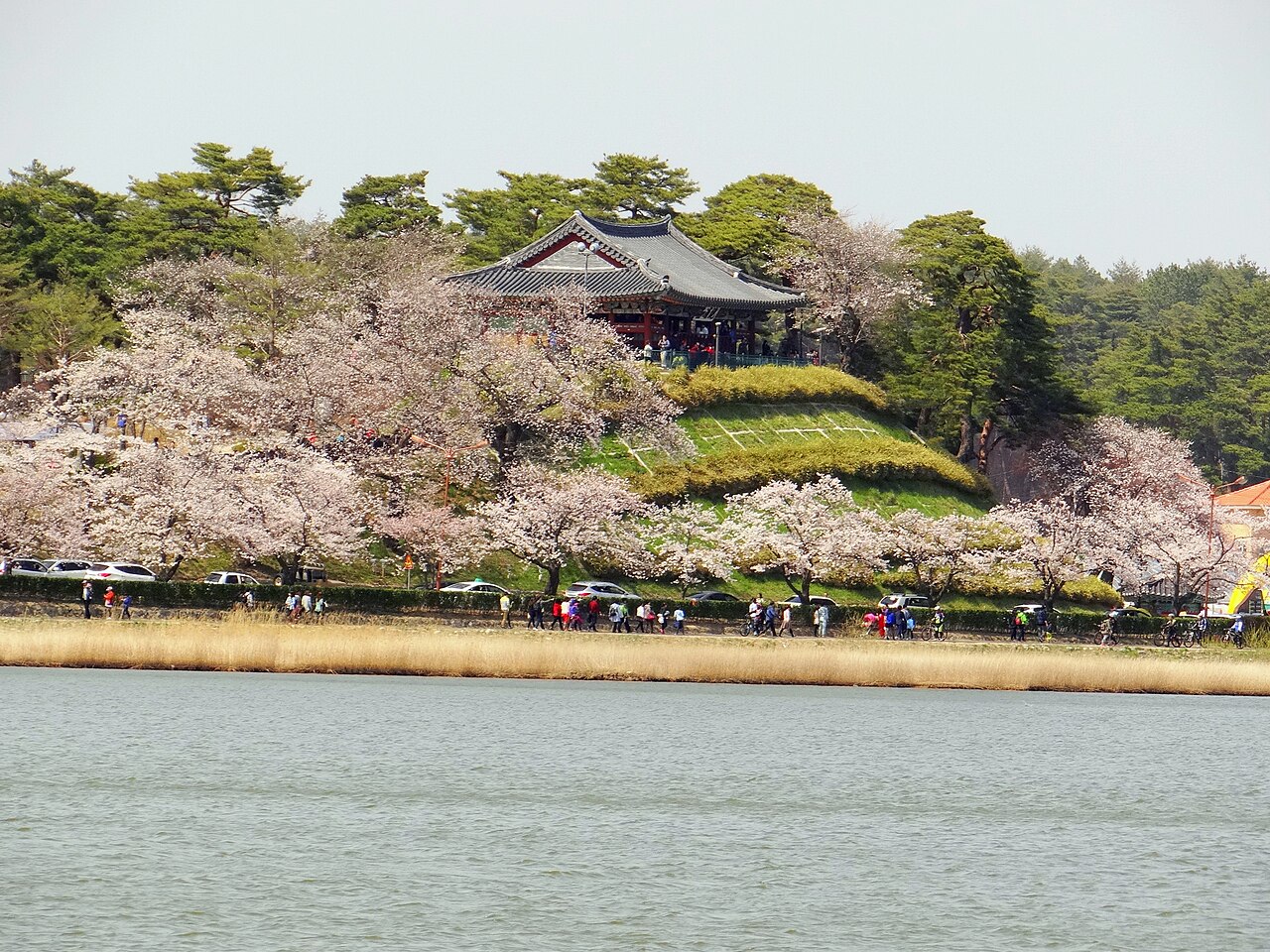
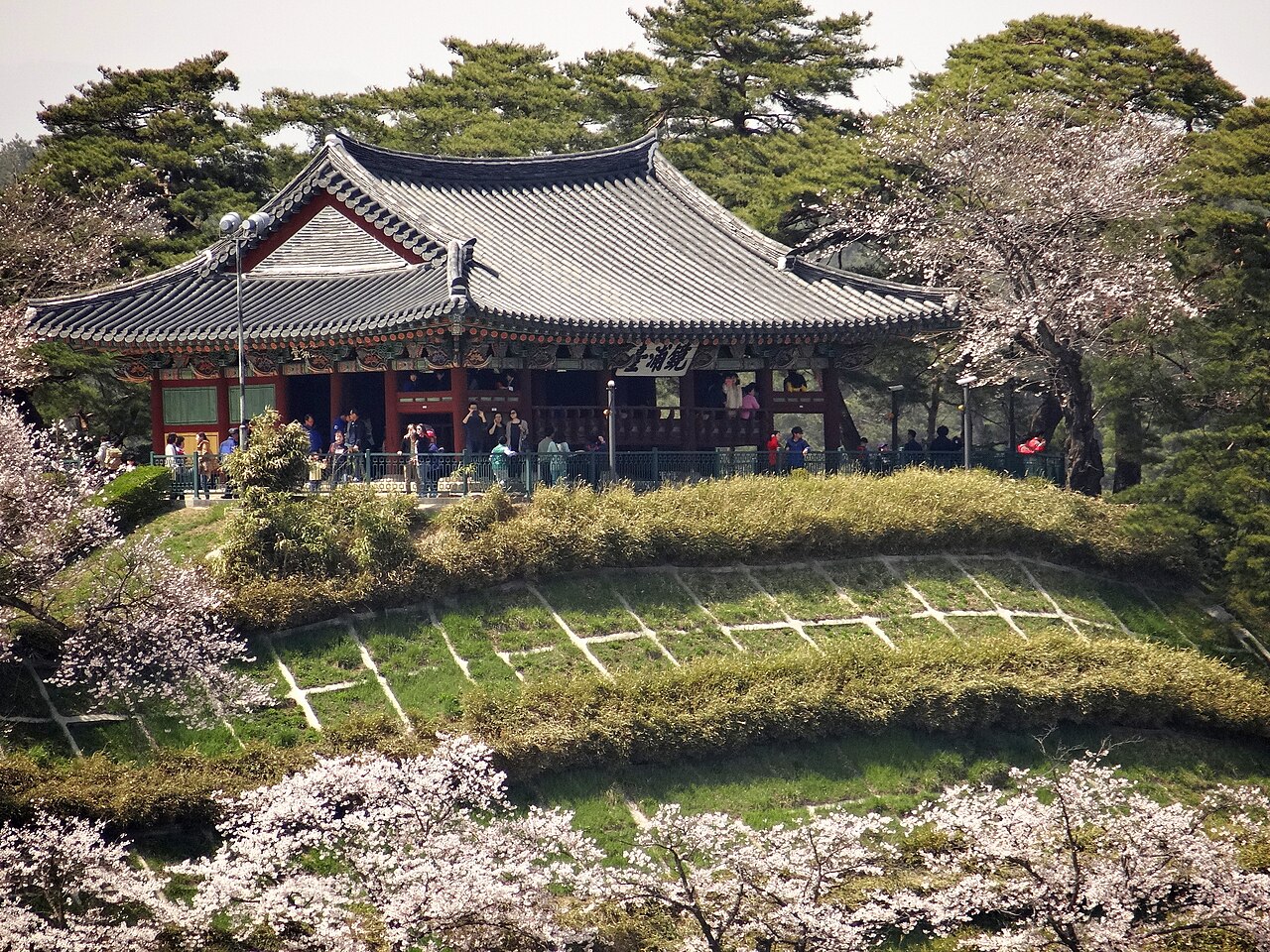
One of the 'Eight Scenic Views of Gwandong' (Gwandong Palgyeong). It overlooks the calm Gyeongpo Lake. Visits during spring cherry blossoms or sunset are particularly beautiful. A 4.3km circuit path around the lake is popular. It's a short walk from Gyeongpo Beach, allowing you to enjoy both the sea and the lake.
Naksansa Temple (낙산사)
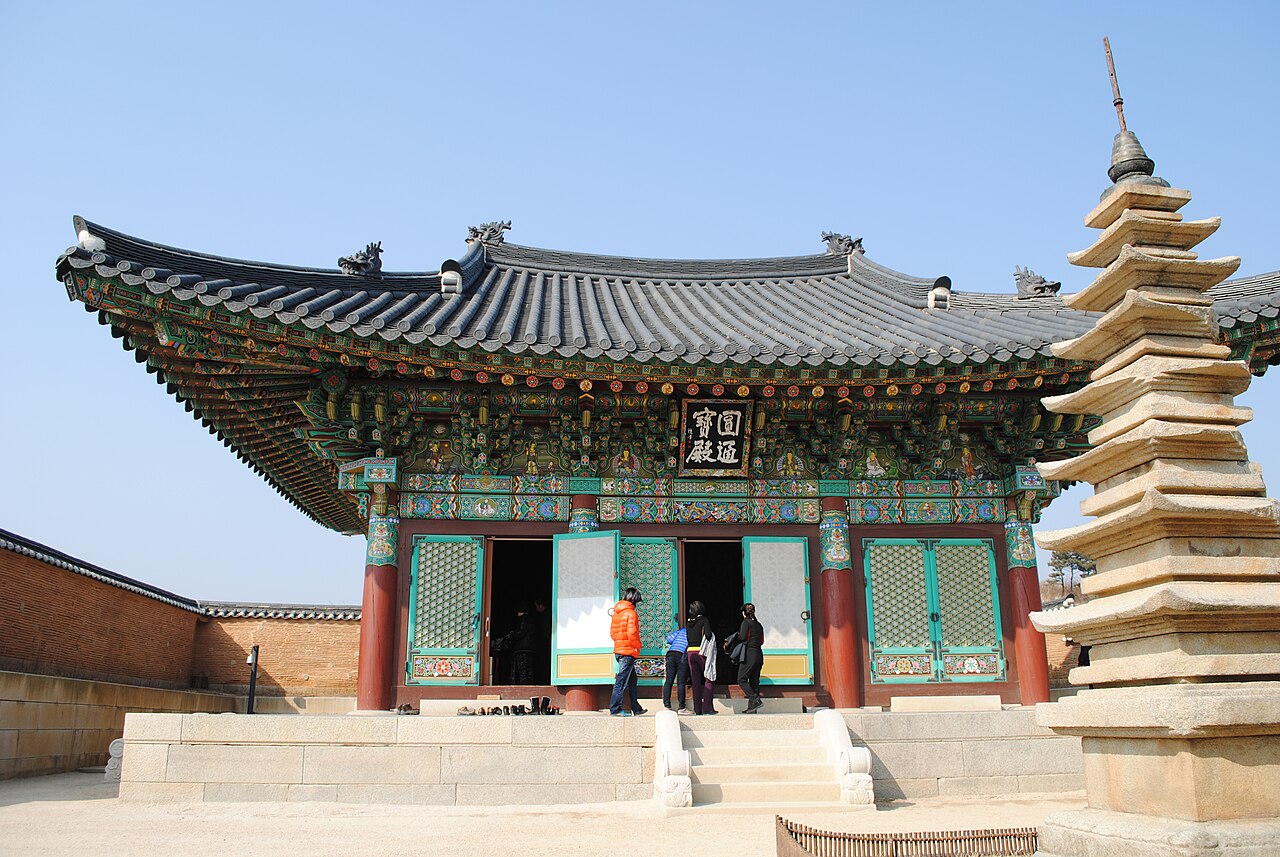
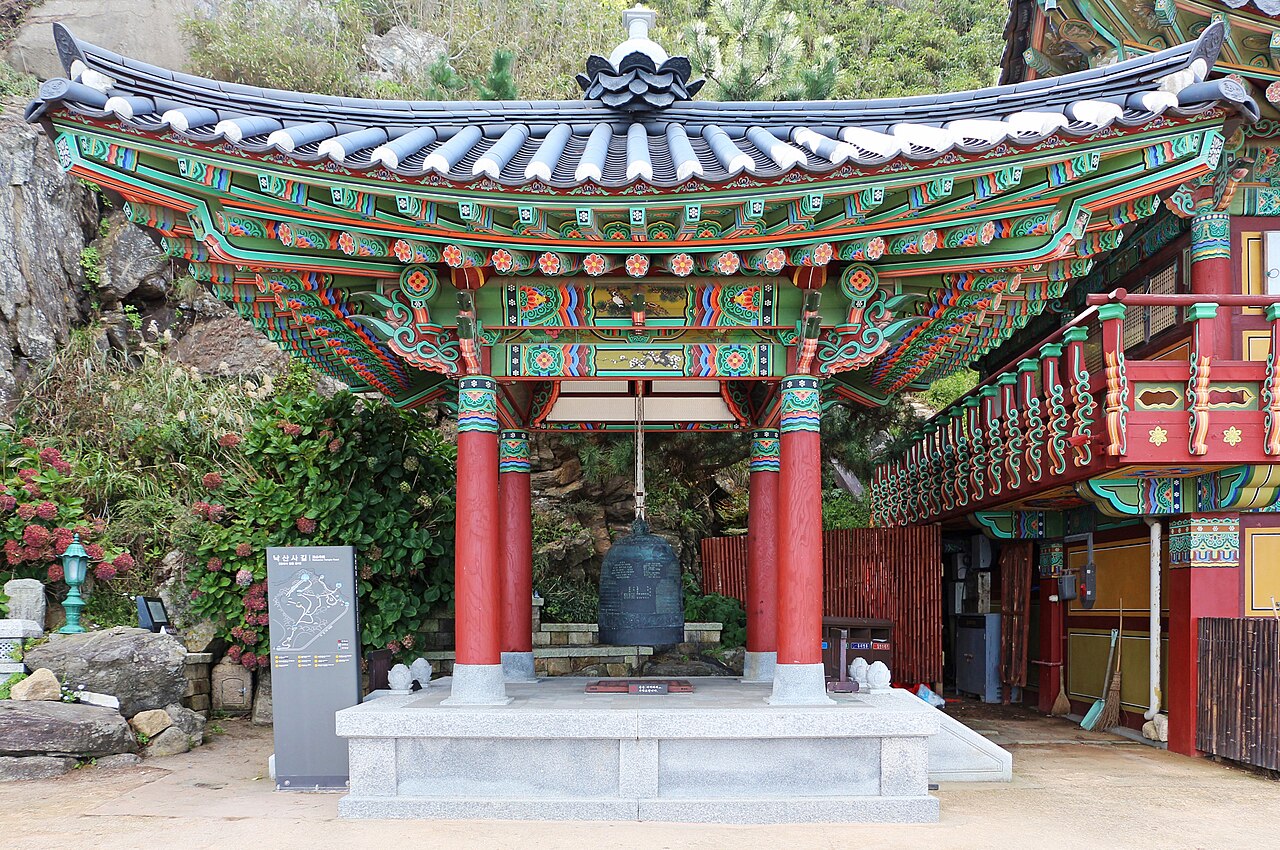
A thousand-year-old temple founded in 671 on a cliff overlooking the East Sea. Key sights include the Haesu Gwaneum Statue facing the sea and the Hongnyeonam Hermitage on the cliff. Rebuilt after a 2005 forest fire. As it's a functioning temple, modest clothing and quiet behavior are required.
Daegwallyeong Sheep Ranch (대관령 양떼목장)
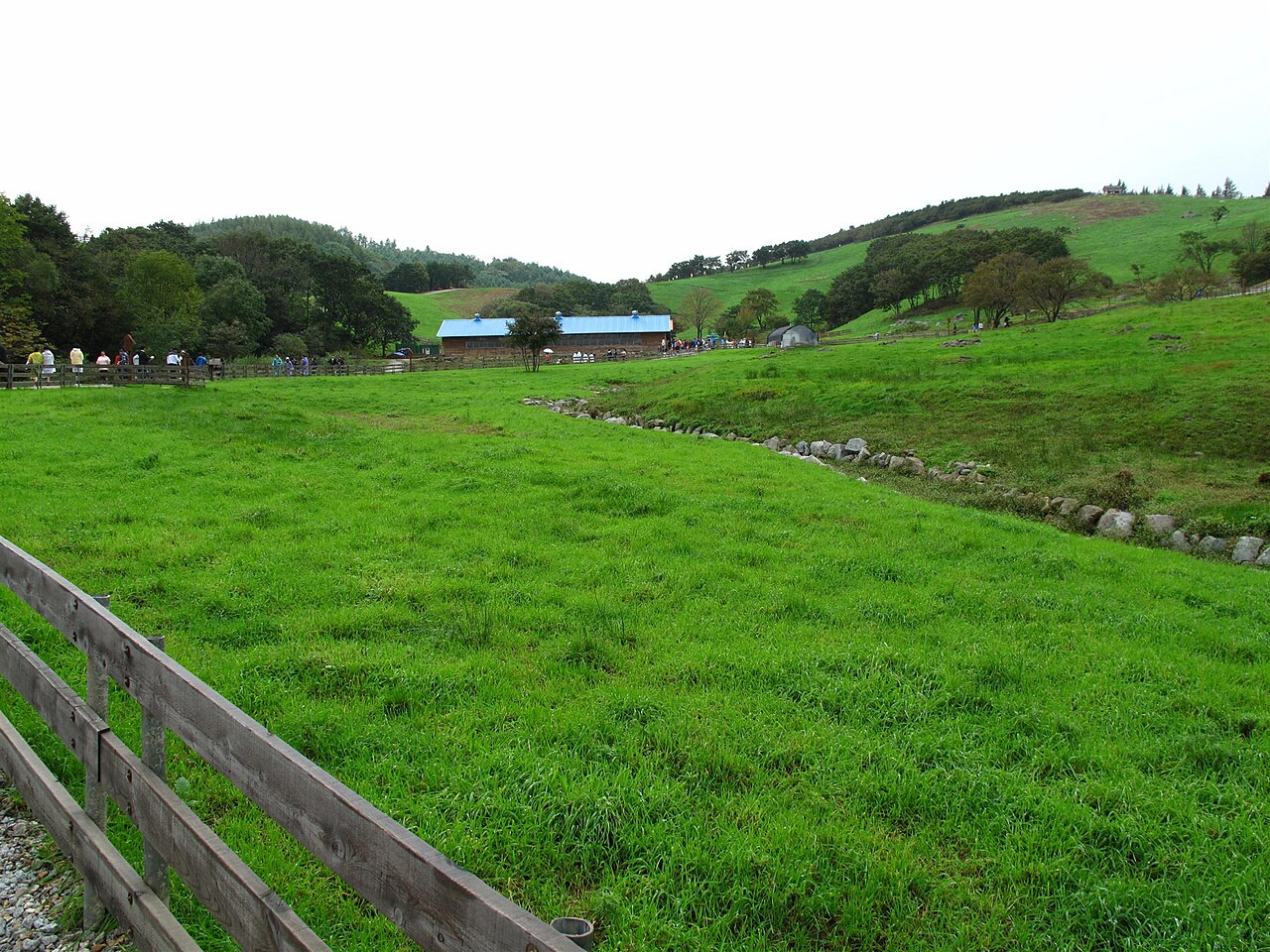
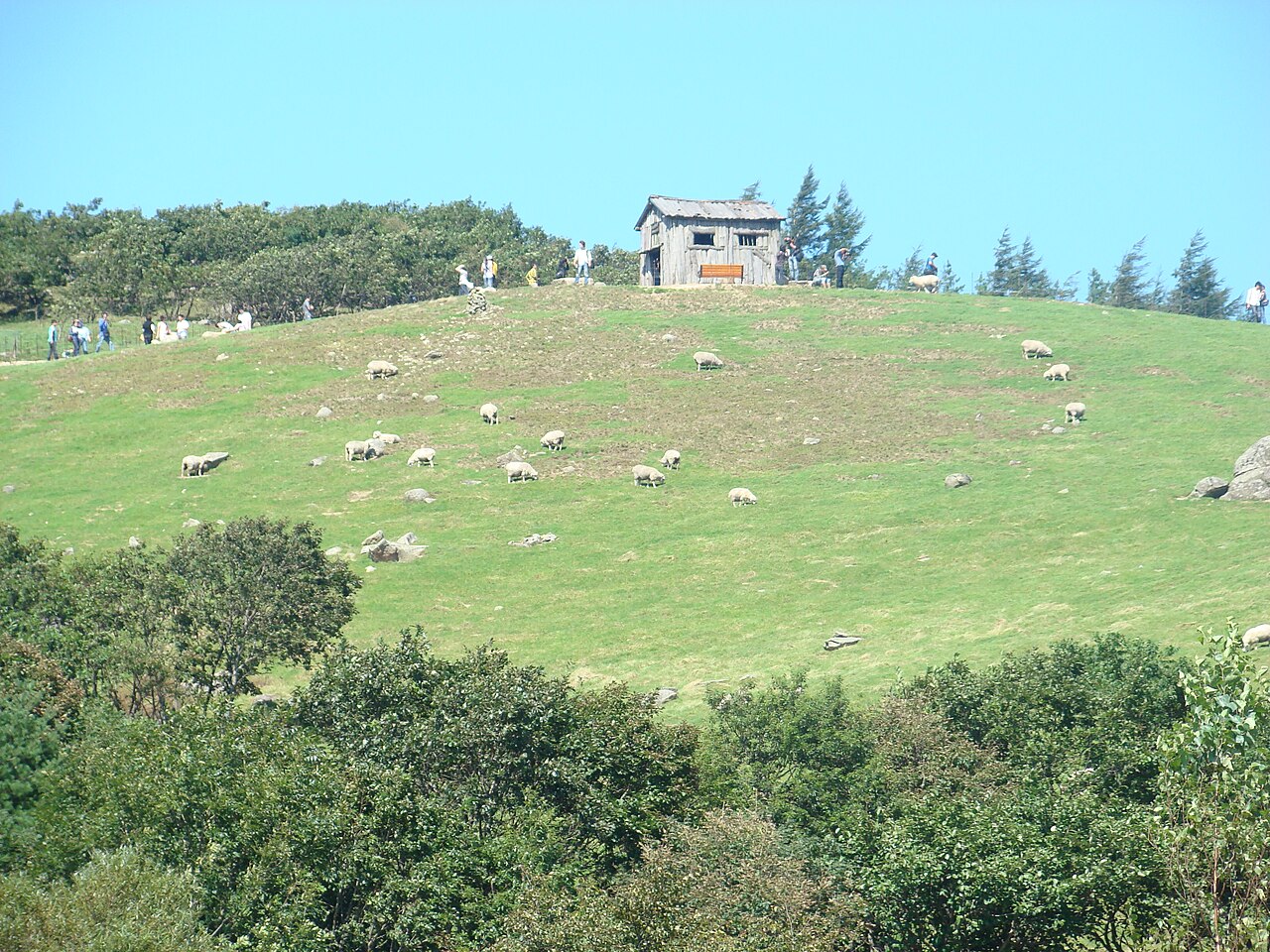
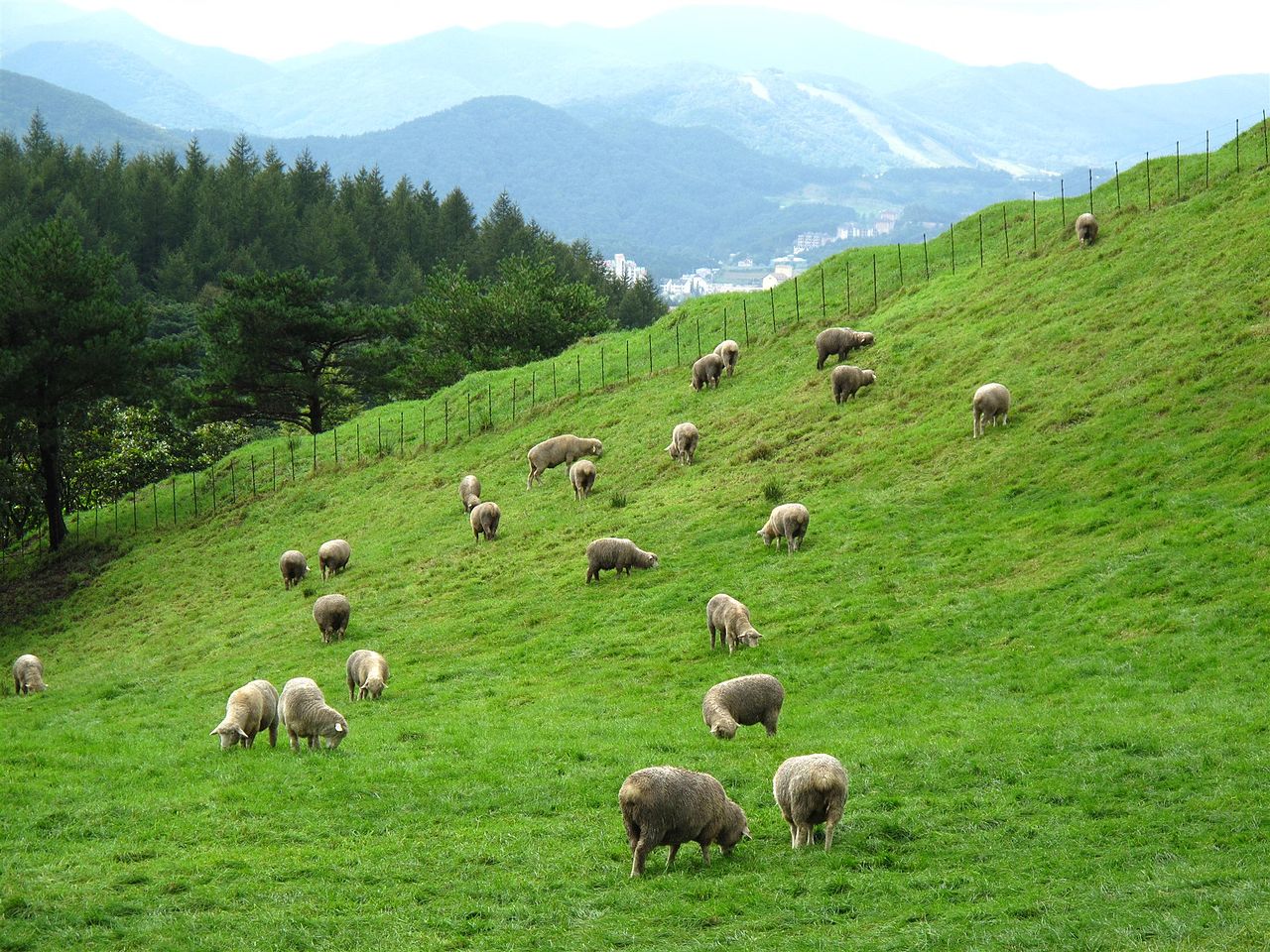
A wide meadow ranch at 850m above sea level, famous for its exotic scenery of green hills, wind turbines, and grazing sheep. It offers different charms in every season, from lush green in summer to white snow in winter. You can experience feeding hay to the sheep along the ranch path.